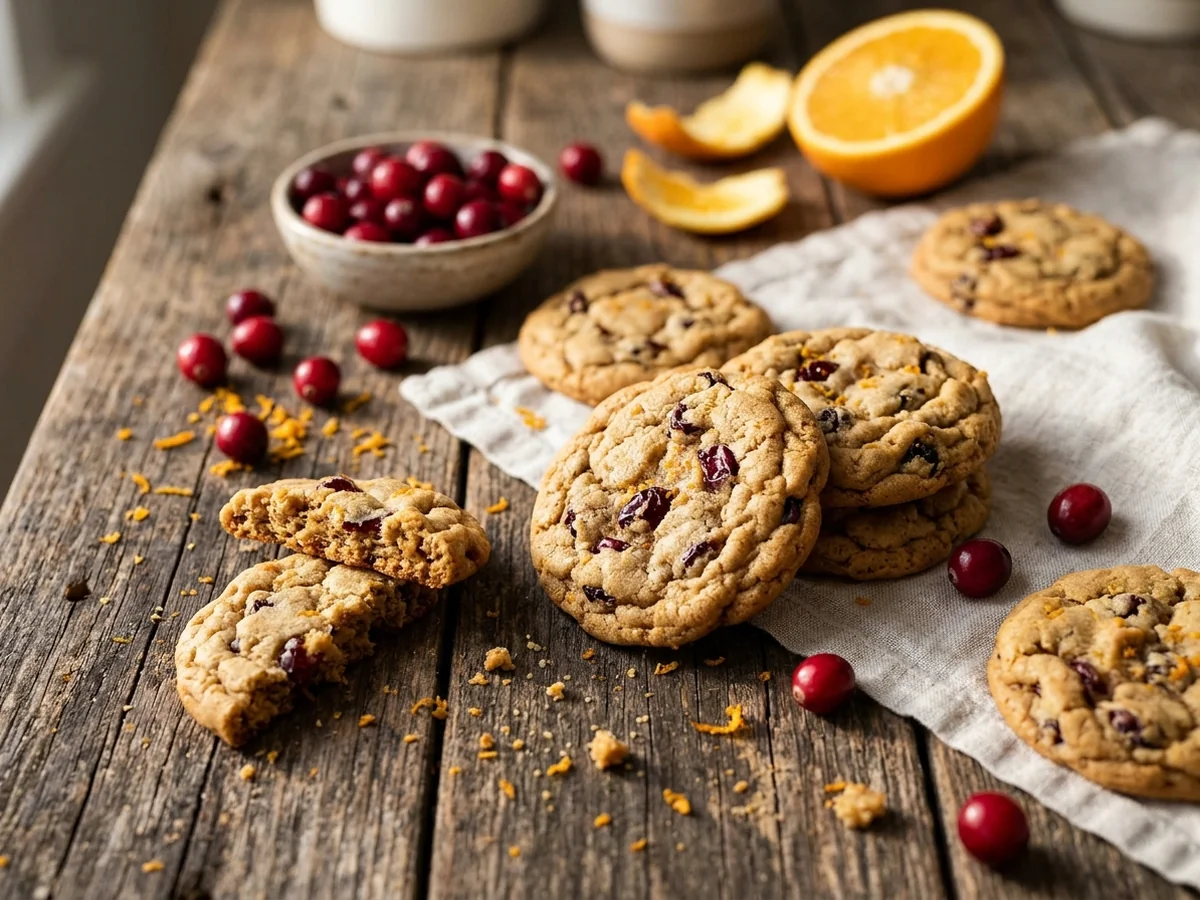
Cranberry Orange Cookies Recipe
Introduction
You can prepare delicious cranberry orange cookies by creaming together butter and sugars before folding in fresh fruit and citrus zest. This recipe outlines the steps to achieve the perfect balance of tart cranberries and bright orange flavor in every bite.
This guide covers the essential ingredients and precise preparation techniques needed for success, including mixing the base dough with all-purpose flour, baking soda, and salt. You will find specific instructions for baking times, cooling, and how to apply a simple glaze made from confectioners sugar, orange juice, and orange zest. The following sections provide clear directions on managing dough, baking at the proper temperature, and storage methods to keep your cookies fresh for as long as possible.
A Perfect Balance of Citrus and Tart Fruit
The combination of bright citrus and tart cranberries creates a flavor profile that distinguishes these seasonal treats. The natural acidity of the fruit cuts through the sweetness of the dough, resulting in a balanced bite that feels appropriate for autumn and winter gatherings. This profile offers a refreshing departure from heavier, spice-laden holiday desserts, making these cookies a standout addition to any seasonal spread.
Building the Perfect Base
Success starts with foundational techniques that remain reliable for all skill levels. According to research from Dickinson College, the process begins with the creaming of butter, white sugar, and brown sugar until smooth, which ensures a consistent texture every time. The dry mixture, which consists of all-purpose flour, baking soda, and salt, is then incorporated to form the base. Using a citrus zester to harvest fresh orange zest ensures the oils are vibrant and aromatic, providing the necessary contrast to the tartness of the berries. When preparing your workspace, ensure you use ungreased cookie sheets or parchment paper to prevent sticking.
Baking and Preparation Standards
Consistency is vital when working with fruit-heavy doughs. As noted by the University of Scranton, the dough should be dropped onto ungreased cookie sheets 2 inches apart to allow for proper airflow during the expansion process. While individual oven calibration varies, common guidance suggests a baking temperature of 375 degrees Fahrenheit or 190 degrees Celsius. Bake time for these cookies is strictly 12 to 14 minutes. To achieve the best results, look for edges that are set and golden while the centers remain slightly soft.
| Storage Method | Typical Guidance |
|---|---|
| Room Temperature | 3 to 5 days in an airtight container |
| Freezing | Both baked and unbaked dough can be frozen |
Finishing and Storage
Once cooled, many bakers choose to enhance the citrus notes with a simple finish. While methods vary, common glaze ingredients consist of confectioners sugar, orange juice, and orange zest. Whisk these together until smooth and drizzle over the cooled cookies. If you are baking in advance, remember that both baked and unbaked orange cranberry cookie dough can be frozen successfully for later use. This versatility makes the recipe an efficient choice for busy holiday schedules, allowing you to prepare components ahead of time without sacrificing quality or flavor. By following these foundational techniques, home bakers can achieve professional results without the need for complex equipment or advanced training.
Cranberry Orange Cookie Ingredients
The foundation of successful cranberry orange cookies relies on a precise balance between dry structural elements and a rich, creamed base. Combining these components correctly ensures a texture that is tender yet sturdy enough to support the fruit mix-ins.
To prepare the dough properly, you should gather the essential items listed below:
- The dry mixture consists of all-purpose flour, baking soda, and salt.
- Creaming butter, white sugar, and brown sugar until smooth is the first step for the base dough.
- Fresh cranberries provide a tart contrast to the sweetness of the sugars.
- Orange zest adds a bright, aromatic citrus note that cuts through the richness of the butter.
- Incorporating these ingredients creates a balanced dough where the acidity of the fruit complements the citrus oil.
The creaming process is essential because it aerates the butter, which helps the cookies rise. By beating the butter and sugars together until the mixture is light and smooth, you create a stable foundation that prevents the dough from becoming too dense. This mechanical action is what gives the finished treats their signature soft texture.
Fresh cranberries and orange zest serve as the primary flavor drivers. When using cranberry orange cookies with fresh cranberries, the moisture content from the berries interacts with the dry ingredients during the bake. The zest, meanwhile, contains essential oils that infuse the entire dough with fragrance. Because cranberries are naturally tart, the addition of orange zest helps bridge the gap between the sharpness of the fruit and the sweet, buttery notes of the cookie base.
Always ensure your zest is finely grated to distribute the flavor evenly throughout the batch. If you leave the pieces too large, the intensity of the citrus can become overwhelming in specific bites. By whisking your dry ingredients thoroughly before adding them to the creamed butter, you ensure that the baking soda is evenly dispersed, which allows for a uniform rise across every cookie on your tray.
How to Bake Cranberry Cookies
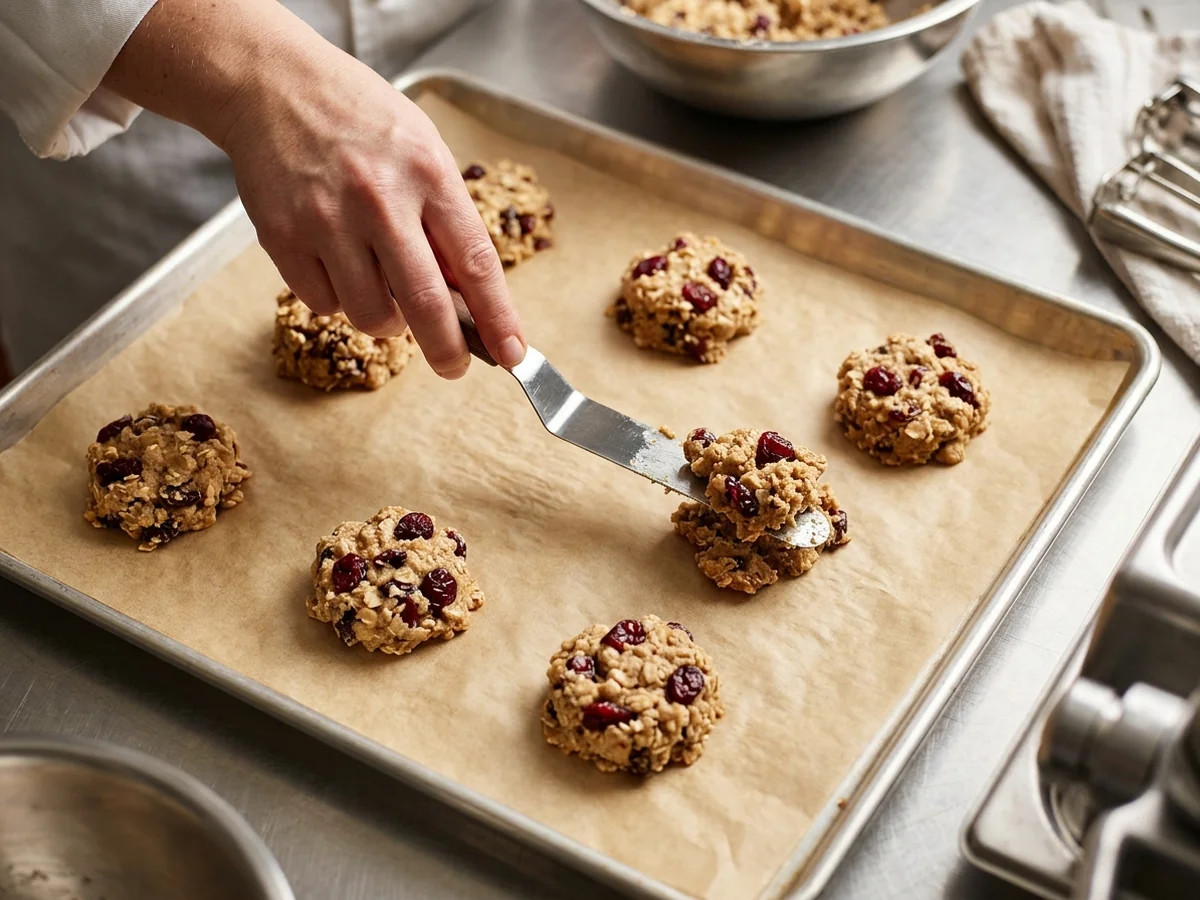
Creating consistent, high-quality cranberry orange cookies relies on a methodical approach to mixing and temperature control. Start by creaming the butter with white and brown sugar until the texture is completely smooth. According to research from Dickinson College, this initial step is essential for creating the base structure of the dough. Once the fats and sugars are combined, incorporate the dry ingredients, which include all-purpose flour, baking soda, and salt. Gently folding in the citrus elements and fruit last prevents the dough from becoming overworked.
Achieving the Perfect Bake
Proper preparation of your baking surface ensures even cooking. As verified by documentation from the University of Scranton, you should drop portions of the dough onto ungreased cookie sheets, maintaining a distance of 2 inches between each mound. This spacing is critical because it allows for proper air circulation during the heat-up phase. If you notice your dough feels overly soft or sticky, chilling it in the refrigerator for 30 minutes before portioning makes the handling process significantly easier.
For the baking process, common practice suggests a temperature of 375 degrees Fahrenheit or 190 degrees Celsius. Based on the University of Scranton guidelines, the bake time for these cookies is typically 12 to 14 minutes. Removing the sheets from the oven promptly and allowing the cookies to rest on the hot pan for a few minutes helps them set before you transfer them to a wire rack to cool completely.
Storage and Preparation Tips
Managing your leftovers or preparing ahead is straightforward with proper storage techniques. You can keep baked cookies in an airtight container at room temperature for three to five days as a general guide. If you prefer to bake in batches, you can freeze both baked cookies and unbaked dough for later use.
For those interested in adding a final touch, a simple glaze can be prepared using common household staples. While recipes vary, typical glaze ingredients include confectioners sugar, orange juice, and fresh orange zest to brighten the flavor profile of the finished treat.
| Action | Guideline |
|---|---|
| Standard Oven Temperature | 375 degrees Fahrenheit |
| Standard Bake Time | 12 to 14 minutes |
| Room Temperature Storage | 3 to 5 days |
| Dough Spacing | 2 inches apart |
When using fresh cranberries, ensure they are washed and dried thoroughly before folding them into the dough to prevent excess moisture. If you are using a citrus zester, aim for fine strips to ensure the orange flavor distributes evenly throughout the batch without creating large, bitter pockets.
Baking Your Cranberry Orange Cookies
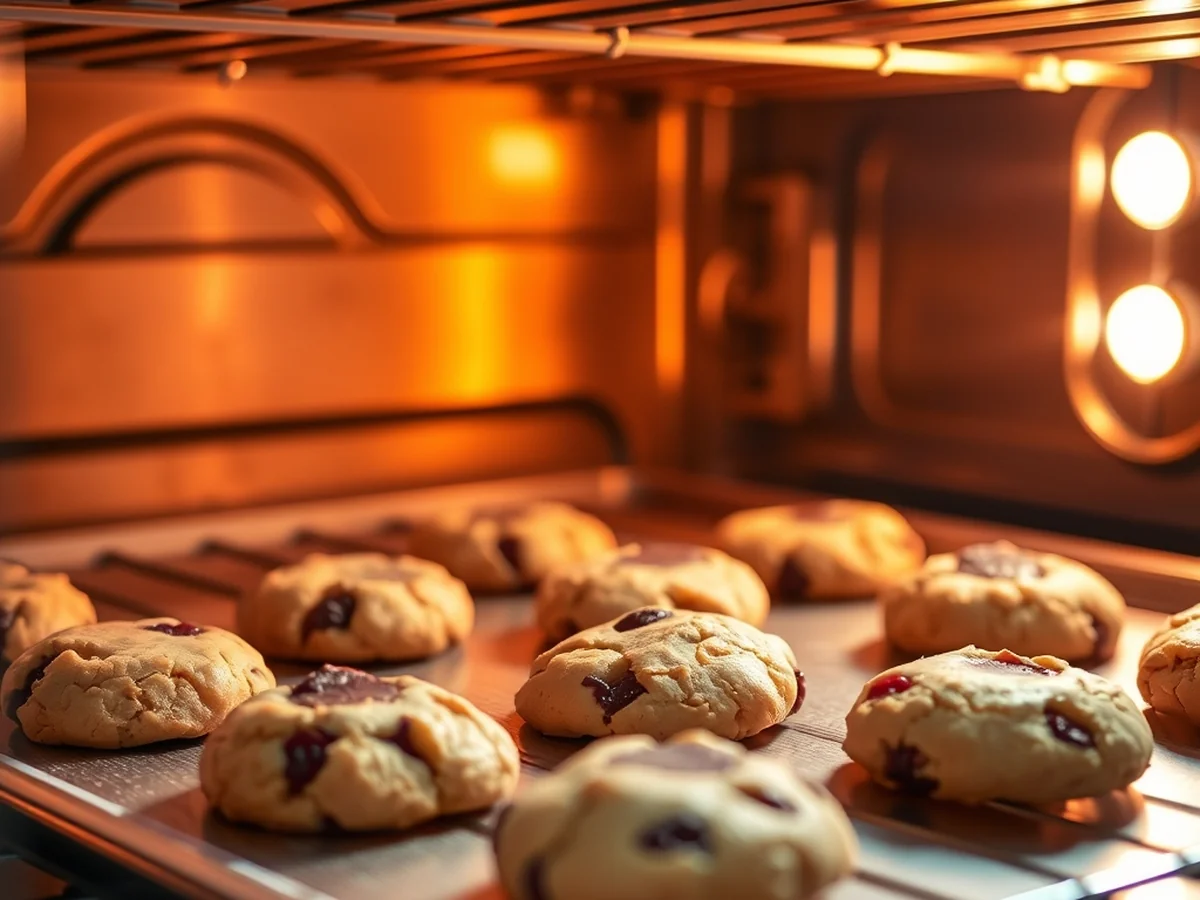
Achieving the right texture requires attention to both temperature and timing. Common guidance suggests a standard oven temperature of 375 degrees Fahrenheit or 190 degrees Celsius. Maintaining this heat ensures the butter and leavening agents react correctly to provide a consistent rise and structure.
Preparation and Placement
Proper spacing is essential for uniform results. According to the University of Scranton, the dough should be dropped onto ungreased cookie sheets 2 inches apart. This distance allows for even airflow, which is critical for the items to spread properly without merging into one another. If you prefer a faster cleanup, lining your sheets with parchment paper is a suitable alternative that does not interfere with the baking process.
Monitoring the Bake
The bake time for these cookies is 12 to 14 minutes. Because oven calibration can vary, it is helpful to use visual cues to determine when they are finished. Look for the following indicators:
- The edges appear set and have turned a light golden brown.
- The centers look matte or dry rather than shiny and raw.
- The surface shows small cracks, suggesting the dough has finished expanding.
Avoid the common mistake of overbaking, as the treats continue to firm up from residual heat after being removed from the oven. If you prefer a soft texture, pulling them out the moment they meet these visual standards is key. Transfer the finished batches to a wire rack immediately. Cooling on a rack prevents the bottoms from becoming soggy and allows the internal structure to stabilize before you apply a glaze, which typically consists of confectioners sugar, orange juice, and orange zest.
Storage and Preparation Tips
Once cooled, store your cranberry orange cookies in an airtight container at room temperature. They generally stay at their best for three to five days. If you want to prepare ahead, it is common practice to freeze both baked and unbaked dough for later use. When working with fresh cranberries, ensure they are chopped uniformly to avoid concentrated pockets of tartness, and use a citrus zester to capture only the aromatic outer layer of the orange peel, avoiding the bitter white pith. If your dough feels too sticky before baking, chilling it in the refrigerator for 30 minutes can help manage the consistency.
Preparing the Citrus Glaze
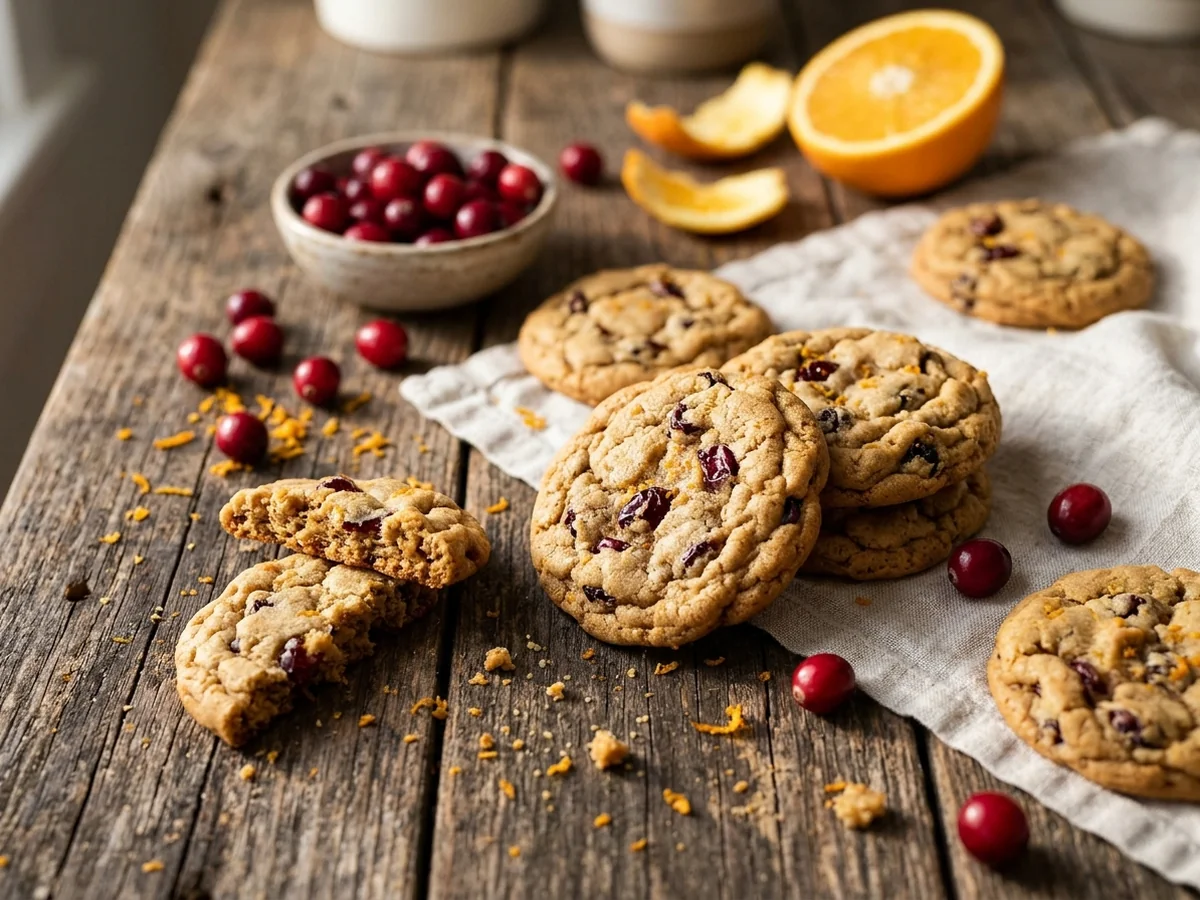
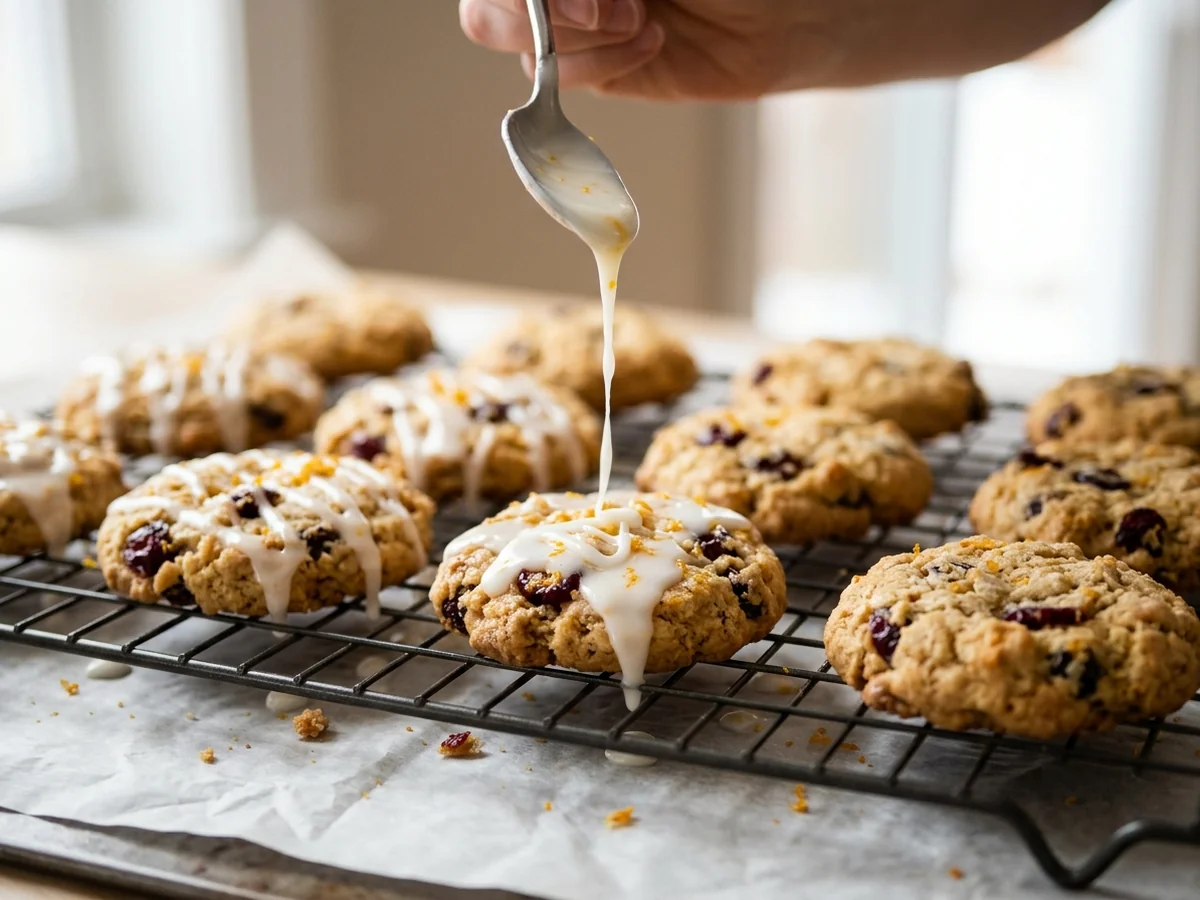
To create a balanced citrus glaze for your cranberry orange cookies, whisk together confectioners sugar, fresh orange juice, and a small amount of orange zest. These three components combine to form a sweet, bright topping that complements the tartness of the fruit. This finish is a hallmark of traditional recipes, providing a decorative pop that balances the acidity of the berries.
Achieving the Perfect Consistency
Consistency is key to how to glaze cranberry cookies effectively. You want a mixture that is thick enough to coat the back of a spoon but fluid enough to drizzle in thin, elegant lines. Start with a smaller amount of orange juice and add more only if needed. If the glaze becomes too runny, whisk in a little extra confectioners sugar to thicken it back up. Conversely, if it is too stiff to pour, add a tiny splash of juice until you reach your desired flow. Aim for a ribbon-like consistency that holds its shape briefly before merging back into the bowl.
Applying the Glaze for Professional Results
Timing is essential when applying the finish to your baked treats. Always wait until the cookies have cooled completely on a wire rack before drizzling the glaze. Applying it while they are still warm will cause the sugar mixture to melt and soak into the surface, which can lead to a soggy texture rather than a crisp, decorative finish. Once applied, allow the glaze to set for several minutes until it loses its glossy appearance and becomes firm to the touch. This waiting period ensures the glaze remains on the surface, providing both visual appeal and a pleasant texture contrast.
Pro Tips for Success
- Use a fine citrus zester to ensure the orange zest is finely grated, which prevents large chunks from clogging your drizzle.
- Whisk the glaze ingredients until they are perfectly smooth and free of any sugar lumps to maintain a professional, clean finish.
- Ensure the cookies are at room temperature before you begin, as this keeps the glaze sitting on top rather than absorbing into the dough.
- If you are working in a humid environment, the glaze may take longer to set. You can place the cookies in a cool, dry area to expedite the firming process.
Fixing Cranberry Cookie Issues
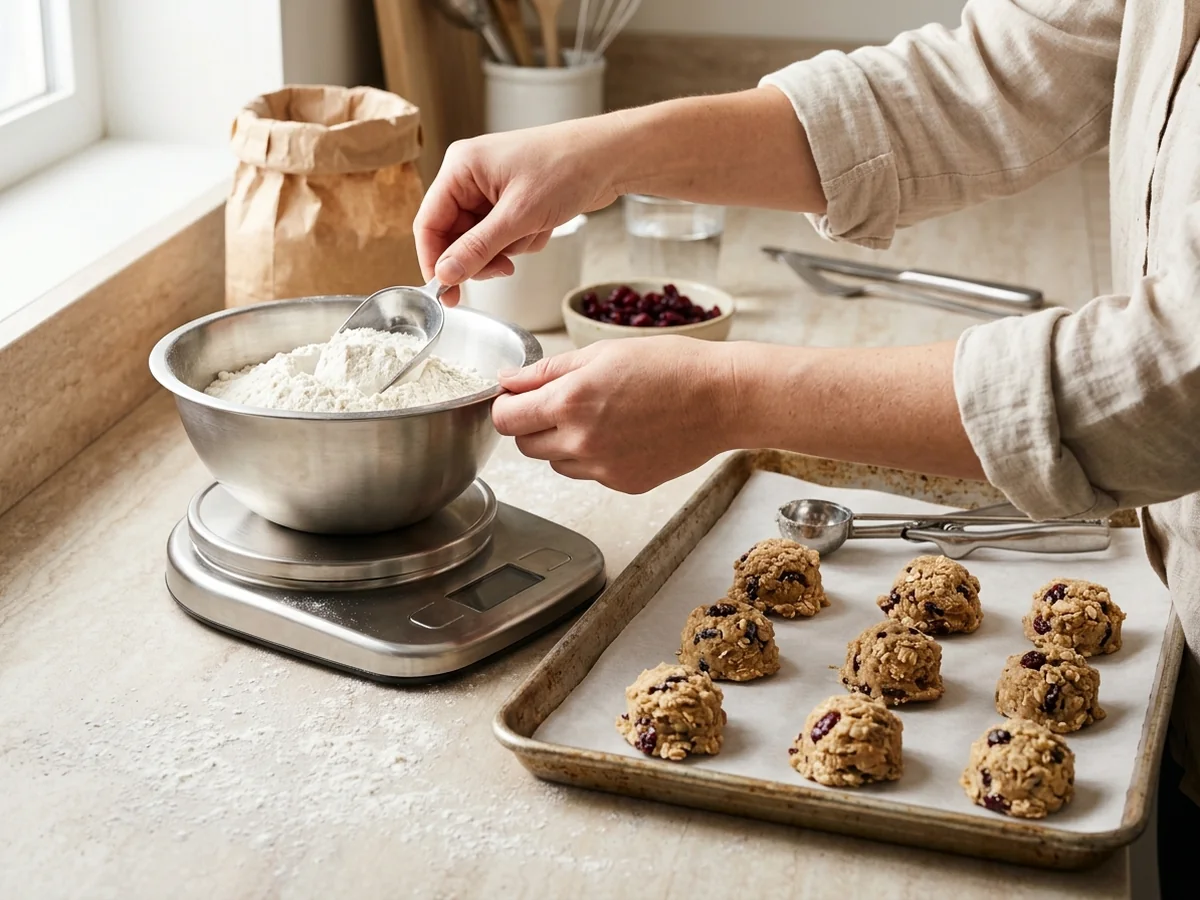
You can prevent flat, thin treats by using a kitchen scale to measure your all-purpose flour rather than scooping it directly with a measuring cup, which often packs the flour down and leads to excess. If you notice your dough spreading too much on the pan, consider chilling the scoops for thirty minutes before placing them in the oven to solidify the fats.
When swapping between fruit types, keep in mind that moisture content significantly changes your bake. Fresh cranberries contain more liquid than dried ones, which can lead to a softer, cake-like texture, so you may need to toss them in a small amount of extra flour before folding them into the batter to absorb the excess juices.
To get the most flavor from your citrus, follow these best practices for preparing your zesty additions:
- Use a sharp citrus zester to remove only the bright outer peel, as the bitter white pith underneath can ruin the delicate balance of your sweets.
- Apply light pressure while pulling the fruit across the blades to ensure you create fine, aromatic shavings rather than large, chewy chunks of skin.
- Rotate the fruit frequently while you work to avoid zesting the same spot twice and accidentally reaching the bitter layers.
- Consider zesting your fruit directly into the sugar before creaming it with the butter, as this releases essential oils that permeate the dough more thoroughly.
- Place a piece of parchment paper under your tool to easily collect every bit of the fragrant zest without losing any to the counter.
- Clean your tool immediately after use with a stiff brush to prevent the tiny, sticky bits of peel from drying and hardening in the small grating teeth.
Following these adjustments helps maintain the integrity of your bake. Remember that accurate measuring and mindful ingredient preparation are the best ways to ensure your batch turns out with the perfect soft and chewy texture every time.
Storage and Freezing
Proper storage is essential to maintain the intended texture of your cranberry orange cookies. When kept at room temperature, these treats typically remain fresh for three to five days. To achieve this, store them in a clean, airtight container. Using an airtight seal prevents the cookies from absorbing ambient moisture, which helps them retain their soft and chewy quality. Avoid placing the container in direct sunlight or near heat sources like the oven, as fluctuating temperatures can cause the glaze, often made from confectioners sugar, orange juice, and orange zest, to become sticky or degrade.
| Storage Method | Optimal Duration | Preparation Tip |
|---|---|---|
| Room Temperature | 3 to 5 days | Use an airtight container |
| Frozen Dough | Up to 3 months | Flash freeze on a tray first |
| Frozen Cookies | Up to 3 months | Layer with parchment paper |
Freezing is a practical solution for long-term storage, and both unbaked dough and finished cookies respond well to this method. If you prefer to freeze the dough, scoop individual portions onto a baking sheet and place them in the freezer until firm. Once solid, transfer the dough balls to a heavy-duty freezer bag to prevent freezer burn. This method allows you to bake just a few cookies at a time. Keep in mind that baking directly from frozen may require an extra minute or two beyond the standard 12 to 14 minutes bake time.
When freezing already baked cookies, the most common mistake is packing them while they are still warm. Ensure the cookies have cooled completely to room temperature before storage. Any residual heat trapped in the container will create condensation, which compromises the texture of the cookie and the consistency of the glaze. To keep them organized and prevent sticking, place sheets of parchment paper between layers. If you notice the cookies softening too much after thawing, you can refresh them in a warm oven for a few minutes to restore their crisp edges.
Variations and Mix-ins
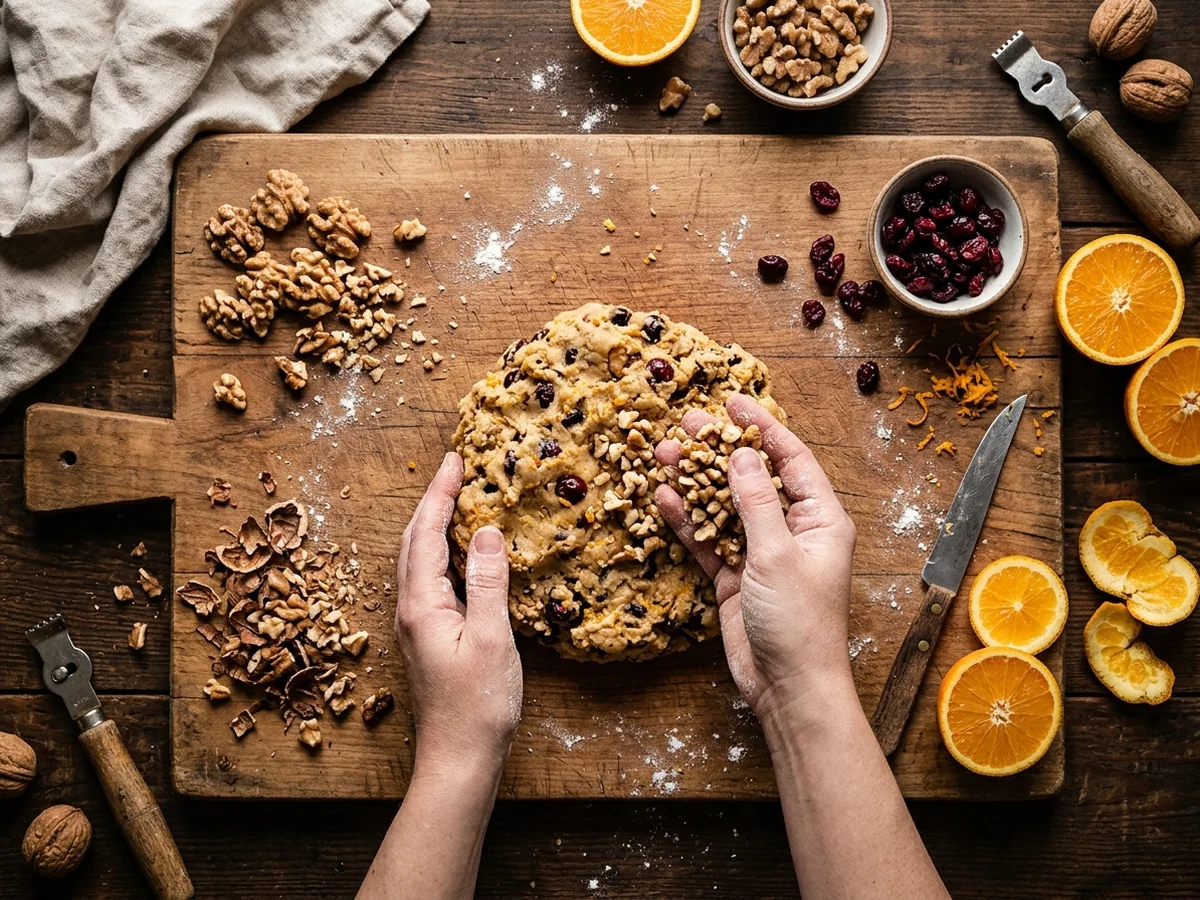
Customizing cranberry orange cookies allows you to adjust the profile to suit different preferences or seasonal occasions. Because the base recipe relies on the interaction between acidic fruit and standard leavening agents like baking soda, small modifications can be made without compromising the final structure. When adjusting, keep in mind that the primary goal is maintaining the balance between the tartness of the cranberries and the brightness of the orange zest.
Texture and Flavor Enhancements
Adding texture is a common way to elevate these cookies. Incorporating chopped walnuts or pecans provides a crunch that contrasts well with the soft, cakey base. When adding nuts, fold them into the dough at the very end of the mixing process. This prevents you from overworking the flour, which is a common mistake that can lead to tough cookies rather than the soft and chewy cranberry orange cookies most bakers prefer.
If you are looking to modify the flavor profile for different audiences, consider these adjustments:
- Sweetness levels: To create a more child-friendly version, consider swapping tart fresh cranberries for dried ones. Dried fruit has a higher sugar concentration, which helps mellow the citrus notes.
- Citrus intensity: If you prefer a more subtle orange flavor, you can slightly reduce the amount of orange zest. Conversely, ensuring your zest is finely grated with a citrus zester helps distribute the essential oils more evenly through the creamed butter and sugar.
- Decorative finishes: For an extra layer of sweetness, you can apply a simple glaze once the cookies have cooled completely. A traditional glaze consists of confectioners sugar, orange juice, and a small amount of orange zest for extra color.
Practical Baking Tips for Success
How you handle the dough before it enters the oven significantly impacts the final outcome. While the recipe calls for dropping dough onto ungreased cookie sheets 2 inches apart, using parchment paper is a practical alternative that simplifies cleanup and ensures even heat distribution across the bottom of the cookie. If you find your cookies are spreading too much, ensure you are using the correct measurements for all-purpose flour and that your butter has been creamed with the white and brown sugar until the mixture is truly smooth. This initial creaming step is vital for aeration.
If you find yourself with extra dough, remember that you can freeze both baked cookies and unbaked dough for later use. For fresh batches, the standard bake time is 12 to 14 minutes at a typical oven temperature of 375 degrees Fahrenheit.
FAQ
How long does it take to bake cranberry orange cookies?
The bake time for these cookies is typically 12 to 14 minutes. You should drop the dough onto ungreased cookie sheets 2 inches apart to ensure proper heat distribution.
What are the essential ingredients needed for cranberry orange cookies?
The first step for the base dough is creaming butter, white sugar, and brown sugar until smooth. The dry mixture consists of all-purpose flour, baking soda, and salt, while common guidance suggests a glaze made from confectioners sugar, orange juice, and orange zest.
How do I store these treats to keep them fresh?
It is common guidance to store them in an airtight container at room temperature. When kept this way, they typically last for three to five days.
Can you freeze the dough?
It is a common practice to freeze both baked items and unbaked dough for later use. This allows you to prepare batches ahead of time for convenience.
What is the recommended oven temperature?
Common guidance suggests using an oven temperature of 375 degrees Fahrenheit or 190 degrees Celsius. This setting helps achieve the desired texture and golden color for your cookies.
Conclusion
Once your treats have cooled completely on a wire rack, the final step is to decide whether to enjoy them immediately or prepare them for storage. If you plan to save your citrus-infused baked goods for later, placing them in an airtight container typically keeps them fresh for three to five days at room temperature. For longer preservation, it is common practice to freeze either the finished cookies or the unbaked dough for future use.
Sources: scranton.edu, blogs.dickinson.edu, selections.rockefeller.edu
You might also like: Mouthwatering Antipasto Farro Salad With Sundried Tomato Vinaigrette R