Mouthwatering Antipasto Farro Salad With Sundried Tomato Vinaigrette Recipe
Introduction to Hearty Antipasto Farro Salad
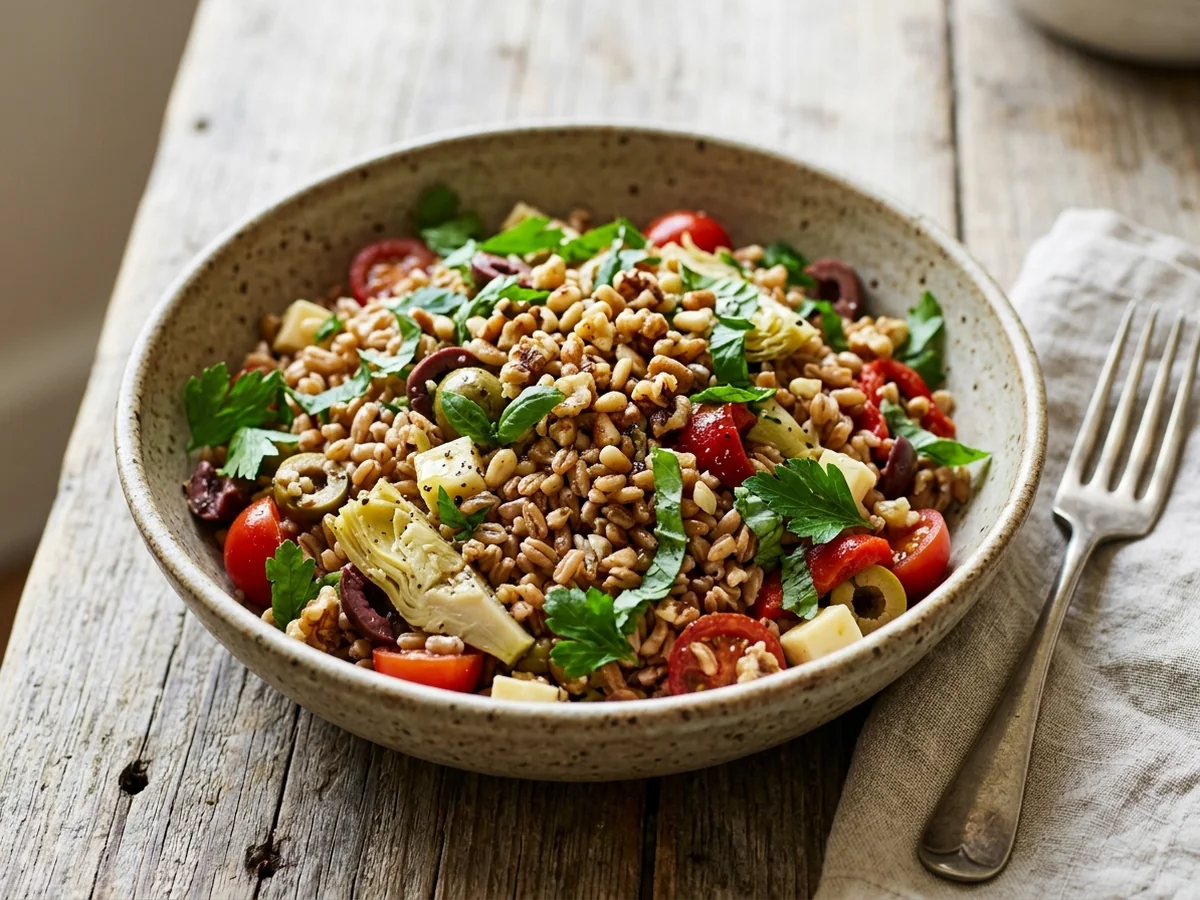
An antipasto farro salad brings together bold Mediterranean flavors and wholesome comfort food into one robust grain bowl. This dish blends chewy grains with savory meats and rich cheeses, creating a filling meal that satisfies without weighing you down.
Busy home cooks will find that this recipe fits seamlessly into hectic weeknight schedules and casual weekend entertaining. You can easily prep the components in advance for quick dinners or gatherings, yielding between 4 and 8 servings depending on your batch proportions.
History of Farro Salad
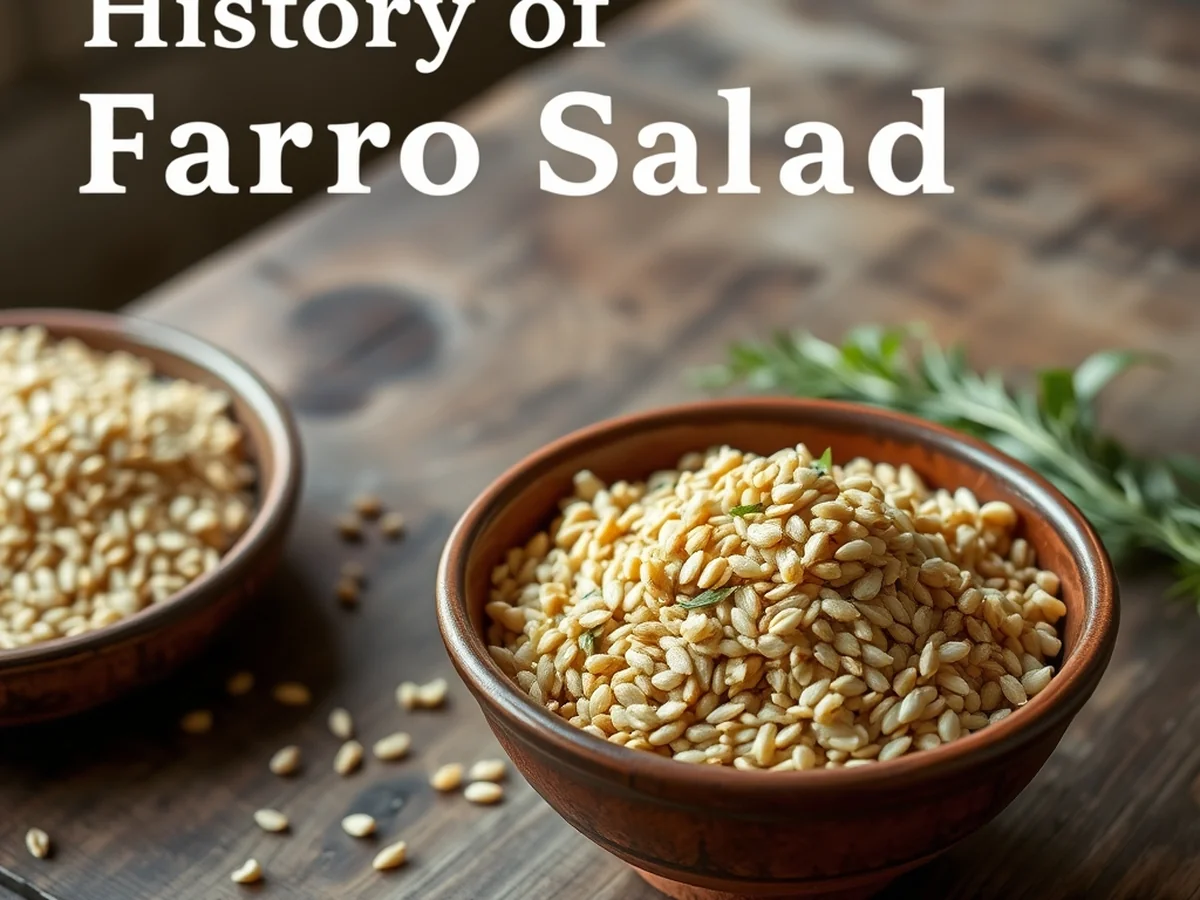
Farro is an ancient grain that commonly originates in ancient Mesopotamia, where people relied on this durable wheat variety for thousands of years across the Mediterranean. Common culinary guidance notes that the grain features a distinctly chewy texture and a nutty flavor profile. These structural qualities help the ingredient hold up well against heavy dressings and bold mix-ins without getting mushy, making it a natural foundation for an antipasto salad recipe.
Selecting the Right Grain Variety
Cooks frequently select pearled farro for quick weeknight meals because the outer bran layer is partially removed. This processing method shortens the overall time spent boiling the grain on the stove. Common guidance observes that pearled farro cooks in 15 to 20 minutes when boiled in aggressively salted water, allowing home cooks to assemble hearty make ahead salads efficiently.
Building the Antipasto Foundation
Understanding the practical steps behind preparing this grain prevents common mistakes like undercooking or ending up with a watery texture. Choosing the right variety ensures the base absorbs flavors effectively without losing its bite. When building a farro salad with mozzarella and olives, combining the cooked grain with fresh arugula adds a peppery bite to balance the rich cheese and savory antipasto elements. Common practices incorporate fresh mozzarella torn into pieces, which blends seamlessly into the mixture.
Crafting the Vinaigrette
A sun dried tomato vinaigrette can utilize the leftover oil from the sun-dried tomato jar for added flavor, tying the entire dish together into a cohesive and satisfying meal according to guidance from Oregon State University. This smart technique reduces kitchen waste while imparting a deep, concentrated tomato essence into the dressing. The recipe yields approximately 4 to 8 servings depending on the specific batch proportions, making it a reliable option for family dinners and gatherings.
Best Farro for Salads
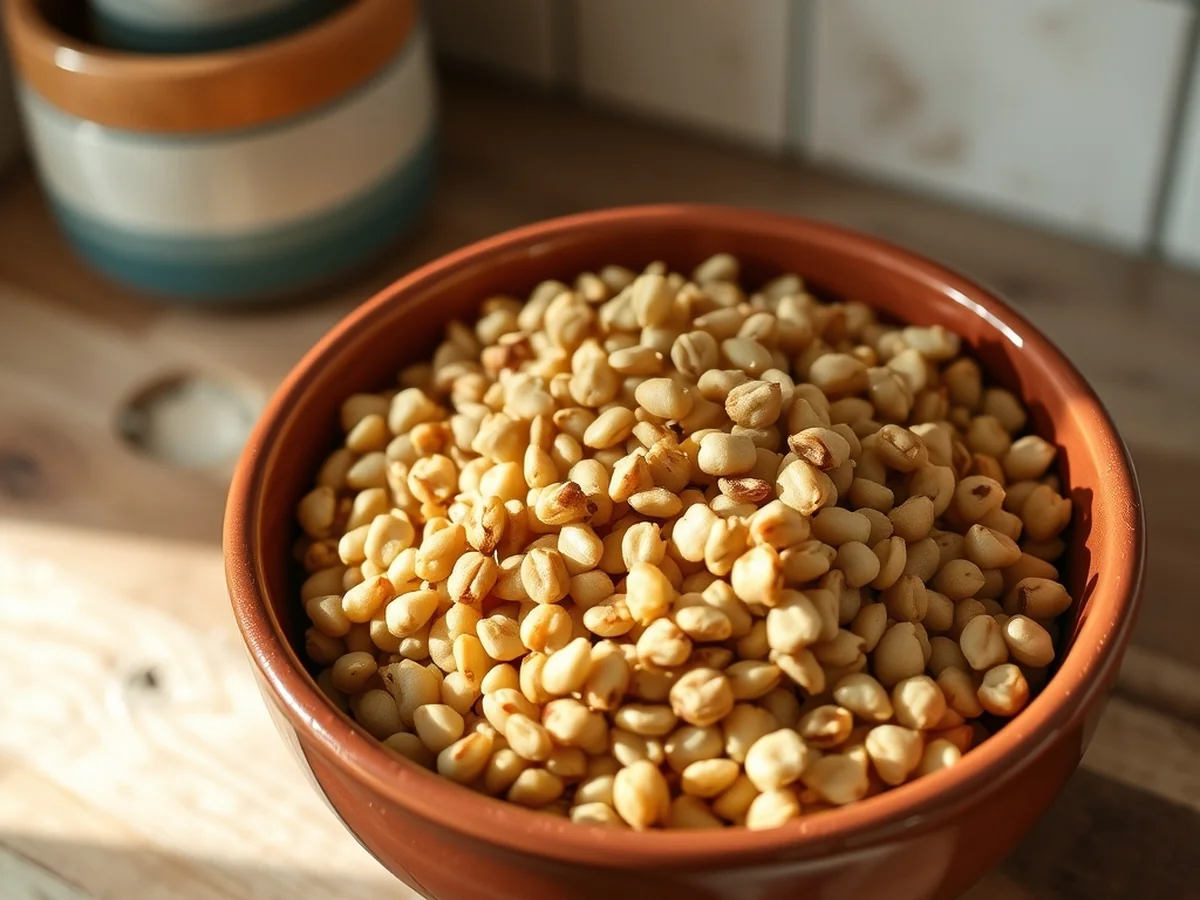
Choosing the right grain variety makes all the difference when you are preparing a hearty make ahead salads option for busy weeknights. Farro is an ancient grain that originates in ancient Mesopotamia and has a chewy texture with a nutty flavor. When building an antipasto salad recipe, selecting the proper processing level determines your cooking success and final texture.
Pearled farro is widely considered the best choice for cold dishes because it cooks efficiently in 15 to 20 minutes when boiled in aggressively salted water. This variety works well because the outer bran layer has been partially polished away during milling, allowing it to soften quickly while maintaining a pleasant bite. Semi-pearled and whole grain options take significantly longer to soften and often require soaking, which can add unnecessary steps to your cooking routine.
- Pearled farro cuts down kitchen time significantly by cooking in under twenty minutes.
- Aggressively salted boiling water seasons the grain thoroughly from the inside out.
- The milling level of the grain changes both the texture and the required simmering time.
- Choosing pearled varieties helps you avoid undercooked grains in cold grain dishes.
A common mistake when preparing this ingredient is failing to salt the cooking water adequately. Because grains absorb moisture as they cook, seasoning the water is your only chance to flavor the core of the kernel. Once cooked and cooled, tossing the grains with a vibrant sun dried tomato vinaigrette allows them to absorb the robust dressing flavors. This particular grain pairs wonderfully with fresh arugula, which adds a peppery bite to balance the rich grain and cheese elements.
Crafting the Bold Sun-Dried Tomato Vinaigrette
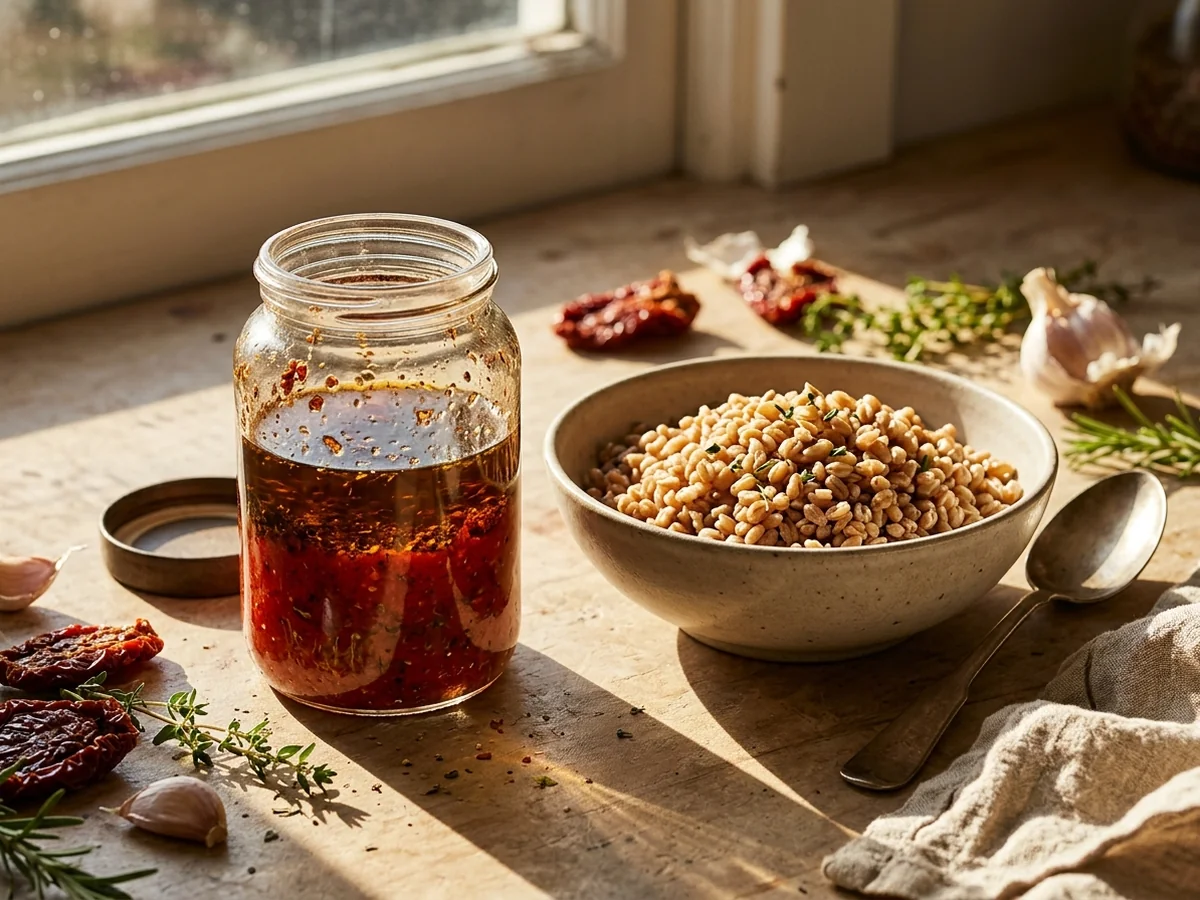
Sun-dried tomato vinaigrette can utilize the leftover oil from the sun-dried tomato jar for added flavor, according to extension.oregonstate.edu, turning what is normally discarded into a secret weapon for depth. Pouring that infused oil directly into your mixing bowl gives the dressing a concentrated, savory taste that plain olive oil simply cannot match. When you are building a hearty antipasto farro salad, balancing acidity and rich notes is essential because chewy grains and dense cheeses need a bright contrast.
Utilizing Infused Jar Oils
The secret to a truly memorable sun dried tomato vinaigrette lies right inside the jar of tomatoes. Instead of tossing the residual oil, whisk it directly with your choice of vinegar to create an intensely flavorful base. This technique infuses every drop of your antipasto salad recipe with a rich, savory character that standard vegetable oil or plain olive oil lacks.
Balancing Flavors in Your Antipasto Farro Salad
Practical steps for a balanced dressing start with whisking the tomato-infused oil with a sharp splash of vinegar to cut through the heavy elements. Common mistakes include adding too much salt before tasting the tomatoes and olives, both of which already bring plenty of sodium to your dish. To avoid this, whisk your base of oil and acid first, incorporate herbs and sea salt gradually, and toss gently with ingredients like fresh mozzarella and hard salami so every single bite stays vibrant. Fresh arugula adds a peppery bite to balance the rich grain and cheese elements.
Achieving the Perfect Yield
When preparing this dish for family dinners or casual gatherings, knowing your portion sizes helps with planning. According to research from Florida State University, the recipe yields approximately 4 to 8 servings depending on the specific batch proportions. This makes it an ideal option for meal prep containers or sharing at a weekend table.
Assembling the Classic Antipasto Elements
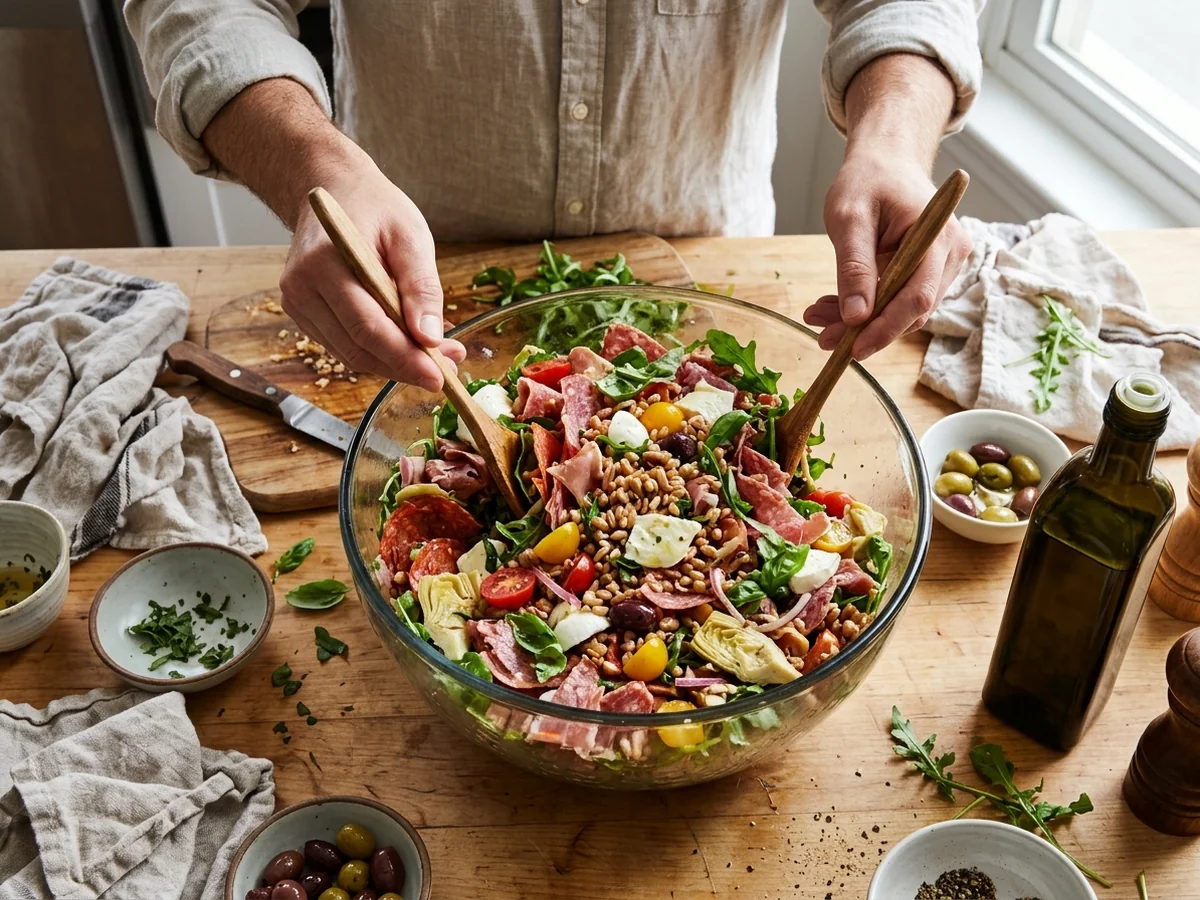
Building a vibrant antipasto farro salad relies on combining savory cured meats, rich dairy, and crisp greens that cut through the richness. Common guidance suggests incorporating fresh mozzarella torn into pieces to create rustic pockets throughout the bowl, allowing the creamy cheese to coat the warm grains. You can easily prep these bold components while the grains finish simmering on the stove.
To master this Italian grain bowl creation, efficiency is key. Preparing your ingredients ahead of time ensures a smooth assembly process and prevents the grains from overcooking or clumping together. A common mistake during assembly is tossing delicate greens too aggressively with heavy ingredients, which can bruise the leaves and compromise the visual appeal of your work lunch meal prep containers.
- Integrate fresh mozzarella torn into pieces to add a creamy, mild texture that coats the warm grains and balances the intense flavors.
- Add hard salami cut into bite-sized shapes for a savory depth and satisfying chew that anchors the dish.
- Mix in assorted olives like kalamata or cerignola to bring a briny, salty punch to every forkful.
- Include fresh arugula to provide a peppery bite that cuts through the rich cheese and hearty grains.
- Toss the entire mixture gently so the delicate greens do not bruise against the heavier elements.
- Utilize leftover oil from the sun-dried tomato jar directly in your homemade dressing for an extra layer of savory flavor, a technique supported by Oregon State University preservation guidelines.
- Portion your finished dish accurately, noting that the recipe yields approximately 4 to 8 servings depending on the specific batch proportions.
Enhancing Flavor with Unique Additions
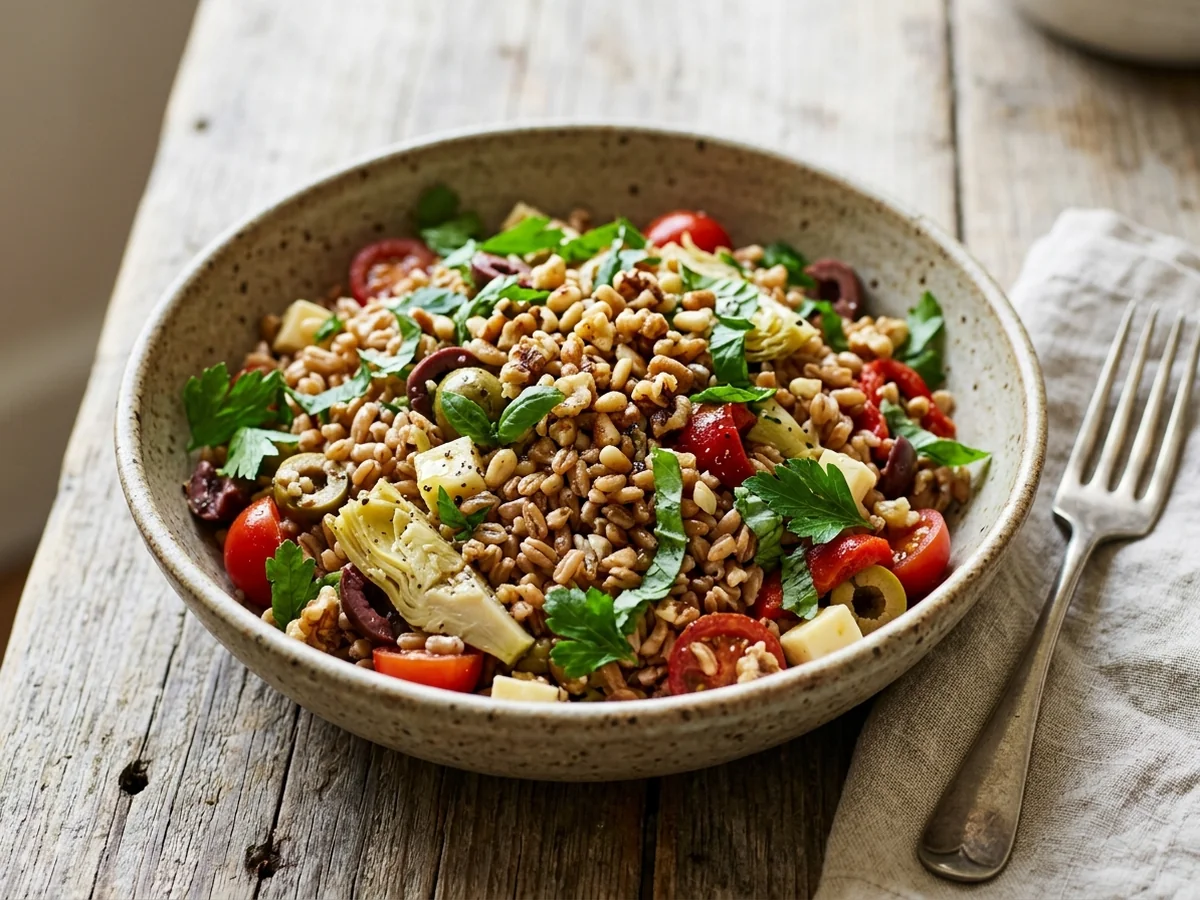
Elevating a classic grain dish often comes down to layering unexpected textures and subtle flavor contrasts that complement rich ingredients like fresh mozzarella and olives. Traditional combinations are wonderful, but introducing fresh produce and nuts creates a more complex dining experience when putting together an antipasto farro salad.
Integrating sautéed fennel brings a subtle anise sweetness and unique texture to the bowl. Cooking the fennel gently in a skillet softens its natural bite while caramelizing the edges slightly, which pairs exceptionally well with the chewy grain base often associated with pearled farro.
Incorporate toasted walnuts to add a contrasting crunch that breaks up the softness of the other ingredients. Toasting brings out the natural oils in the nuts, adding a warm and earthy depth that ties the entire flavor profile together.
A common mistake when building a hearty farro salad with mozzarella and olives is skipping the balancing act between rich elements and bright notes. Fresh arugula adds a peppery bite to balance the rich grain and cheese elements, ensuring every spoonful remains vibrant rather than heavy. When preparing your ingredients, consider these practical steps:
- Gently sauté your fennel until the edges show light caramelization to mellow the raw licorice flavor.
- Toast walnuts in a dry skillet over medium heat for just a few minutes until fragrant, stirring frequently to prevent burning.
- Tear the fresh mozzarella by hand rather than cutting it with a knife, creating rough edges that hold dressings and vinaigrettes much better.
To maximize the flavor of your homemade dressing, you can utilize the leftover oil from the sun-dried tomato jar for added flavor, as noted by the Oregon State University Extension Service. This clever trick infuses the dressing with concentrated tomato notes that seamlessly bridge the gap between the earthy grains and the savory antipasto mix.
Batch Proportions and Serving Sizes
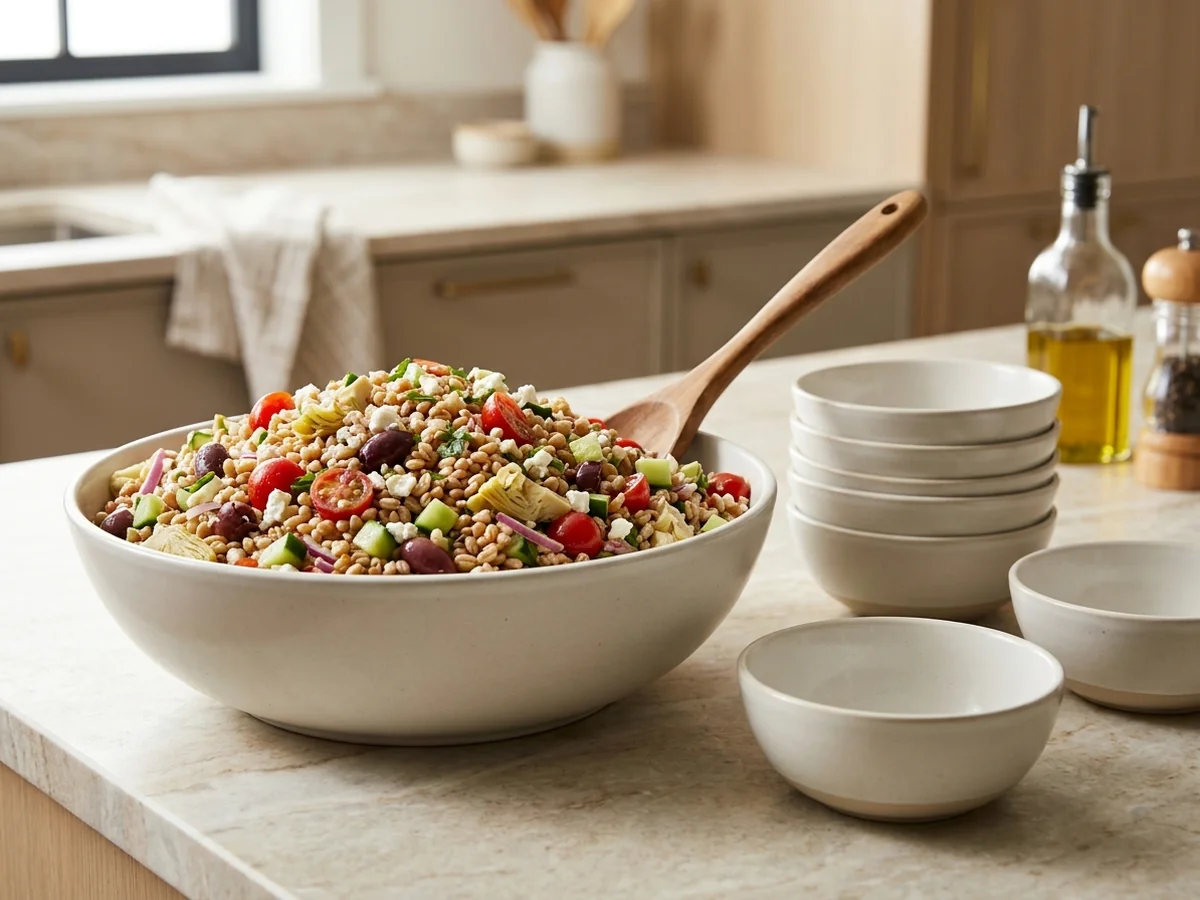
When preparing an antipasto farro salad for a weeknight dinner or a weekend gathering, understanding how to scale your ingredients ensures you always have the right amount on hand. The recipe yields approximately 4 to 8 servings depending on the specific batch proportions, according to guidelines from Florida State University. This flexibility allows home cooks to easily adjust quantities based on household size or guest counts without losing the robust flavors of the dish. Scaling up your ingredients works wonderfully for family dinners or large events, but it helps to keep a few practical considerations in mind to maintain the structural integrity of your meal.
Adjusting Your Grain and Dressing Ratios
A common mistake when doubling or tripling a grain salad is failing to multiply the dressing by the exact same factor, which can leave the grains dry and uninspired. If you are preparing a larger batch of this Mediterranean grain dish to accommodate a crowd, make sure to scale the homemade tomato and herb dressing proportionally. You can even utilize the leftover oil from the sun dried tomato jar for added flavor in your dressing, creating a cohesive taste profile across every single bite.
Portioning for Meal Prep and Storage
Portioning the grain dish into work lunch meal prep containers is another practical approach for busy weekdays. Dividing the mixture evenly across multiple storage vessels ensures quick, grab and go meals that stay fresh in the refrigerator. When packing your portions, consider keeping any fresh arugula separate until the day of consumption. This simple step maintains its crisp texture and peppery bite, ensuring your hearty make ahead salads taste just as vibrant on day three as they did right after tossing.
Nutritional Breakdown and Dietary Adaptations
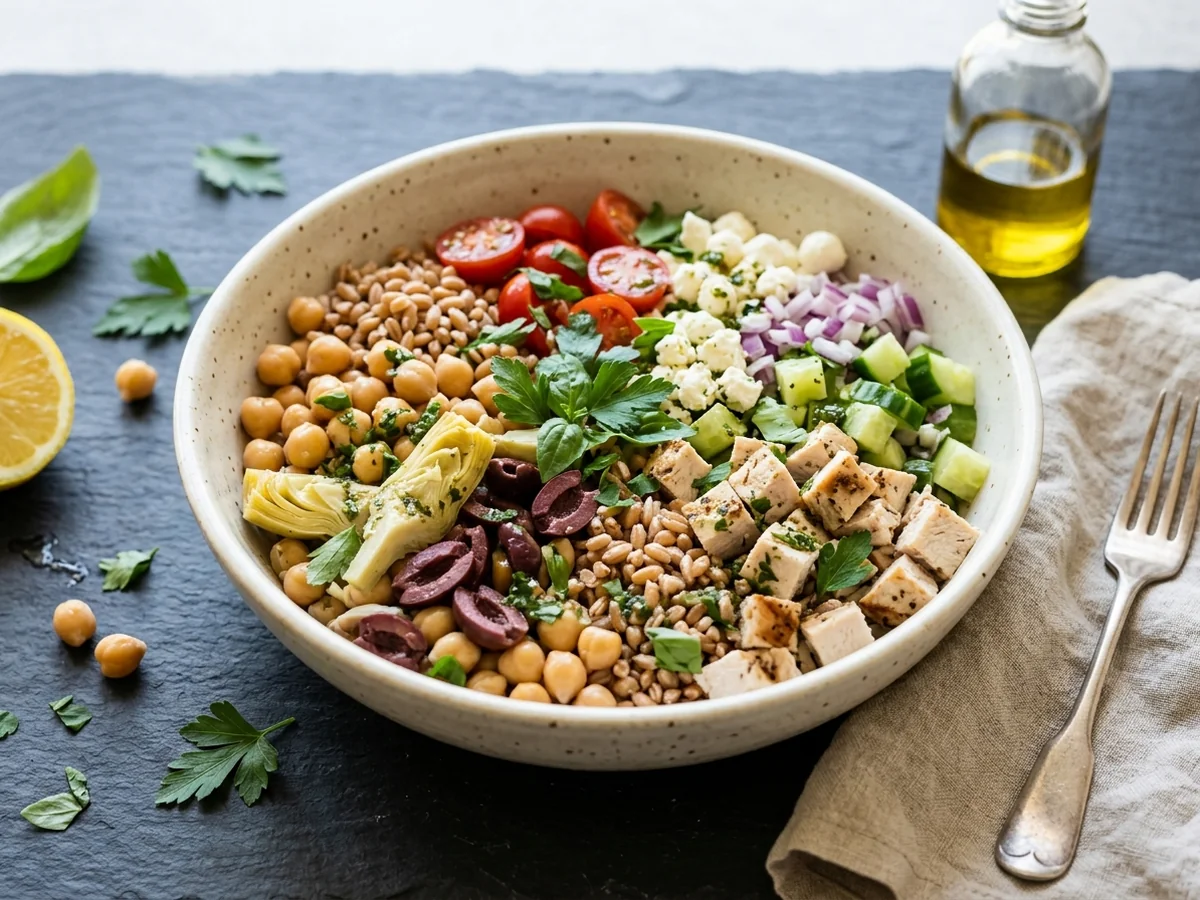
Tracking macros for high-protein meal planning requires looking at specific ingredient contributions, and the recipe yields approximately four to eight servings depending on the specific batch proportions. Since exact counts vary based on portion cuts and additions like hard salami or fresh mozzarella, tracking individual components ensures accurate daily tracking for busy workweek lunches. The base grain typically offers a sturdy texture, while sun-dried tomato vinaigrette can utilize the leftover oil from the sun-dried tomato jar for added flavor without requiring extra pantry fats.
| Dietary Preference | Key Modification | Protein Consideration |
|---|---|---|
| Standard | Uses pearled farro, fresh mozzarella, and hard salami | Naturally high in protein from grains, cheese, and cured meat |
| Vegetarian | Retains cheeses and eggs while omitting cured meats | Maintained through dairy sources and ancient grain content |
| Vegan | Swaps dairy cheese for plant-based alternatives and omits meats | Boosted by adding toasted nuts, beans, or seeds |
| Gluten-Free | Substitutes the base grain with certified gluten-free quinoa or brown rice | Preserved by focusing on nutrient-dense legume and seed add-ins |
Adapting this antipasto farro salad for alternative diets is straightforward when swapping base elements to fit your nutritional goals. Plant-based eaters can easily replace the traditional cheese and cured meats with hearty beans, artichoke hearts, or roasted chickpeas to maintain a satisfying bite. Those avoiding gluten simply need to substitute the ancient grain with a certified gluten-free grain alternative while keeping the vibrant vinaigrette and crisp arugula intact.
Safe Storage and Meal Prep Guidelines
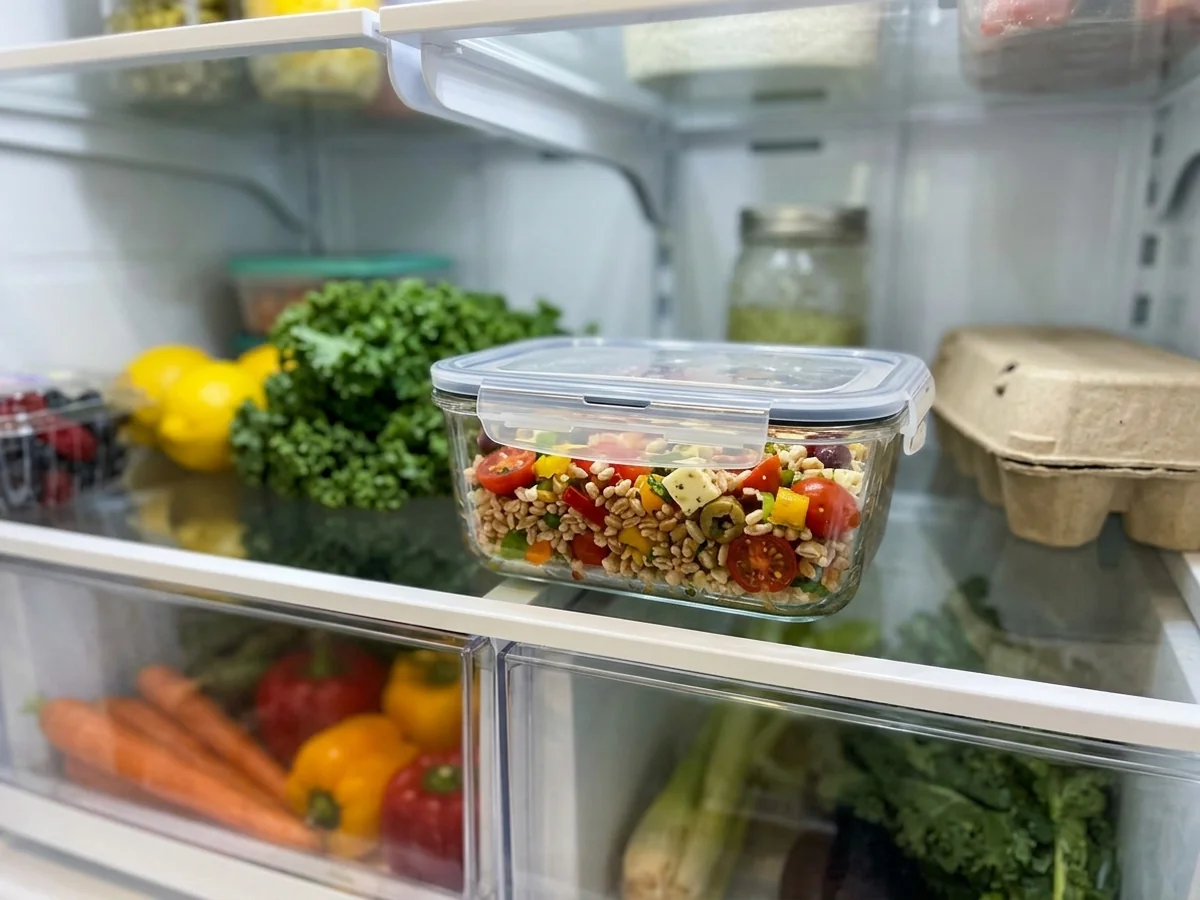
Leftover grain dishes keep well in the refrigerator for several days when stored properly in a sealed, airtight container. This simple step maintains the freshness of your Italian-inspired grain dish and prevents the ingredients from absorbing unwanted odors from other foods in your refrigerator.
When you are planning lunches for the workweek, smart packing strategies protect delicate textures and keep your midday meal tasting fresh. A common practice for robust prepared lunches is to layer the components thoughtfully or keep dressings separate until you are ready to eat. For instance, you can toss the cooked pearled farro in the homemade dressing ahead of time to let the flavors build, while keeping fresh add-ins like arugula and fresh mozzarella separate until lunchtime.
Proper storage also relies on using the right containers and avoiding common mistakes. Here are a few practical steps to ensure your food stays safe and delicious:
- Use glass or heavy-duty plastic airtight containers to seal out moisture and refrigerator odors.
- Pack leafy greens, such as fresh arugula, at the very top of your meal prep container to prevent them from becoming soggy.
- Store dressings in a small, separate leak-proof jar, especially if your dressing uses leftover oil from the sun-dried tomato jar for added flavor.
- Allow cooked grains to cool completely before sealing them in a container to prevent condensation and rapid bacterial growth.
Frequently Asked Questions About Antipasto Farro Salad
What pairs well with farro salad?
Grilled chicken, roasted Mediterranean vegetables, and crusty garlic bread make great companions to a hearty grain dish. The nutty chew of the base absorbs bright herbaceous notes easily, so a simple side of grilled seafood also works wonderfully.
What is the difference between an antipasto salad and an antipasto?
An antipasto is a traditional Italian first course featuring a platter of cured meats, cheeses, and pickled vegetables served before a meal. An antipasto salad combines those exact cured meats, cheeses, and vegetables into a unified bowl, often tossed with greens and grains.
How do Italians traditionally eat farro?
Common guidance shows that farro has deep roots originating in ancient Mesopotamia and is frequently prepared in rustic soups, hearty stews, or simple grain salads dressed with olive oil and herbs. Italian kitchens often value pearled farro for its reliable cooking time and robust texture.
What are popular culinary references and preparation timelines for this dish?
Famous culinary personalities like Ina Garten have popularized whole grain salads for effortless entertaining. While prep work depends on your kitchen speed, assembling an antipasto farro salad typically requires chopping cured meats and whisking a quick vinaigrette before tossing everything together.
How much of this salad can be made ahead of time?
The recipe yields approximately four to eight servings depending on the specific batch proportions, making it ideal for meal prep. You can mix the grains and dressing in advance so the flavors meld together nicely before serving.
Conclusion
This high-protein grain dish offers a filling meal option that holds up well for busy schedules and gatherings. Give this Italian-inspired grain bowl a try for your next work lunch prep or weekend party. Toss the ingredients together with a bright homemade dressing and enjoy a flavorful bowl.
Sources: surveys.ecit.fsu.edu, extension.oregonstate.edu
You might also like: Cheesy Broccoli Casserole Recipe