
Pull Apart Cheeseburger Sliders Recipe 2
Introduction
You can prepare pull apart cheeseburger sliders by layering seasoned meat and cheese between soft rolls for a convenient, crowd-friendly meal. Mastering pull apart cheeseburger sliders requires balancing flavor with proper assembly techniques to ensure every bite is perfectly cooked and satisfying.
This guide provides a comprehensive walkthrough for building these sliders using industry-standard ingredients like Hawaiian sweet rolls and American cheese. You will learn the essential steps to achieve the ideal texture, including tips to prevent soggy buns and methods for creating a savory butter-based glaze. The article also covers food safety guidelines, such as reaching the required internal temperature for ground beef, and offers practical advice on storage and reheating. Whether you are feeding a large group or prepping a high-protein dinner, these instructions will help you execute a consistent and delicious result every time.
Why These Mini Burgers Are Perfect for Busy Schedules
Preparing pull apart cheeseburger sliders offers an efficient high-protein solution for hectic weeknights because this method simplifies the assembly process. Instead of shaping individual patties, which is time-consuming, you can form the ground beef into one large layer that fits your standard baking dish. This batch-cooking approach minimizes your active time in the kitchen while ensuring a hearty, satisfying meal.
Mastering Efficiency and Texture
The design of these sliders makes them an excellent choice for both family dinners and larger gatherings. Because they are baked as a connected unit, you can feed a crowd without standing over a hot stove. To achieve the best results, many home cooks utilize Hawaiian sweet rolls as the industry standard for this style of baking, as their size and mild sweetness complement savory fillings perfectly.
A common challenge with this method is how to prevent soggy slider buns. If your meat mixture is particularly juicy, you can toast the cut buns slightly before adding the ingredients to create a moisture barrier. Additionally, placing parchment paper in your baking dish is recommended to ensure easy removal of the connected sliders and to simplify cleanup after the meal.
Essential Tips for Success
When you prepare baked cheeseburger sliders for a crowd, attention to detail during the assembly ensures consistent quality. Consider the following best practices to optimize your results:
- Temperature control: Ground beef must be cooked to an internal food temperature of 160 degrees Fahrenheit to ensure food safety.
- Flavor enhancement: Adding caramelized onions is a frequent method to deepen the flavor profile of the beef.
- Melting properties: American cheese is the most common choice for sliders because it provides a smooth, consistent melt that holds the layers together.
- Finishing touches: Many recipes incorporate a butter-based glaze, often including Worcestershire sauce for umami depth, and a sprinkle of sesame seeds for added texture.
Safe Handling and Storage
Efficiency in the kitchen also requires proper storage. If you have leftovers, they must be refrigerated within two hours of the initial cooking process to remain safe for consumption. When you are ready to enjoy them again, reheating sliders in an oven set to 300 degrees Fahrenheit helps maintain the integrity of the bun texture, preventing them from becoming rubbery or overly dry. Whether you are prepping for a busy work week or hosting friends, this approach turns a classic comfort food into a reliable, stress-free meal option that yields consistent, protein-rich results for any group size.
Ingredients for Cheeseburger Sliders
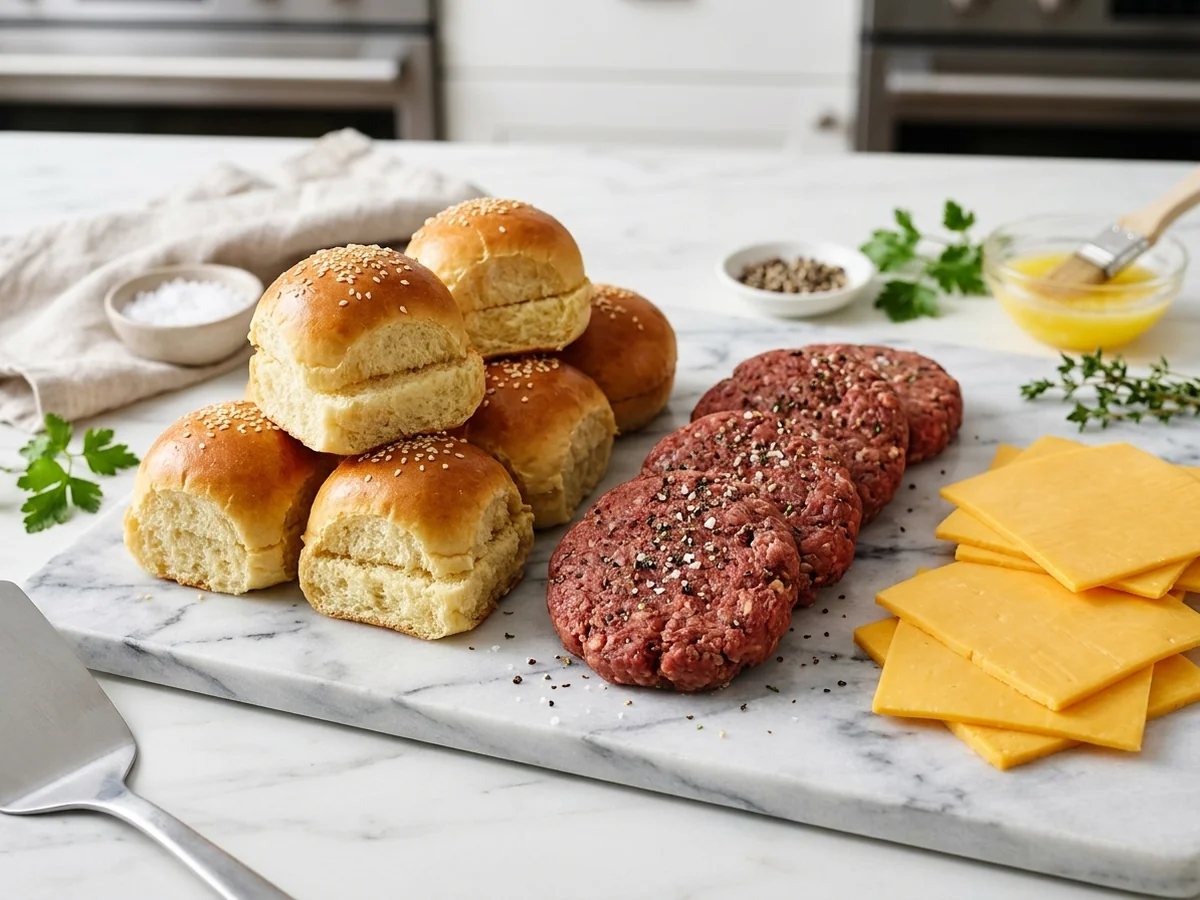
Creating professional-quality pull apart cheeseburger sliders requires selecting components that provide both structural stability and deep, savory flavor. When preparing baked cheeseburger sliders for a crowd, the quality of your ingredients dictates not only the taste but also the consistency of the final dish.
Building the Perfect Foundation
Hawaiian sweet rolls are typically the industry standard for these recipes, as their soft, pillowy texture and subtle sweetness provide an ideal contrast to rich, savory beef. To ensure your easy ground beef sliders recipe remains consistent, use high-quality ground beef. According to the USDA, you must ensure your meat reaches an internal food temperature of 160 degrees Fahrenheit for food safety. American cheese is widely considered the best cheese for sliders because its emulsifiers create a smooth, consistent melt that binds the patty to the bun without separating.
Flavor Enhancers and Assembly Aids
Beyond the basics, specific additions help elevate the overall profile. Caramelized onions are a frequent addition used to enhance flavor depth through the Maillard reaction. For the topping, a butter-based glaze is common, often incorporating Worcestershire sauce for an extra boost of umami. To achieve that signature golden brown finish, cooks commonly brush the tops of the buns with egg wash or melted butter, sometimes finishing with a sprinkle of sesame seeds for added texture.
Tips for Structural Integrity
A common hurdle home cooks face is preventing the bottom bun from becoming overly soft. If your meat mixture contains a high level of moisture, consider toasting your buns slightly before assembly to prevent sogginess. Additionally, using parchment paper to line your baking dish is recommended by health and food safety resources, as it prevents sticking and allows you to lift the entire batch out easily. If you are preparing these for a large group, note that slider patties can be formed as one large layer to fit standard 12-count bun packs, which saves significant time during assembly.
| Ingredient | Purpose |
|---|---|
| Hawaiian sweet rolls | Structural base and flavor contrast |
| Ground beef | Primary protein source |
| American cheese | Optimal melting for binding |
| Parchment paper | Ensures easy removal from baking dish |
When storing leftovers, ensure they are refrigerated within two hours of cooking to maintain safety. When you are ready to serve again, reheating sliders in an oven at 300 degrees Fahrenheit helps maintain the desired bun texture.
Assembling Your Cheeseburger Sliders
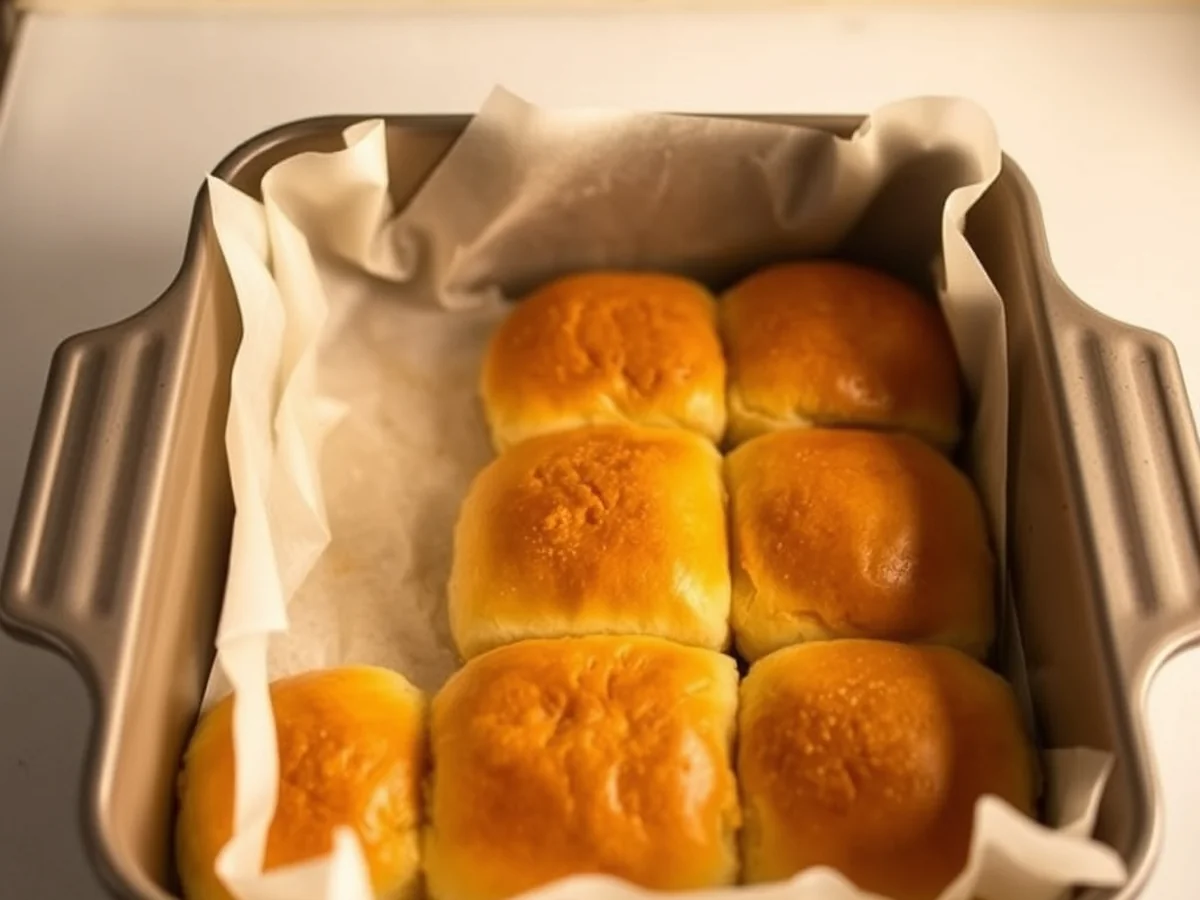
When preparing pull apart cheeseburger sliders, the assembly process is key to achieving a professional result that stays intact while serving. To ensure easy cleanup and prevent the bottom of your rolls from sticking to the baking dish, always line your pan with parchment paper. This simple step is recommended to make removing individual portions seamless once the sliders emerge from the oven.
Building the Perfect Layer
For an efficient assembly, Hawaiian sweet rolls are typically used as the industry standard. Instead of shaping individual patties, it is common practice to form one large patty layer that fits your baking dish. This saves time and ensures every bite has a uniform meat-to-bun ratio. If your beef mixture contains extra juices, you might toast the bottom buns slightly to prevent soggy slider buns. Once your ground beef reaches an internal temperature of 160 degrees Fahrenheit, it is safe to serve.
Place the cooked meat directly onto the base layer of buns, followed by your cheese. American cheese is the most common choice due to its superior melting properties. You can also add caramelized onions, which are a frequent addition to enhance flavor profiles.
The Final Glaze and Bake
After placing the top half of the buns over your filling, apply an egg wash or melted butter to the surface. This step is commonly used to encourage browning through the Maillard reaction, which creates a rich color and complex flavor. To elevate the final product, many recipes incorporate a butter-based glaze, which often includes Worcestershire sauce for umami depth. Adding a sprinkle of sesame seeds is also commonly practiced to provide a classic texture contrast.
When you are ready to cook, use the following guidelines to achieve the best results:
| Process Step | Best Practice |
|---|---|
| Baking Temperature | Preheat oven to 350 to 375 degrees Fahrenheit. |
| Surface Coating | Brush butter or egg wash evenly across all bun tops. |
| Serving Size | Expect to serve 6 to 12 people per batch. |
By following this easy ground beef sliders recipe, you create a cohesive, crowd-pleasing meal. If you have leftovers, food safety guidelines require you to refrigerate them within two hours of cooking to maintain quality.
Keeping Slider Buns Crisp
 Keeping Slider Buns Crisp
Achieving the perfect texture when preparing baked cheeseburger sliders for a crowd requires intentional moisture management. Hawaiian sweet rolls are the industry standard for pull-apart slider recipes, but their soft and porous nature means they can easily absorb liquids from the meat filling. Preventing a soggy base is a common concern for home cooks, especially when aiming for a professional finish. By focusing on moisture control during the assembly and baking phases, you can ensure each bite remains satisfying and structurally sound.
Strategies for Texture Maintenance
The primary key to success is creating a moisture barrier. If your meat mixture is particularly saucy, it is common guidance to toast the base of your buns in the oven for a few minutes before assembly. This extra step helps the bread resist liquid absorption. Additionally, prioritize draining excess fat from your ground beef after cooking. Not only does this improve the texture, but it also keeps the filling from becoming overly greasy. If you are adding caramelized onions to enhance the flavor profile, drain them thoroughly before layering to ensure no residual liquid compromises the buns.
The assembly method also plays a role in quality. While it is tempting to prep everything well in advance, it is best to assemble sliders shortly before baking. The longer the meat rests against the bread, the more moisture will migrate into the rolls. When placing your assembled sliders into the baking dish, using parchment paper is recommended to ensure even heat distribution and easier removal. This simple addition prevents the buns from sticking or steaming against the bottom of the dish, which can otherwise lead to a soft, gummy texture.
Cooking and Storage Standards
While texture is important, food safety remains the priority for any ground beef dish. According to the USDA Food Safety and Inspection Service, ground beef should be cooked to an internal food temperature of 160 degrees Fahrenheit to ensure it is safe to consume. Using a digital meat thermometer is the most reliable way to verify this temperature, as visual cues are often misleading.
Proper handling after cooking is just as critical as the initial preparation. If you have leftovers, they must be refrigerated within two hours of cooking to remain safe for future meals. When it comes to reheating, avoid the microwave, which often creates an unappealing, gummy texture in the bread. Instead, reheat your sliders in an oven at 300 degrees Fahrenheit. This lower temperature gently warms the meat through while helping to evaporate surface moisture, which is the most effective way to maintain bun texture after storage.
| Action | Purpose |
|---|---|
| Toast buns | Creates a barrier against moisture |
| Drain meat/onions | Reduces excess liquid |
| Use parchment paper | Prevents steaming and sticking |
| Oven reheat (300°F) | Maintains structural integrity |
Best Toppings and Glazes
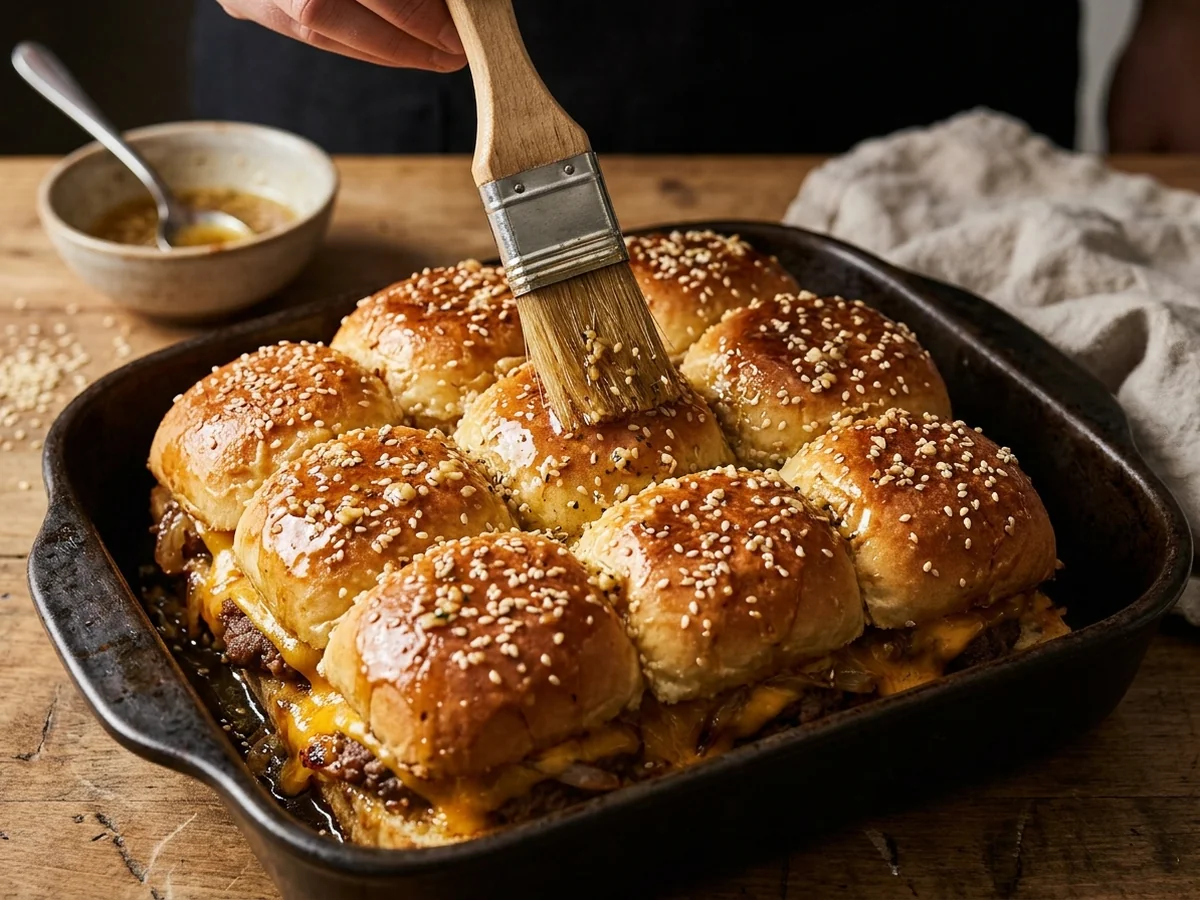
The final assembly of pull apart cheeseburger sliders is where you can balance the richness of the beef with savory, aromatic elements. Selecting the right glazes and toppings not only enhances the flavor profile but also ensures the buns achieve a desirable texture during the baking process.
A butter-based glaze is a staple for professional-grade results. It is common practice to whisk melted butter with Worcestershire sauce, which provides the necessary umami depth to cut through the savory meat. Applying this mixture to the tops of the Hawaiian sweet rolls before baking encourages a rich, golden-brown crust. For those seeking even deeper color, brushing the buns with a simple egg wash or extra melted butter is effective for achieving a uniform, glossy finish.
Toppings serve both a functional and a flavor-enhancing role. Caramelized onions are a frequent addition to enhance flavor profiles, providing a jammy, sweet contrast to the savory ground beef. Because American cheese is the most common cheese used due to its melting properties, placing it directly against the meat ensures a cohesive, gooey interior. If you are preparing large batches of these sliders, consider adding sesame seeds over your glaze. They are commonly used to provide a toasted, nutty crunch that contrasts with the soft, pillowy texture of the rolls.
To ensure your effort results in a high-quality meal, keep these practical tips in mind:
- Manage Moisture: If your meat mixture is particularly juicy, toast the cut side of your buns slightly before assembly. This is a primary technique to prevent soggy slider buns.
- Ensure Even Browning: Use a pastry brush to apply your butter glaze evenly across the entire surface of the rolls, reaching into the crevices to promote consistent color.
- Strategic Layering: Placing caramelized onions between the meat and the cheese helps anchor the flavors, creating a complex bite.
- Safety First: Remember that even when using toppings and glazes, ground beef should be cooked to an internal temperature of 160 degrees Fahrenheit for food safety, as confirmed by the USDA Food Safety and Inspection Service.
- Smart Preparation: Using parchment paper in your baking dish is recommended for easy removal, ensuring your sliders stay intact when you lift them out to serve.
By balancing these savory additions, you create a more satisfying experience, whether you are crafting an easy ground beef sliders recipe for a weeknight dinner or feeding a large group.
Baking and Serving Sliders
Achieving the perfect pull apart cheeseburger sliders requires balancing a crisp bun exterior with a thoroughly cooked, flavorful interior. To ensure the best results, sliders are typically baked at temperatures ranging from 350 to 375 degrees Fahrenheit. This temperature range allows the buns to toast adequately while providing enough heat for the cheese to melt fully without burning the tops.
To ensure easy removal from your baking dish and to simplify cleanup, line the dish with parchment paper. This simple step prevents the cheesy, sauce-laden buns from sticking to the pan. If you find your meat mixture is particularly wet, consider toasting the cut sides of your buns lightly before assembly, as this is a common and effective method to prevent soggy slider buns.
| Attribute | Guidance and Standards |
|---|---|
| Baking Temperature | 350 to 375 degrees Fahrenheit |
| Safe Internal Beef Temp | 160 degrees Fahrenheit |
| Serving Capacity | 6 to 12 people |
| Leftover Safety | Refrigerate within two hours |
When preparing a large batch of pull apart cheeseburger sliders, keep in mind that a standard 12-count pack typically serves between 6 and 12 people, depending on individual portion sizes. Food safety is paramount when handling ground beef. According to the USDA Food Safety and Inspection Service, ground beef must be cooked to an internal temperature of 160 degrees Fahrenheit to ensure it is safe to eat. Always verify this with a reliable meat thermometer inserted into the center of the patty layer.
Common mistakes often involve rushing the assembly or neglecting proper storage. For instance, while Hawaiian sweet rolls are the industry standard for these recipes, they can become overly soft if left at room temperature for too long. If you have leftovers, they must be refrigerated within two hours of cooking to remain safe for consumption. When you are ready to enjoy those extras, reheating your sliders in an oven set to 300 degrees Fahrenheit is the best way to maintain the desired bun texture and prevent the bread from becoming tough or chewy.
To elevate your sliders, consider incorporating caramelized onions, which are a frequent addition used to enhance the depth and flavor profile of the dish. Many home cooks also utilize butter-based glazes infused with Worcestershire sauce for added umami, or top the buns with sesame seeds to provide a pleasant contrast in texture.
Storing and Reheating Sliders
Proper storage is essential to maintain the quality of your pull apart cheeseburger sliders. According to the USDA Food Safety and Inspection Service, you must refrigerate any leftover portion within two hours of the initial cooking time to prevent bacterial growth. Prompt cooling is the most effective way to keep your leftovers safe and palatable for later consumption.
Best Practices for Storage
To preserve flavor and prevent the buns from absorbing unwanted refrigerator odors, store cooled portions in airtight containers. If you anticipate having leftovers, consider separating the individual pieces before storing them. This allows you to reheat only the amount you need, preventing repeated temperature fluctuations that can degrade the texture of the bread and meat.
If you notice the meat mixture is quite moist, you may want to toast your buns slightly during the initial assembly or ensure they have cooled completely before sealing the container. This simple step helps manage moisture levels and is a key technique for how to prevent soggy slider buns during the storage phase.
Reheating for Optimal Texture
When you are ready to enjoy your meal-prepped snacks, avoid the microwave, which often creates a chewy or soggy consistency. Reheating sliders in an oven at 300 degrees Fahrenheit is the preferred method for maintaining the ideal bun consistency and ensuring the beef is warmed through. This lower temperature allows the heat to penetrate the patty and melt the cheese without overcooking or burning the tops of the Hawaiian sweet rolls.
If you are concerned about thorough heating after storage, use a food thermometer to ensure the center of the patty reaches an internal temperature of 160 degrees Fahrenheit. This is the verified standard for ground beef safety, ensuring your reheated meal remains as safe as it was when first cooked.
Troubleshooting Leftover Quality
Always rely on your senses when handling leftovers. If the aroma or texture seems off, it is safest to discard the food. By following these guidelines, you can treat pull apart cheeseburger sliders as an efficient, high-protein meal solution throughout the week.
| Action | Recommendation |
|---|---|
| Cooling | Refrigerate within two hours of cooking. |
| Storage | Use airtight containers to lock in moisture. |
| Reheating | Oven at 300 degrees Fahrenheit for best texture. |
| Safety | Ensure internal temperature reaches 160 degrees Fahrenheit. |
FAQ
How do I prevent soggy slider buns?
To keep the bread from absorbing too much moisture, it is common practice to toast the bottom buns slightly in the oven before adding the fillings. If your meat mixture has a lot of liquid, draining the excess fat before assembly is also an effective way to keep your baked beef portions crisp.
What is the safest temperature to cook ground beef?
According to the USDA Food Safety and Inspection Service, ground beef should be cooked to an internal temperature of 160 degrees Fahrenheit for food safety. Using a meat thermometer is the most reliable way to ensure you have reached this level.
What is the best cheese for sliders?
American cheese is the most common cheese used due to its melting properties. Its texture ensures a smooth, creamy consistency that binds the meat to the bun, which is why it is a popular choice for those preparing these handheld meals for a large group.
Can I prepare these sliders ahead of time?
You can assemble your sliders in advance, but be sure to store them properly if you are not baking them immediately. If you have leftovers, the USDA states that you must refrigerate them within two hours of cooking to maintain food safety.
What is the typical baking temperature for sliders?
Sliders are typically baked at temperatures ranging from 350 to 375 degrees Fahrenheit. This range allows the buns to brown properly and the cheese to melt fully without burning the top of the rolls.
What should I use to line my baking dish?
Parchment paper is recommended for easy removal from the baking dish. This simple step also makes cleanup much faster after you finish serving your meal.
Conclusion
The final step is to monitor the internal food temperature of the ground beef, which must reach 160 degrees Fahrenheit to ensure food safety. Once cooked, remember that any leftovers should be refrigerated within two hours to maintain quality. If you are preparing these for a group, you may want to double the batch size to accommodate your guests. Simply reheat any portions in an oven at 300 degrees Fahrenheit, as this temperature helps maintain the bun texture without drying them out.
Sources: fsis.usda.gov, training.jacksonms.gov, columbiastate.edu
You might also like: Cranberry Orange Cookies Recipe