Chocolate Chip Cake
Introduction
A chocolate chip cake is a classic dessert that incorporates semisweet chocolate chips directly into a standard cake batter for added texture and richness. You can easily create a delicious chocolate chip cake at home by balancing the right leavening agents and mixing techniques to ensure the chips remain evenly distributed throughout the crumb.
This guide covers essential tips for achieving the perfect bake, including how to select your ingredients and the best methods for suspension. We will explore how common ingredients like olive oil can enhance the chocolate flavor profile and provide clear instructions for mastering this treat. Whether you are aiming for a simple snack or a decadent dessert, you will find everything needed to troubleshoot common issues and elevate your baking results.
Classic Chocolate Chip Cake
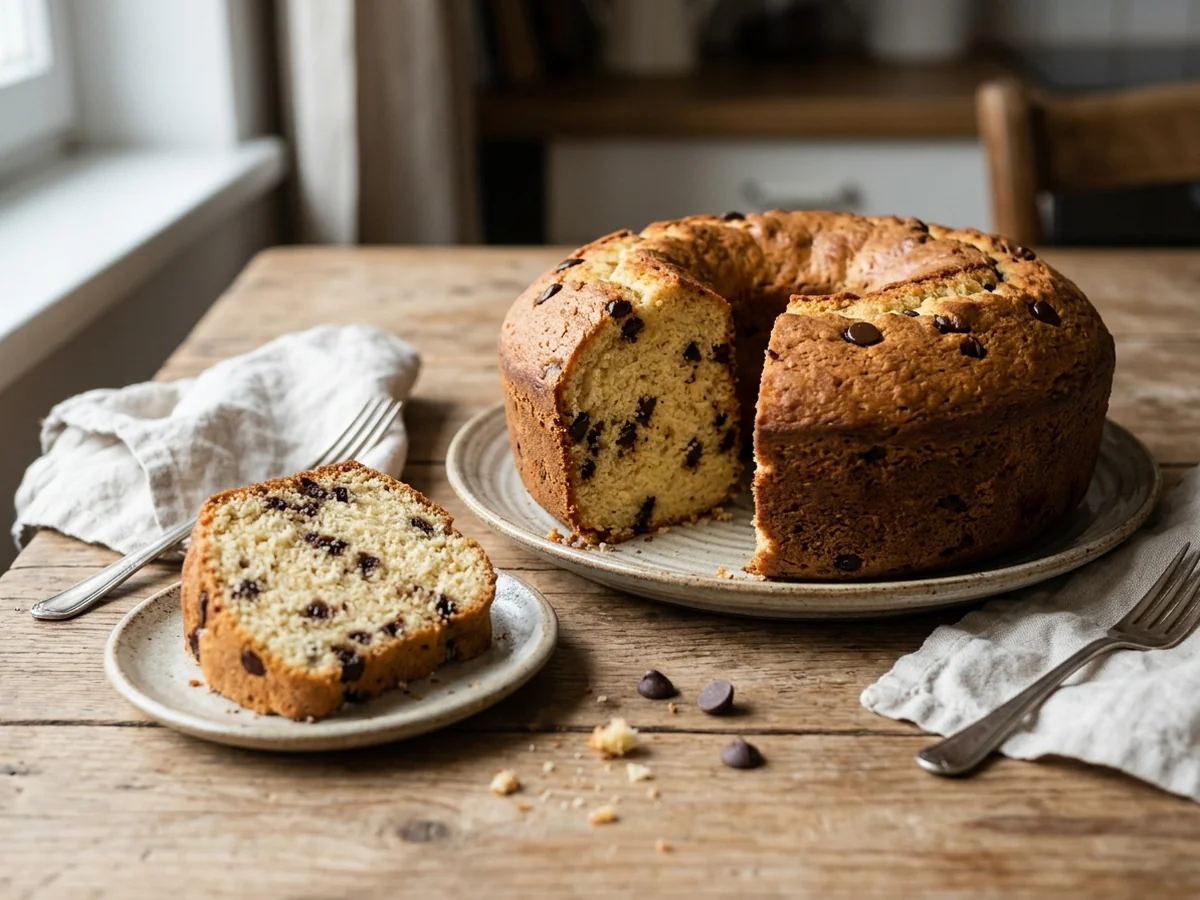
This beloved treat is essentially a traditional sponge or butter cake base that gets a flavorful upgrade from folded-in chocolate inclusions. By taking a reliable, tender crumb and introducing bits of semisweet chocolate, you create a contrast between the light, airy structure of the sponge and the decadent, melting pockets of cocoa. Home bakers appreciate this dessert for its versatility, serving as a reliable option for casual weeknight snacking while maintaining enough charm to act as a centerpiece for birthdays.
Mastering the Batter
When preparing an easy chocolate chip cake from scratch, the foundation relies on standard pantry staples like all-purpose flour, baking powder, and room temperature butter. Proper emulsification is key. When you beat your butter and sugar until the mixture is pale and fluffy, you incorporate air that helps the crumb rise. Once the wet ingredients are integrated, gently folding in your chocolate ensures the batter remains light. For those seeking depth, common culinary guidance suggests that olive oil can be used as a fat component to enhance the chocolate flavor, often resulting in a more tender crumb than butter alone.
Preventing Sinking Chips
A frequent challenge for home bakers is how to keep chocolate chips from sinking in cake. If your batter is too thin, the chips will naturally migrate to the bottom during the baking process. To improve suspension, toss your semisweet chocolate chips in a small portion of your dry flour before folding them into the batter. This light coating creates friction, helping the inclusions stay distributed throughout the dessert as it sets. Furthermore, choosing mini chocolate chips instead of standard sized ones can significantly reduce sinking due to their lighter weight.
Texture and Ingredient Variations
Your choice of ingredients determines the final profile of your dessert. While a standard base is satisfying, some bakers prefer a double chocolate chip cake by incorporating Dutch-processed cocoa powder into the dry mix for a more intense profile. When considering a frosting, some recipes experiment with dairy or sour cream additions for a rich finish. Regardless of your chosen recipe, using fresh leavening agents is essential to ensure your dessert achieves the proper lift and structure before the inclusions settle.
Chocolate Chip Cake Ingredients
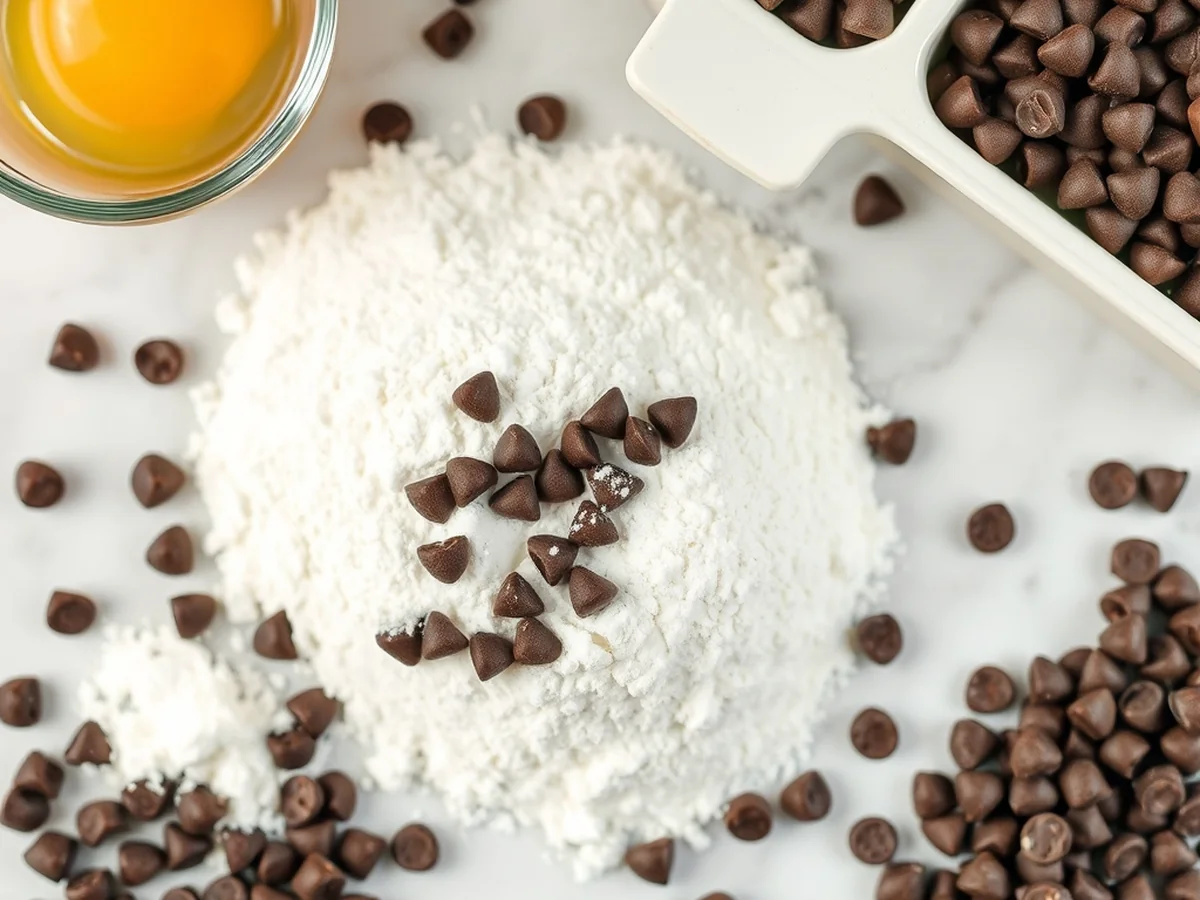
The foundation of a successful chocolate chip cake relies on specific ingredients that balance structure, leavening, and flavor. Choosing the right components ensures your cake has a tender crumb and consistent rise while properly supporting the weight of your chocolate inclusions.
- Baking powder serves as a vital leavening agent by creating gas bubbles within the batter, which allows the cake to achieve a light and airy rise as it bakes.
- Using room temperature butter is essential for proper emulsification, as this allows the fat to trap air effectively during the creaming process and create a stable structure.
- All-purpose flour provides a reliable, sturdy crumb, whereas opting for a specialized cake flour may yield a more delicate, fine-textured result depending on your preference.
- Incorporating olive oil into the batter is a common practice that many bakers use to add depth and enhance the natural flavor profile of the chocolate.
Temperature plays a significant role in how your ingredients interact. When butter is left out until it reaches room temperature, it becomes soft enough to beat into a smooth, aerated mixture with sugar. If your butter is too cold, it will not trap air properly, leading to a dense cake. Conversely, melted butter changes the texture entirely by preventing this essential aeration.
The type of flour you select dictates the final strength of your crumb. All-purpose flour contains a moderate protein level that creates a strong enough base to hold chocolate chips in suspension. If you are looking for the best cake flour for chocolate cake, keep in mind that its lower protein content will result in a softer, more fragile crumb that requires careful handling. Balanced fat sources also contribute to the overall mouthfeel. While butter provides a rich, classic flavor, using olive oil creates a unique, subtle complexity that highlights the cocoa notes in your chocolate chips. By carefully selecting these staples, you can achieve a professional result in your own kitchen.
Keeping Chips Suspended
Chocolate morsels sink to the bottom of the pan because they are denser than the surrounding batter. As the oven heats the mixture, the batter remains liquid for a period before the leavening agents and proteins set the structure. If the batter is too thin or the inclusions are too heavy, gravity pulls the pieces down before the crumb can firm up around them. Understanding how to keep chocolate chips from sinking in cake relies on creating a more viscous environment or reducing the weight of the additions.
Coating your inclusions in a light dusting of flour is a common technique to improve their grip within the batter. By tossing the morsels in a tablespoon of your dry ingredients before folding them into the mixture, you create a textured surface that clings to the batter rather than sliding through it. Make sure to shake off any excess flour before adding them, as too much extra powder can potentially dry out the surrounding crumb.
Choosing the right size of chocolate also plays a significant role in maintaining an even distribution throughout your bake. Mini chips offer a distinct advantage over regular sized pieces because their lower individual weight makes them less prone to falling. Because they are smaller, they disperse more easily throughout the batter and stay suspended more effectively as the cake rises. If you prefer the look and flavor of standard morsels, you can achieve similar results by ensuring your batter is sufficiently thick or by folding them in at the very last moment to prevent overworking the mixture.
- Ensure your batter is at the correct thickness before folding in mix-ins.
- Avoid over-mixing the batter after adding the chocolate to keep the structure stable.
- Consider swapping regular morsels for mini varieties if you struggle with sinking.
- Use room temperature butter to ensure proper emulsification, which supports a sturdier crumb.
Mixing Chocolate Chip Batter
Creating a moist chocolate chip cake from scratch relies on the delicate balance of how you combine your ingredients. You achieve a tender crumb by mixing your wet and dry components until just incorporated, stopping the moment no streaks of flour remain. Overworking the batter develops excess gluten, which turns a light, airy treat into a tough and dense structure. Using a stand mixer on low speed provides the most consistent results, as this gentle mechanical action allows for thorough emulsification without the risk of overbeating your leavening agents.
The Importance of Ingredient Sequencing
Follow this specific sequence to ensure your batter reaches the ideal consistency for a high-quality cake:
- Begin by creaming your room temperature butter with sugar until the mixture appears light and fluffy, which builds the necessary structure for the cake to rise.
- Add your eggs one at a time, allowing each to fully incorporate before introducing the next to maintain a stable emulsion.
- Alternate adding your dry ingredients, such as all-purpose flour and baking powder, with your wet components in three batches, starting and ending with the flour mixture.
- Use a spatula to scrape the bottom of the bowl frequently, ensuring no pockets of dry ingredients remain hidden beneath the surface.
- Fold in your semisweet chocolate chips by hand at the very end to prevent them from breaking apart or bleeding into the batter.
Techniques for Better Texture and Flavor
If you prefer to enhance the richness of your final product, common guidance suggests that substituting a portion of the fat with olive oil can deepen the chocolate flavor profile. Always keep your speed setting low during the final stages of mixing to preserve the air bubbles captured during the initial creaming phase. Taking these small precautions protects the delicate crumb and ensures your finished product remains moist and inviting.
Managing Chocolate Chip Suspension
A common hurdle when baking this easy chocolate chip cake from scratch is ensuring the chips remain evenly distributed throughout the batter. Chips often sink to the bottom if the batter is too thin or if the oven temperature is inconsistent. To minimize this, toss your chocolate chips in a tablespoon of flour before folding them into the final batter. This light coating helps the chips grip the surrounding cake structure, keeping them suspended as the cake sets during the initial stages of the bake.
Best Frosting for Cake
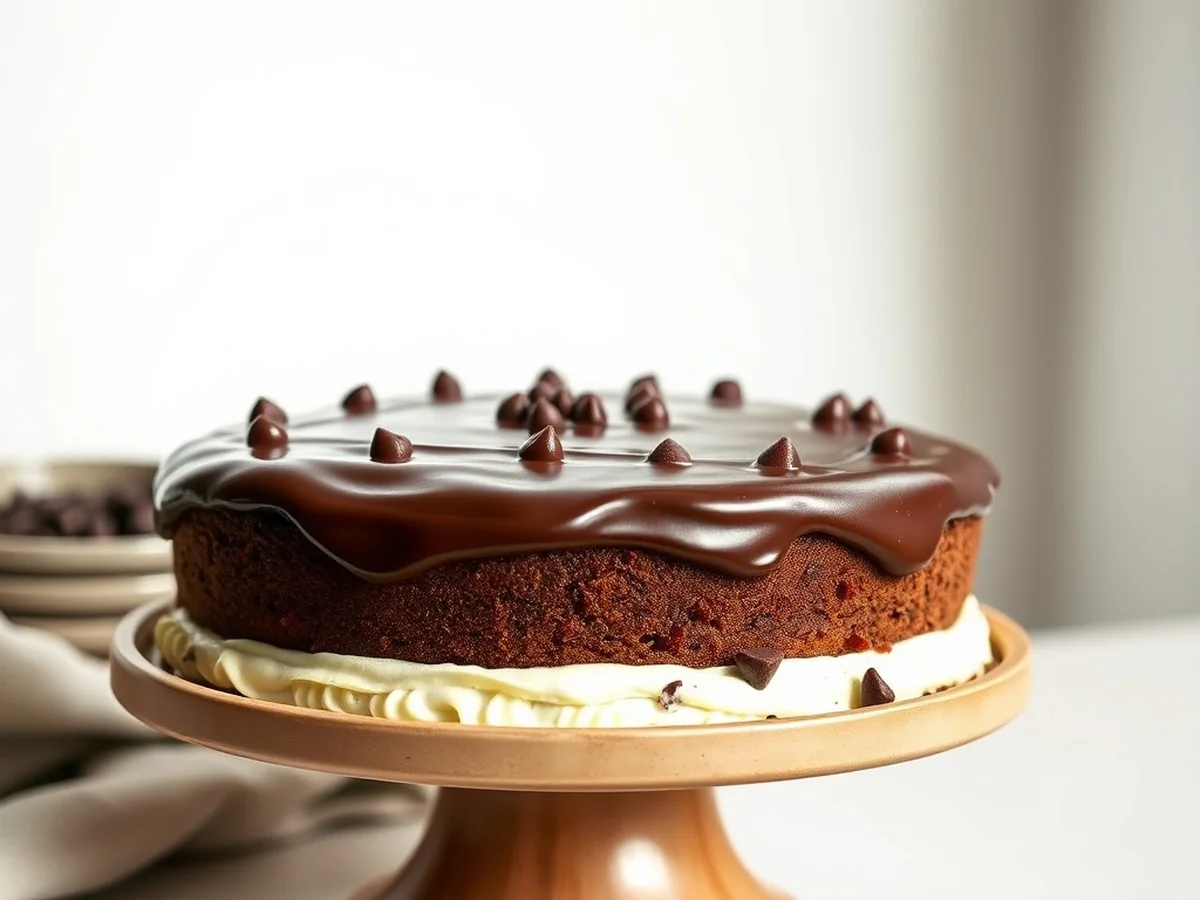
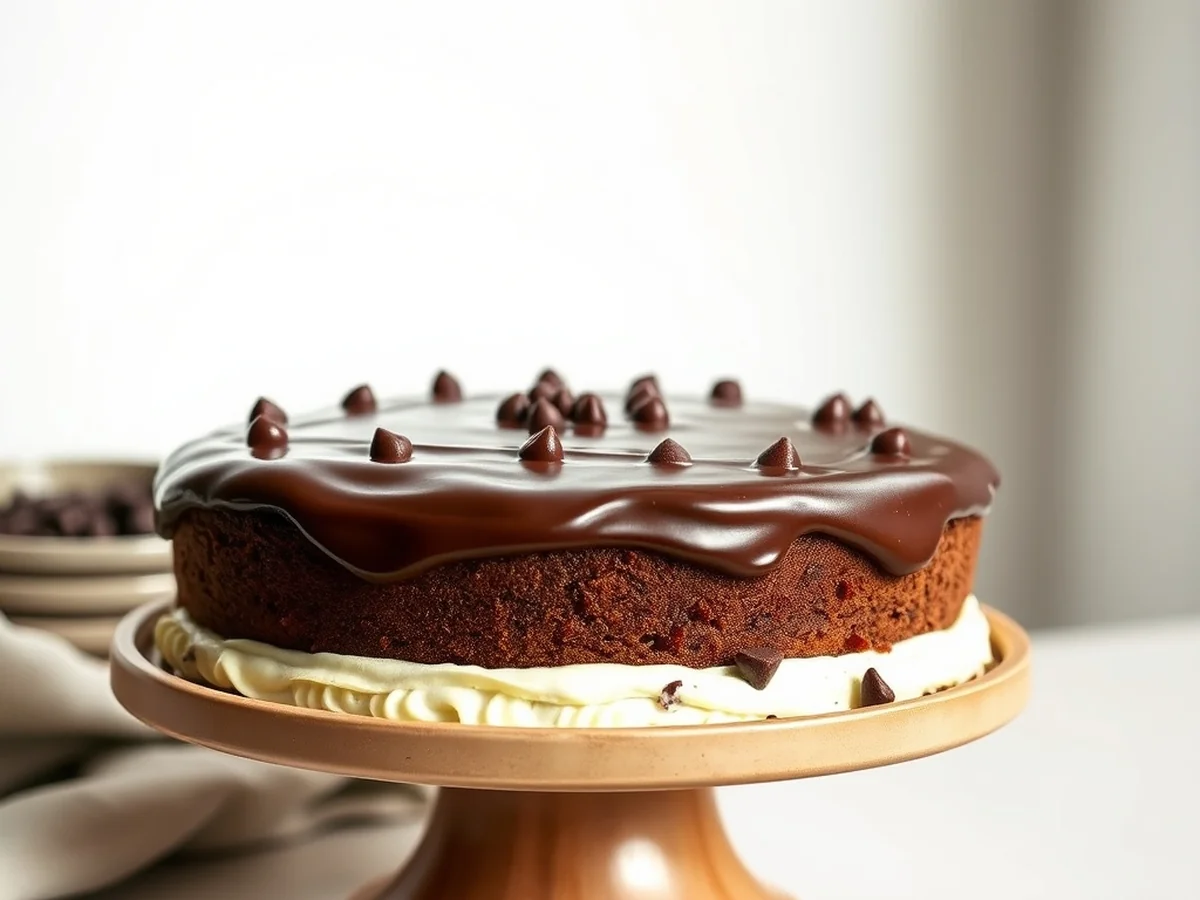
The best frosting for a chocolate chip cake balances the richness of the batter with a smooth or stable finish. A classic ganache provides a glossy, decadent layer that complements the texture of the cake, while buttercream offers a sturdier structure for stacking or piping.
When selecting your frosting base, consider how the texture will interact with the crumb. A ganache made from chocolate and cream creates a silky, melt-in-the-mouth consistency that absorbs slightly into the top of the cake. Butter-based frostings, by contrast, whip up to be light and aerated, offering a firmer bite that holds its shape at room temperature. Sour cream is often used as a base for a tangy, creamy frosting that provides a softer, non-rigid finish compared to standard sugar-heavy glazes.
Melting chocolate for your frosting requires careful temperature control to avoid seizing. Seizing occurs when small amounts of moisture contact melting chocolate, causing the cocoa solids and sugar to clump into a grainy, unworkable mass. To prevent this, follow these guidelines:
- Use a double boiler or a heat-safe bowl set over barely simmering water to ensure gentle, indirect heat.
- Ensure all equipment, including your spatula and bowl, is completely dry before beginning.
- Avoid overheating the chocolate, as high temperatures can scorch it and ruin the final texture.
- Add your liquid ingredients, such as cream or sour cream, slowly and at a similar temperature to the melted chocolate to maintain a smooth emulsion.
If you prefer a deeper flavor profile, common baking guidance suggests that incorporating a small amount of olive oil into your chocolate components can help enhance the natural cocoa notes. Always stir your mixture consistently while melting to distribute heat evenly and prevent hot spots. By managing your heat source and keeping your tools moisture-free, you will achieve a professional finish every time.
Avoid Chocolate Chip Cake Failures
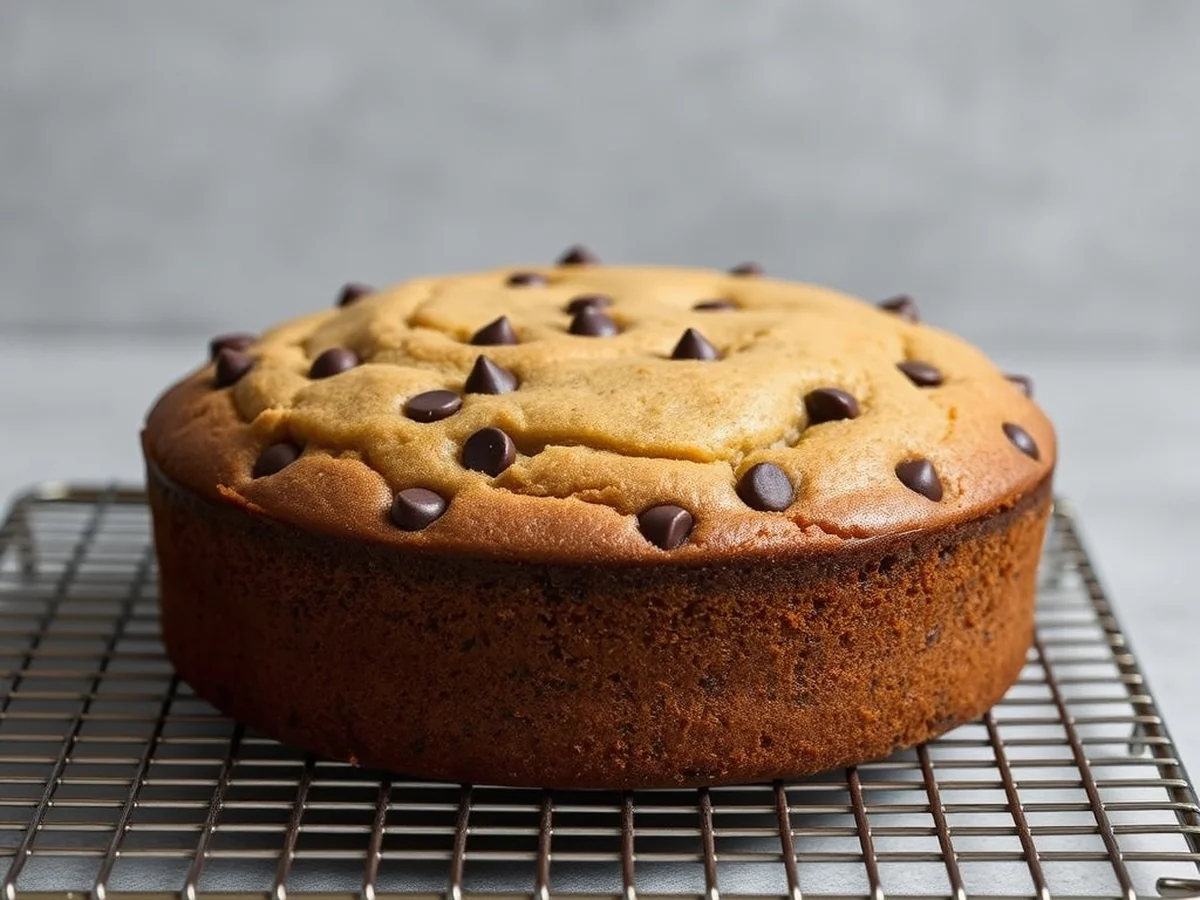
You can prevent most baking mishaps by maintaining proper ingredient temperatures and following consistent cooling practices. Simple adjustments to your process ensure the batter remains stable and the final structure holds up perfectly once removed from the heat.
- Ensure your butter and eggs reach room temperature before mixing to prevent the emulsion from breaking, which otherwise leads to a dense or greasy crumb.
- Monitor your oven closely during the bake, as temperature fluctuations can cause the center of the dessert to collapse or rise unevenly.
- Avoid the temptation to frost your creation while it is still warm, as this causes the topping to melt and slide right off the sides.
- Let the pan sit on a wire rack until it feels cool to the touch, allowing the internal structure to set properly before you attempt to decorate.
- Consider incorporating a small amount of olive oil into your fat blend, which is a common practice to enhance the depth of flavor in the cocoa components.
When you start with ingredients at the right temperature, the leavening agents work more effectively to create a uniform rise. Cold components often result in a curdled batter, which prevents the air bubbles from expanding correctly in the oven. Taking the extra time to plan ahead for these temperature requirements makes the difference between a flat, heavy texture and a light, professional result.
Maintaining a stable oven environment also protects the delicate balance of your recipe. If the heat drops suddenly when you open the door too often, the structure will not have the support it needs, potentially leading to a sunken middle. Trust your oven thermometer to ensure you stay at the target temperature throughout the entire baking duration. Once the timer dings, the cooling phase is just as critical as the mixing stage. Patience at this final step ensures that your hard work remains intact and ready for a beautiful finish.
Storing Chocolate Chip Cake
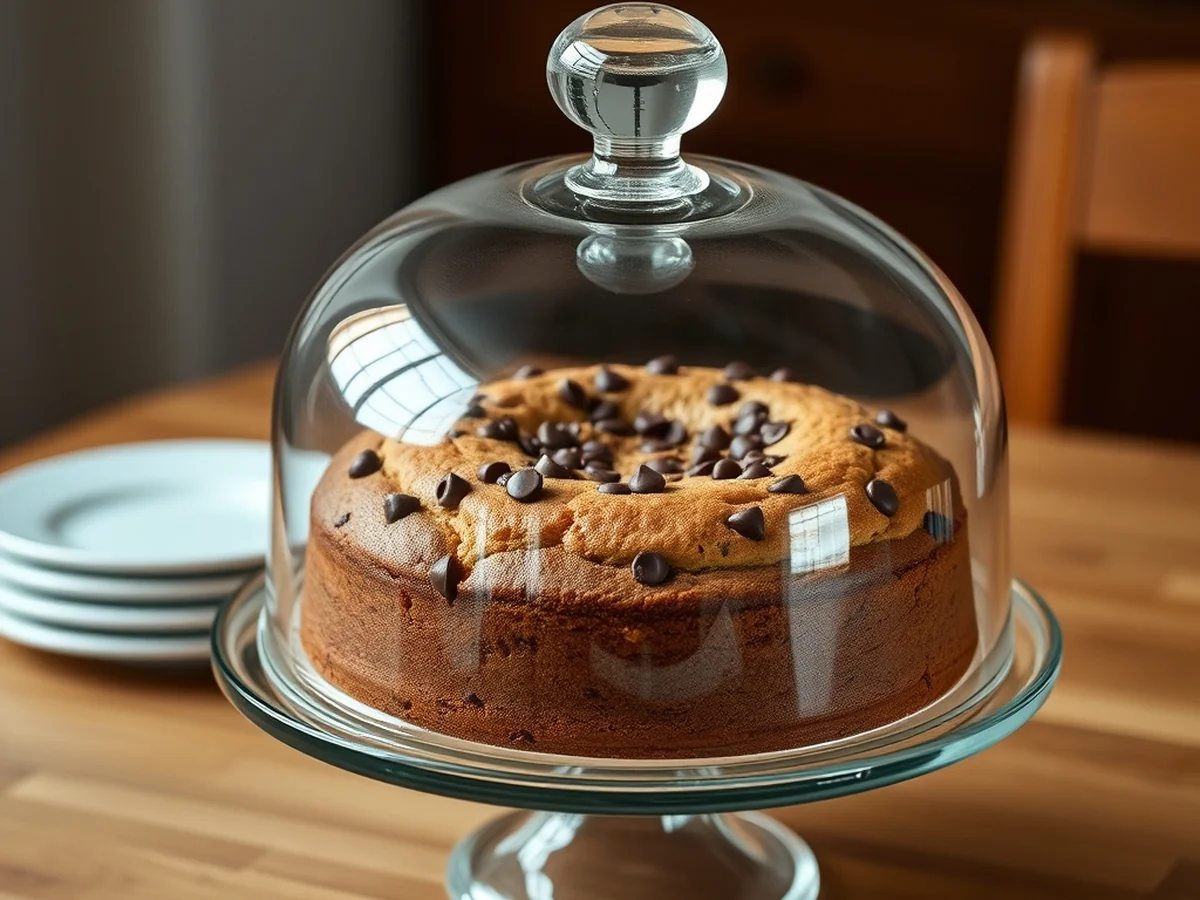
When you put effort into baking a delicious treat, proper storage is the final step to ensuring every slice tastes just as good as the first. The foundation of your bake, particularly the fat source, dictates how it handles storage. Cakes made with oil generally retain a tender, moist crumb for longer periods because oil remains liquid at room temperature. In contrast, recipes relying solely on butter may firm up significantly once cooled or refrigerated, as the butter solidifies. Some bakers find that using olive oil as a portion of the fat component can subtly enhance the depth of the chocolate flavor while maintaining that desirable soft texture.
Protecting Sliced Cake
Once you cut into your dessert, the exposed crumb becomes vulnerable to moisture loss. Air circulation is the primary enemy of a fresh sponge, causing the edges to dry out and turn stale. To maximize shelf life, press a piece of plastic wrap or wax paper directly against the cut surface of the sponge. This creates a physical barrier that traps moisture where it is needed most. After shielding the cut side, place the remaining portion in an airtight container. If you do not have a container large enough, a dedicated cake dome is an excellent tool for keeping the environment stable and preventing the dessert from absorbing unwanted odors from other items in your kitchen.
Refrigeration and Freezing Best Practices
While many people default to the refrigerator for all leftovers, it is not always the ideal environment for flour-based desserts. Cold temperatures can actually accelerate the staling process by causing starches to recrystallize. You should only refrigerate your dessert if it includes a perishable filling or a delicate frosting that requires temperature control for safety.
Storage Guidelines
- Keep at room temperature: Store your dessert in a cool, dry area away from direct sunlight for up to three days.
- The refrigerator rule: If you must refrigerate, allow the item to return to room temperature before serving. This allows the fats to soften, restoring the intended texture and flavor profile.
- Freezing for later: For longer storage, slice the chocolate chip cake into individual portions. Wrap each piece tightly in plastic wrap followed by a layer of foil. This double protection prevents freezer burn and allows you to enjoy a treat for up to one month.
- Avoid humidity: Always keep your container sealed tightly to prevent the dessert from absorbing environmental moisture, which can ruin the texture of the chocolate chips.
Chocolate Chip Cake Variations
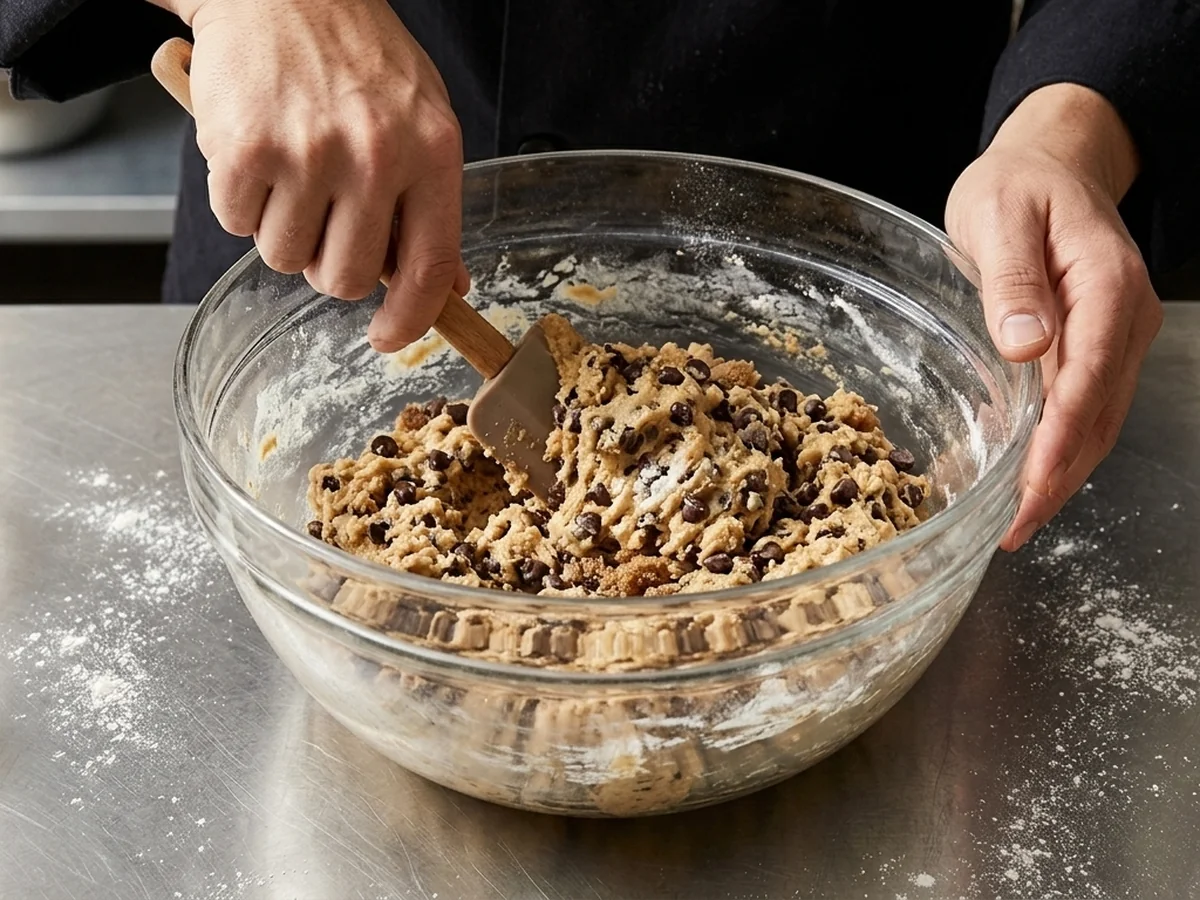
Creating a double chocolate chip cake starts by substituting a portion of your all-purpose flour with high-quality cocoa. A good rule of thumb is to replace about one-quarter of the dry flour measurement. Because cocoa powder has a drying effect on the crumb, bakers often incorporate a liquid fat, such as olive oil, which is commonly used to enhance the deep flavor profile while ensuring the final result remains moist.
Understanding Cocoa Chemistry
When selecting your cocoa, remember that Dutch-processed cocoa powder is treated with alkali to neutralize natural acidity. This process produces a darker, richer color compared to natural cocoa. However, because it lacks acidity, it will not react with baking soda. If your recipe relies on baking soda as the primary leavening agent, you may need to supplement it with baking powder to ensure the dessert rises properly. If you are aiming for a specific crumb density, choose the best cake flour for chocolate cake, as its lower protein content can lead to a more tender texture.
Refining Your Batter
To keep chocolate chips from sinking in cake, ensure your batter is sufficiently thick. Tossing the chips in a small amount of flour before folding them into the mixture can also help with even suspension. If you are looking for a more breakfast-friendly version, consider these modifications to boost the nutritional profile:
- Substitute half of the all-purpose flour with a protein-fortified flour blend or oat flour.
- Replace a portion of the sugar with Greek yogurt to add moisture and a boost of protein.
- Whisk egg whites separately before folding them into the batter to add volume without extra fat.
- Use mini chocolate chips instead of standard semisweet chocolate chips to ensure they stay distributed throughout the batter rather than settling at the bottom.
When finishing your baked treat, you might experiment with different textures. While some home bakers use a mixture of chocolate chips and sour cream to create a unique topping, keep in mind that results can vary significantly regarding how the glaze or finish sets. Plan your presentation accordingly if you intend to stack or transport the dessert.
FAQ
What is a chocolate chip dessert?
A chocolate chip dessert is a standard butter or oil-based cake batter enriched with semisweet chocolate chips. It combines the structure of a classic sponge or pound cake with the texture and flavor intensity of scattered chocolate morsels.
Can I put chocolate chips in a cake batter?
You can definitely add chocolate chips to your batter, though they often sink to the bottom if the mixture is too thin. To help keep them suspended, try tossing the chips in a small amount of flour before folding them into the batter just before baking.
How do I make a simple chocolate chip dessert?
Making an easy chocolate chip dessert from scratch involves creaming your room temperature butter and sugar, then alternating the addition of dry ingredients like all-purpose flour and leavening agents with your wet ingredients. Once the batter is smooth, gently fold in your chocolate chips and bake until a toothpick comes out clean.
Can you make a chocolate cake using chocolate chips?
While you can use chips to create a double chocolate chip dessert by melting them into the batter, most recipes rely on Dutch-processed cocoa powder for the deep flavor base. If you want to boost the chocolate profile, common guidance suggests using olive oil as part of the fat component to enhance the richness of the cocoa.
What is the best way to prevent chocolate chips from sinking?
Ensuring your batter is thick enough to support the weight of the chips is the most effective way to keep them distributed. If you find your chips consistently head for the bottom, ensure your leavening agents are fresh and avoid over-mixing the batter after adding the chips.
Conclusion
Your next step is to gather your ingredients and decide whether you prefer a butter-based crumb or the subtle, flavor-enhancing qualities of olive oil, which is often used as a fat component to enhance chocolate flavor in cakes. Once you have selected your preferred fat, you are ready to begin whisking your batter and preparing your pans for the oven. Baking a perfect dessert is all about balancing the richness of the cocoa with the texture of the chips throughout the crumb. Take your time folding in those semisweet morsels to ensure they stay suspended, and you will have a delicious treat ready to enjoy in no time.
You might also like: Cranberry Orange Cookies Recipe