Strawberry Cold Foam Recipe
Introduction
You can create strawberry cold foam at home using a few simple ingredients and a standard frothing tool. Preparing strawberry cold foam requires blending milk and heavy whipping cream with your choice of fruit flavoring to achieve a thick, stable, and creamy consistency.
This article covers the essential techniques for balancing texture and flavor, including common ratios for success and tips on selecting the right equipment. You will learn how to troubleshoot common issues with foam density, choose between fresh puree or freeze-dried powder, and ensure your final topping remains food-safe according to the FDA Food Code by keeping ingredients at or below 40 degrees Fahrenheit. Whether you are using a handheld milk frother or an immersion blender, these instructions help you craft a professional-style coffee topper that elevates your morning routine.
How to Make Strawberry Cold Foam
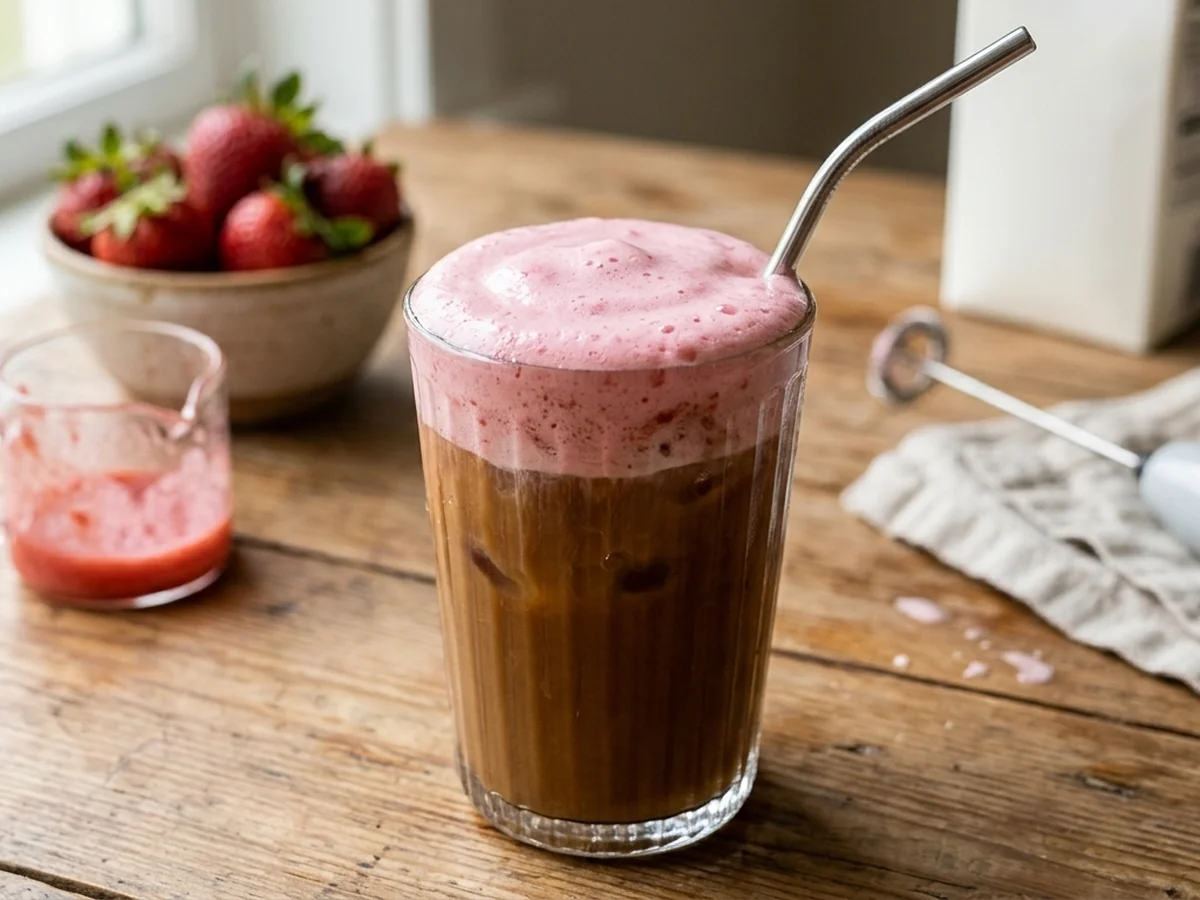
You can create this popular cafe style beverage topping by aerating a mixture of dairy and fruit flavorings until it reaches a light, frothy consistency. This specialty layer is prized for its velvet texture and ability to sit atop iced drinks without melting away immediately. To ensure food safety, keep your ingredients at or below 40 degrees Fahrenheit during preparation and storage, as directed by the FDA Food Code.
The rise in popularity of bespoke coffee drinks has driven a significant shift toward DIY coffee craft at home. Many people now prefer to control the quality of their ingredients rather than relying on expensive shop versions. By mastering a few simple techniques, you can easily replicate the professional results found in premium coffee houses using basic kitchen tools.
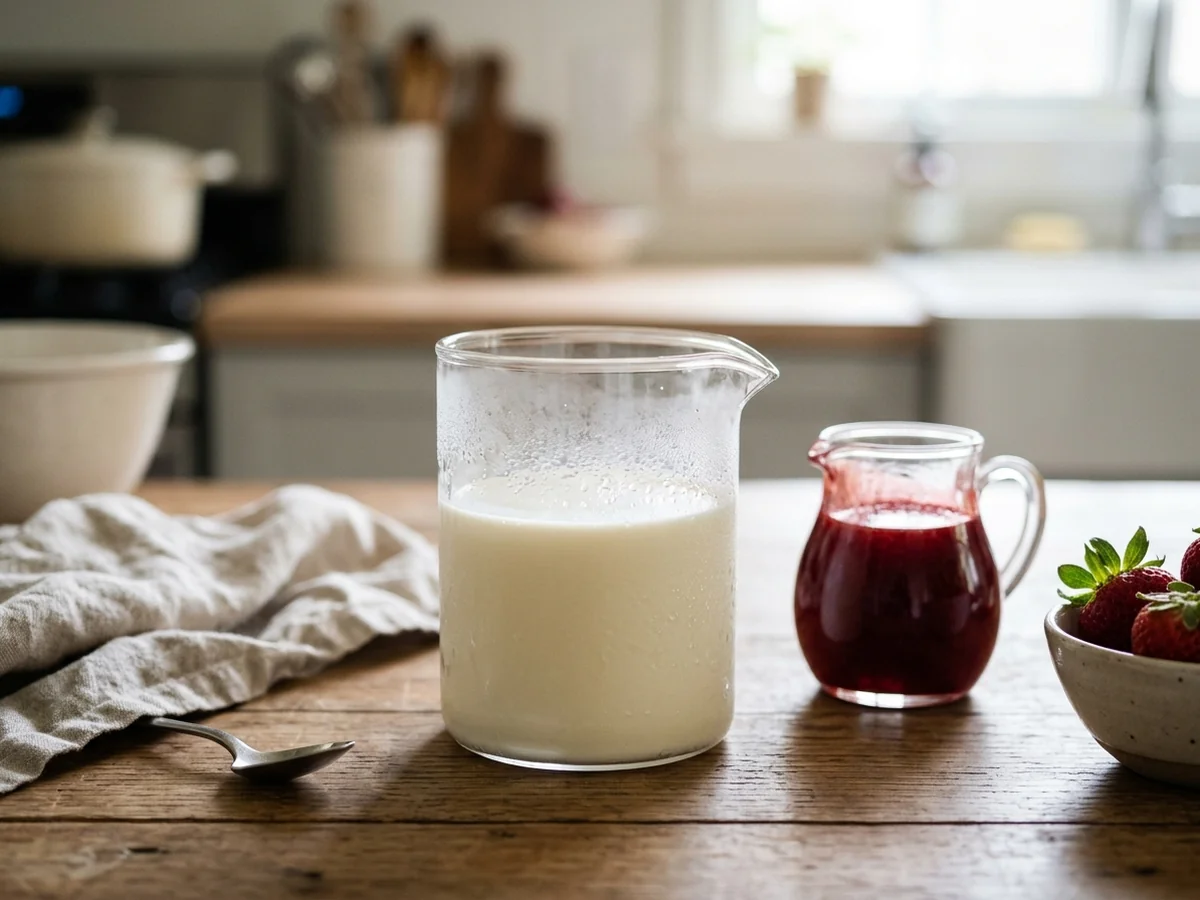
Achieving the right consistency often relies on specific ratios and ingredient choices. Common guidance suggests a 3-2-1 rule when balancing your liquids, which involves using three parts milk, two parts heavy whipping cream, and one part flavoring. The inclusion of heavy whipping cream is widely considered essential for creating a stable, frothy texture that holds its structure. Traditional preparation methods skip the heating step entirely to maintain that signature thick, creamy mouthfeel.
Flavoring your creation effectively is the final step in the process. While you might use fresh fruit, common guidance suggests that using powdered freeze-dried strawberries often results in a more concentrated color and flavor than liquid syrup. This method also minimizes the risk of unwanted texture changes in your finished topping. Whether you use a handheld milk frother or an immersion blender, the goal is to introduce enough air to transform your liquid base into a stable, airy crown for your coffee.
- Ensure all dairy components are chilled thoroughly before you begin whipping.
- Start your frother on a lower speed to integrate the strawberry powder before increasing to high.
- Avoid over-whipping, as this can turn your delicate topping into a thicker, butter-like consistency.
- Apply the finished layer immediately after preparation to enjoy the best contrast against your iced beverage.
Essential Ingredients and Ratios
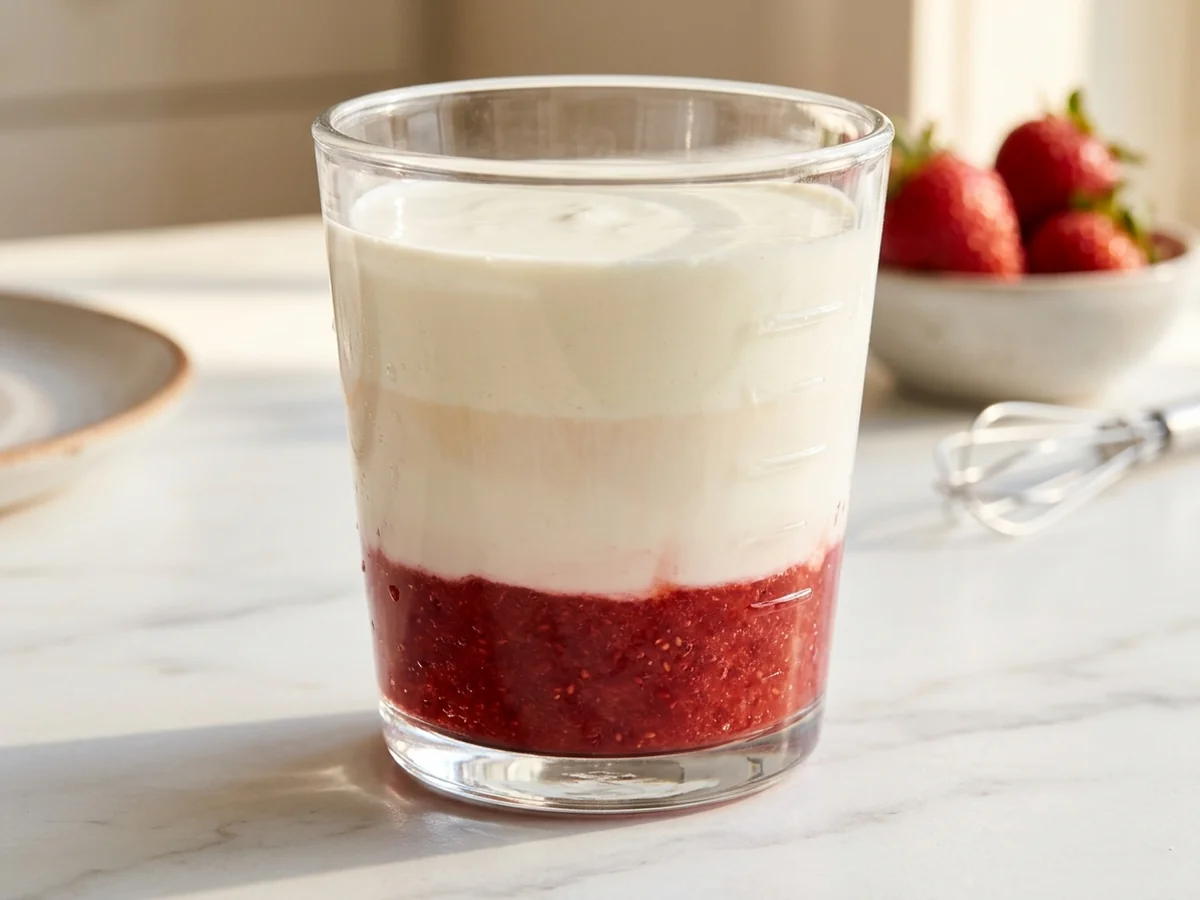
Mastering this topping requires an understanding of how dairy components interact with flavor additives. Many home baristas use the 321 rule as a reliable starting point for consistency. This approach suggests a ratio of 3 parts milk, 2 parts heavy whipping cream, and 1 part flavoring. While this ratio provides a stable base for an easy strawberry coffee topper, you may need to adjust the volume of the flavoring depending on the water content of your specific ingredients.
The Role of Dairy and Temperature
Heavy whipping cream is often used for its ability to create a stable, frothy texture that holds its structure when layered over cold brew coffee. The fat content in the cream helps to trap air bubbles during the frothing process. For food safety, the USDA Food Safety and Inspection Service advises that all dairy components must be kept at or below 40 degrees Fahrenheit. Maintaining this temperature is a safety requirement, and keeping dairy cold also helps it aerate efficiently, whether you are using a handheld milk frother or an immersion blender.
Selecting Your Strawberry Flavor
The method you choose to incorporate fruit flavor significantly impacts both the texture and the intensity of your foam. When learning how to make strawberry cold foam at home, consider these two primary approaches:
- Freeze-Dried Strawberry Powder: Using pulverized freeze-dried strawberries is a common practice to achieve a concentrated color and intense fruit flavor. Because this method adds very little liquid, it is less likely to dilute your mixture, helping it maintain a thick, creamy consistency.
- Strawberry Puree: Using a strawberry cold foam recipe with puree provides a fresh, vibrant taste. Because puree has a higher water content than powder, it may alter the density of the final result. You may need to slightly increase your ratio of heavy cream if you find the mixture becoming too thin.
Troubleshooting Common Texture Issues
If your foam fails to thicken or collapses quickly, the most common culprit is temperature. If the dairy is not properly chilled, it will struggle to hold the air necessary for a stable structure. Additionally, if you are experimenting with non-dairy alternatives, keep in mind that the protein content of the milk is often a deciding factor in how well it incorporates air. If you find yourself frequently adjusting your recipe, start by ensuring your equipment is clean and your dairy is pulled directly from the refrigerator at the moment of preparation.
Selecting Your Equipment
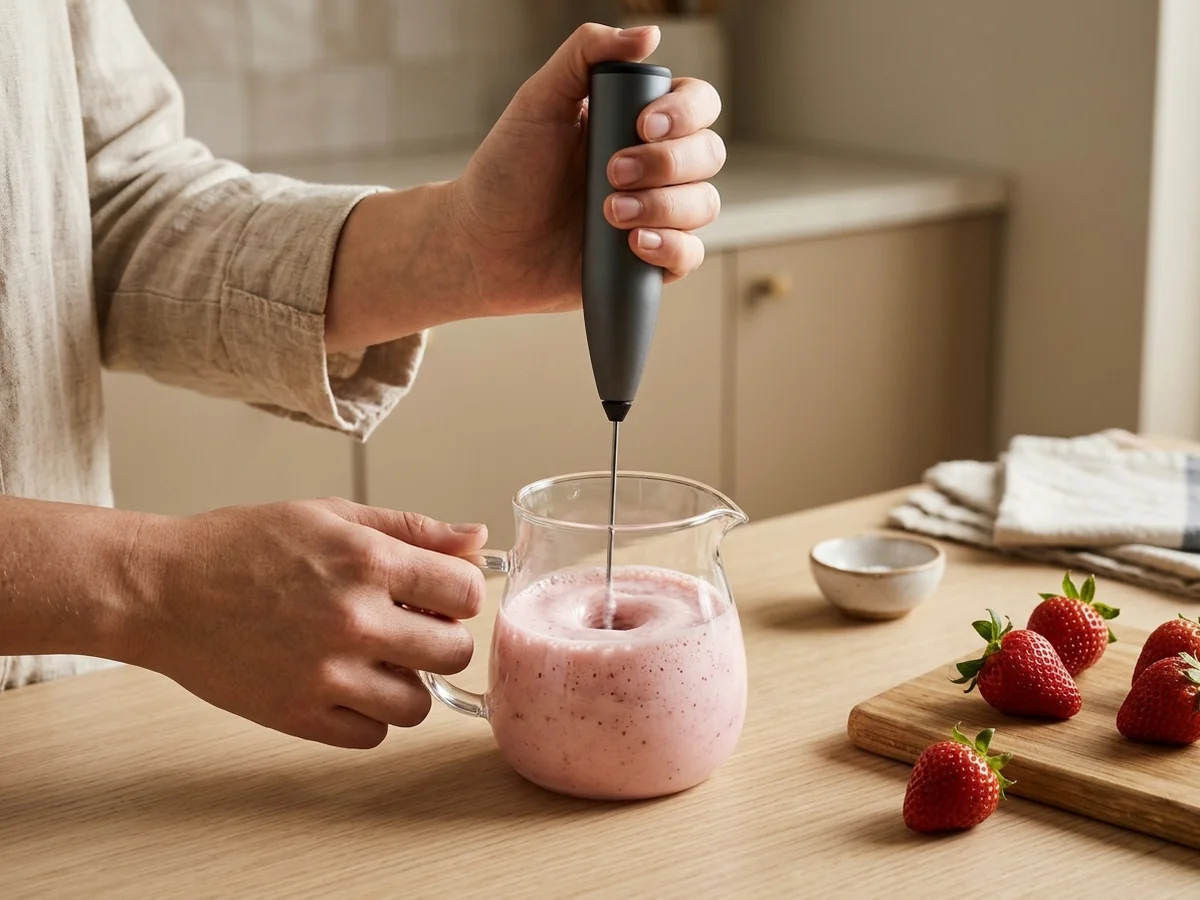
Choosing the right tool to create your strawberry cold foam depends primarily on your batch size and the specific ingredients you choose to incorporate. Whether you are crafting a single easy strawberry coffee topper for your morning brew or preparing a larger volume for guests, the mechanics of aeration remain consistent.
Matching Tools to Batch Size
For single servings, a handheld milk frother is often the most practical choice. These compact devices are designed for precision, allowing you to whip small amounts directly in a glass or pitcher with minimal cleanup. If you are experimenting with a strawberry cold foam recipe with puree, the handheld wand provides enough agitation to combine liquids efficiently without over-aerating the base.
When scaling up, an immersion blender becomes a more effective asset. The larger blade assembly and increased motor torque allow for faster, more uniform incorporation of air into denser mixtures. This is particularly helpful when using freeze-dried strawberry powder for foam, as the blender can quickly disperse the fine particles throughout the dairy and heavy whipping cream without leaving clumps behind.
Temperature and Stability
Regardless of the equipment used, temperature control is the most critical factor in achieving a stable, frothy texture. Cold foam is traditionally prepared without heat, as the whipped structure relies on the physical properties of chilled dairy. If the mixture is too warm, the heavy whipping cream will fail to hold its structure, resulting in a thin, runny liquid rather than a stable, frothy layer.
To ensure food safety and the best physical results, the United States Department of Agriculture mandates that dairy products must be kept at or below 40 degrees Fahrenheit. Maintaining this temperature range prevents the mixture from entering the danger zone where bacteria can grow rapidly. A simple way to manage this at home is to chill your mixing container or pitcher in the refrigerator for at least fifteen minutes before you begin.
Common Preparation Tips
While techniques vary, many enthusiasts follow the 321 rule for cold foam as a starting point. This guideline suggests using 3 parts milk, 2 parts heavy cream, and 1 part flavoring to achieve a balanced consistency. When selecting your base, remember that the best milk for cold foam often depends on your preference for creaminess, though heavy whipping cream is commonly cited as essential for building a lasting, stable froth that sits well on top of cold brew coffee.
| Equipment | Best Use Case | Primary Benefit |
|---|---|---|
| Handheld Frother | Single serving | Easy cleanup and precision |
| Immersion Blender | Batch preparation | Faster, more powerful aeration |
- Always keep ingredients at 40 degrees Fahrenheit or below to meet food safety standards.
- Use chilled equipment to help maintain the structural integrity of the whipped cream base.
- Avoid heating the mixture, as the foam requires cold temperatures to maintain its density.
Step by Step Preparation
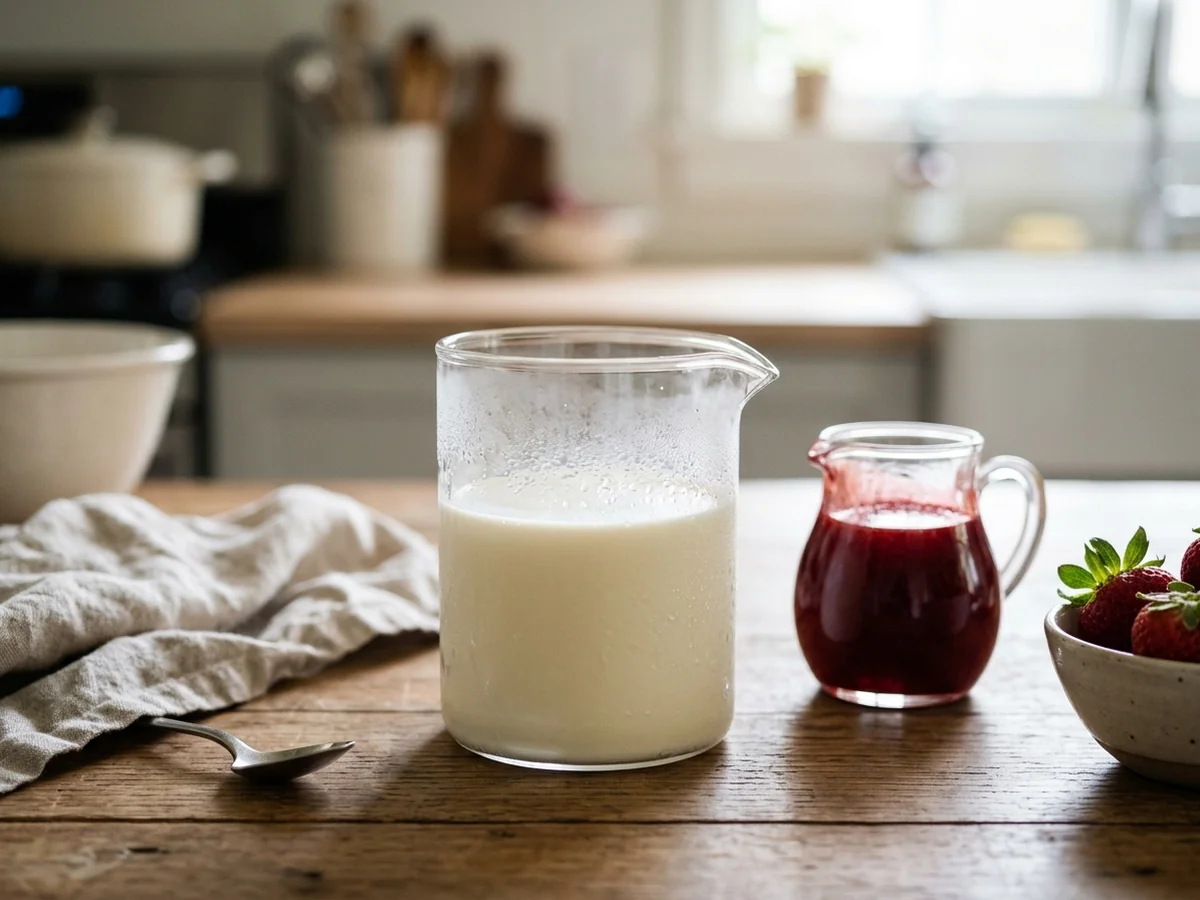
Creating professional-quality strawberry cold foam requires careful attention to ingredient ratios and consistent aeration techniques. To ensure the best results for your easy strawberry coffee topper, follow these foundational steps.
- Combine your chosen milk and heavy whipping cream in a chilled vessel. A common practice is the 321 rule, which suggests using 3 parts milk, 2 parts heavy cream, and 1 part flavoring to achieve a balanced consistency.
- Add your chosen flavoring to the dairy base. Using powdered freeze-dried strawberries is often preferred for a more concentrated color and flavor intensity compared to liquid syrups or fresh purees.
- Ensure your mixture remains at or below 40 degrees Fahrenheit throughout the preparation process, as mandated by the FDA Food Code for safe food handling. Keeping your ingredients chilled is essential for maintaining the structure of the foam.
- Submerge your handheld milk frother or immersion blender into the liquid. Start at the bottom of the vessel to ensure the strawberry flavoring is fully incorporated into the dairy before aeration begins.
- Lift the frother slightly toward the surface of the liquid to introduce air. Continue this motion until the mixture reaches a thick, velvety volume.
- Tilt your glass of cold brew coffee at a slight angle and slowly pour the finished strawberry cold foam down the side of the container to create a clean, layered aesthetic.
Understanding Foam Stability
Heavy whipping cream is widely considered essential for providing the stability needed for the foam to sit properly atop your drink. Cold foam is traditionally prepared without heat to maintain a thick, creamy consistency that layers well over chilled beverages. If the foam fails to thicken, ensure your equipment is operating at full speed and that the dairy temperature has not risen above the safety threshold.
Choosing Your Equipment
The tool you select often depends on the volume of foam you intend to create. Handheld milk frothers are highly convenient for single servings, providing precise control for delicate layering. If you are preparing larger batches for multiple drinks, an immersion blender can be a more efficient choice for incorporating air into the dairy base rapidly. Regardless of the tool, consistency is the primary factor in achieving that signature dense texture.
When pouring, precision matters for the final presentation. By angling your glass, you prevent the foam from immediately sinking into the coffee, which allows for a distinct separation between the dark brew and the vibrant topping. This technique ensures every sip maintains that perfect balance of bold coffee flavor and creamy, fruit-infused sweetness.
Tips for Perfect Strawberry Foam
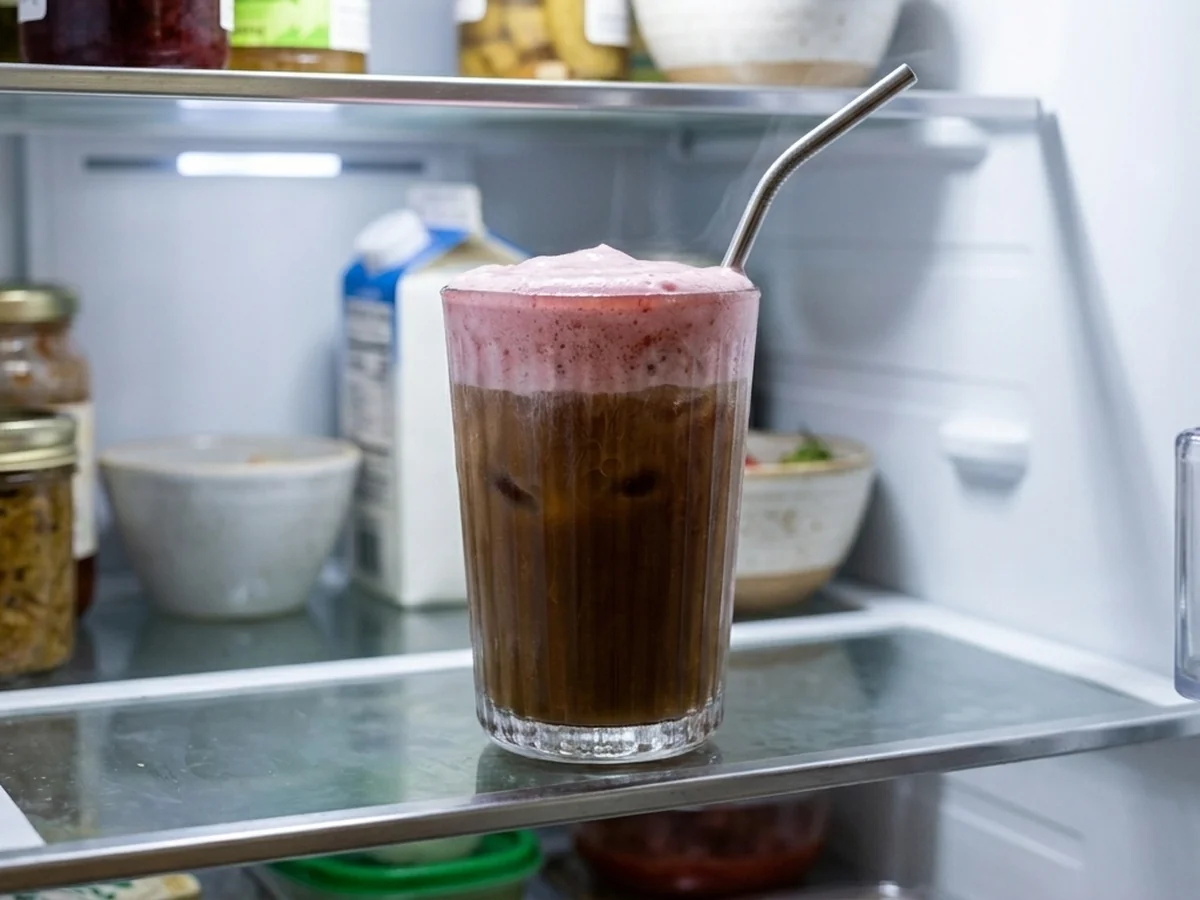
Creating a stable, cafe-quality strawberry cold foam at home requires a balance of proper temperature control, the right ingredient ratios, and careful preparation. Because foam is sensitive to its environment, following these culinary guidelines will ensure a thick, creamy consistency for your favorite iced beverages.
Temperature and Safety Guidelines
To ensure food safety, keep all dairy-based ingredients at or below 40 degrees Fahrenheit. This temperature threshold, aligned with the FDA Food Code, is essential to prevent the growth of harmful bacteria in perishable items. Furthermore, cold ingredients are physically necessary for the aeration process. When your dairy is chilled, the fat molecules remain solid and stable, which allows them to trap air bubbles effectively. If the mixture warms up during preparation, the bubbles lose their structure, leading to a thin, watery liquid that collapses almost immediately upon hitting your cold brew coffee.
Mastering the Ingredient Ratios
While recipes can vary, many home baristas rely on a common guideline known as the 321 rule. This approach suggests using three parts milk, two parts heavy whipping cream, and one part flavoring. Heavy whipping cream is generally considered essential for achieving that signature frothy texture, as its higher fat content provides the structural support needed for a dense, stable foam. If you are looking for a more concentrated color and flavor profile, using finely ground freeze-dried strawberry powder is a common practice that often outperforms liquid syrups. Unlike syrups, which can thin out the foam, the powder integrates without significantly altering the viscosity of the base.
Troubleshooting and Storage
Preparation techniques play a major role in the final quality of your strawberry cold foam. Whether you use a handheld milk frother or an immersion blender, ensure your equipment is completely clean and dry before starting. Any residue or water can interfere with the aeration process. When working with fruit-based additions, store your prepared base in a sealed, airtight container in the refrigerator. Fresh fruit mixtures are prone to degradation, so aim to use them within a few days to maintain the brightest flavor.
| Issue | Potential Cause | Solution |
|---|---|---|
| Foam is too thin | Ingredients are too warm | Chill the milk and cream thoroughly before whipping. |
| Mixture is buttery | Over-whipping | Stop the frother as soon as the mixture reaches a soft, airy peak. |
| Foam collapses quickly | Low fat content | Increase the ratio of heavy whipping cream to milk. |
By monitoring your temperatures and applying these consistent techniques, you can enjoy a reliable, professional-grade topper for your iced coffee drinks whenever the craving strikes.
Common Strawberry Foam Mistakes
Achieving the perfect consistency for strawberry cold foam requires attention to both ingredient selection and temperature management. Many home baristas encounter issues with foam that remains thin or fails to hold its shape. This is often linked to the physical properties of the dairy and the ambient conditions in which the foam is prepared.
Temperature and Safety
Maintaining the proper temperature is essential for both texture and food safety. Cold foam is traditionally prepared without heat to ensure the dairy proteins remain in a state that supports aeration. According to the FDA Food Code, all dairy components should be kept at or below 40 degrees Fahrenheit. If your ingredients warm up during the preparation process, the dairy proteins may struggle to bond effectively, resulting in a thin, watery layer rather than a stable, frothy topper for your cold brew coffee.
Balancing Texture and Flavor
The stability of your foam often depends on your base ingredients. While many recipes suggest various milk types, heavy whipping cream is commonly considered essential for creating a stable, frothy texture that lasts. If you find your mixture is not thickening as expected, verify that your cream is sufficiently chilled and properly incorporated.
| Additive Type | Texture Impact | Flavor Concentration |
|---|---|---|
| Fresh Puree | High moisture | Mild |
| Freeze-dried Powder | High stability | Intense |
Choosing the right strawberry medium is equally important for a successful result. Using powdered freeze-dried strawberries is common practice to create a more concentrated color and flavor compared to using liquid syrup. If the strawberry flavor feels too intense or overwhelming, you can adjust the ratio by increasing the proportion of milk relative to the flavoring agent. For those learning how to make strawberry cold foam at home, the 3-2-1 rule is often cited as a reliable starting point. This guideline suggests using three parts milk, two parts heavy cream, and one part flavoring to achieve a balanced, cafe-style consistency.
Achieving Uniform Consistency
When incorporating fruit components, uneven dispersion is a frequent cause of clumping. If you are using fruit, ensure that it is fully integrated into the liquid base before you begin the frothing process. If you notice lumps or undissolved solids, this can disrupt the aeration process, leading to an inconsistent texture. Taking the extra step to ensure your flavoring agent is completely smooth before adding it to your dairy base helps ensure that your strawberry-infused coffee foam froths evenly. Whether you are using a handheld milk frother or an immersion blender, a smooth, homogenous base is the foundation for a professional-grade finish that adds a touch of brightness to your favorite cold beverage.
Flavor Pairing and Customization
Pairing this fruity topping with cold brew coffee depends on the roast profile of your beans. Light roasts often feature bright, citrusy acidity that complements the sweetness of the fruit, while dark roasts offer a robust, chocolatey foundation that balances the berry notes. Medium roasts serve as a versatile middle ground, allowing both the coffee body and the cream to stand out without clashing.
You can easily adjust the sweetness of your topper by modifying the ratio of flavoring to dairy. Many enthusiasts follow common guidance known as the 321 rule, which suggests using three parts milk, two parts heavy whipping cream, and one part flavoring. If you prefer a less sugary profile, simply reduce the amount of syrup or sugar in your blend while maintaining the base ratio of cream to ensure a stable texture.
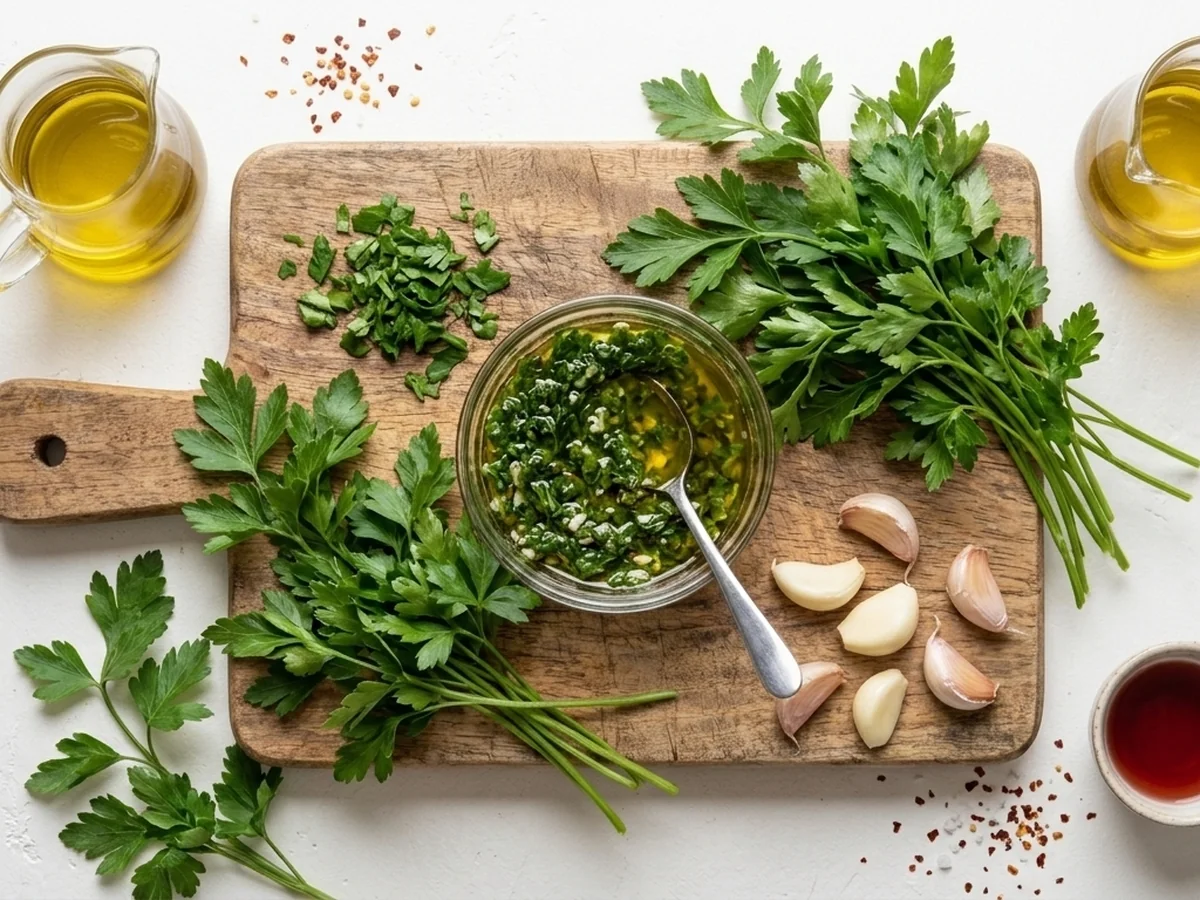
Incorporating herbal elements adds a sophisticated layer to your drink that cuts through the richness of the heavy whipping cream. Fresh herbs provide a clean, aromatic contrast to the dense fruit flavor. To introduce these profiles, consider the following methods:
- Steep fresh mint or basil leaves in your liquid dairy base for several hours before straining and frothing.
- Muddle a few herb leaves directly into your fruit puree or syrup before combining it with the cream.
- Garnish the finished drink with a finely chiffonaded herb leaf to release essential oils with every sip.
Using freeze-dried strawberry powder is a popular technique because it creates a more concentrated color and flavor than liquid syrup. This method also prevents the texture of the foam from becoming too thin, which can happen if you add too much liquid puree. For safety, always ensure your finished mixture is kept at or below 40 degrees Fahrenheit, as noted by the FDA Food Code, to maintain quality and prevent bacterial growth.
FAQ
How do I make this creamy fruit-infused coffee garnish?
To prepare this topping, combine milk and heavy whipping cream with your choice of strawberry flavoring in a tall glass. Use a handheld milk frother or an immersion blender to aerate the mixture until it thickens into a stable, creamy layer. This process is traditionally performed without heat to ensure the consistency remains thick and velvety.
What is the 321 rule for cold foam?
The 321 rule is common guidance for achieving a balanced texture by using 3 parts milk, 2 parts heavy whipping cream, and 1 part flavoring. Following this ratio helps ensure the mixture remains thick enough to sit atop your cold brew coffee without dissolving too quickly.
Is it better to use freeze dried strawberry powder for foam?
It is common practice among home baristas to use powdered freeze-dried strawberries, as this often creates a more concentrated color and flavor than liquid syrup. This method is frequently preferred because it avoids thinning out the dairy base with excess moisture.
What is the safest way to store strawberry coffee toppers?
According to the FDA Food Code, you must keep all dairy-based toppings at or below 40 degrees Fahrenheit to maintain food safety. It is best to prepare only as much as you plan to consume immediately, rather than storing leftovers in the refrigerator.
Why does my fruit-flavored dairy topping not thicken?
If your mixture remains thin, you may need to increase the proportion of heavy whipping cream, which is often essential for creating a stable, frothy texture through dairy protein. Ensure your ingredients are very cold before you start, as temperature plays a major role in the stability of the final result.
Conclusion
The final step in your process is ensuring your ingredients remain properly chilled, as the USDA Food Safety and Inspection Service requires cold foam to be kept at or below 40 degrees Fahrenheit for food safety. Once you have prepared your mixture using your preferred frothing tool, pour it immediately over your beverage to enjoy the best texture. Experimenting with the 321 rule as common guidance allows you to adjust the sweetness and color to your personal preference. Now that you know how to master this vibrant, cafe-style fruit topper, you can easily customize your daily coffee routine with a fresh and creamy finish.
Sources: fsis.usda.gov
You might also like: Cranberry Orange Cookies Recipe