
Creamed Corn Recipe
Introduction
This simple creamed corn recipe creates a rich, velvety side dish that balances the sweetness of fresh or frozen corn with a savory, buttery base. By following this easy creamed corn recipe, you can prepare a classic comfort food staple on your stovetop in just a few minutes.
This guide covers the essential ingredients for achieving the perfect texture, including how to select your corn and choose the right dairy for a creamy finish. You will learn the best techniques for cooking and seasoning the mixture, along with helpful guidance on how to store leftovers or adjust the consistency if the sauce thickens over time. Whether you are planning a holiday spread or a quick weeknight dinner, these instructions ensure a reliable result every time.
Best Creamed Corn Recipe

The ideal version of this comfort dish balances a velvety, sauce-like consistency with the natural snap of sweet corn kernels, distinctly separating it from the dense, bread-like structure of a casserole or the custard-heavy profile of a pudding. While those baked dishes rely on eggs and starch to set into a solid form, this stovetop classic remains a loose, spoonable side that highlights the fresh corn milk released during cooking.
Using a cast iron skillet is the most effective way to achieve these results because of the vessel’s superior heat retention and even distribution. The heavy material ensures the base of the dish stays at a steady, gentle bubble, which is essential for properly blooming the flour and thickening the dairy without scorching the sugars in the corn.
- The skillet creates a consistent surface temperature that promotes gentle caramelization of the corn sugars.
- This slow, even browning adds a depth of flavor that is difficult to replicate in thinner pans.
- The seasoned surface of cast iron contributes to the rustic, hearty nature of a quality homemade creamed corn recipe.
To keep this dish at its best, plan for it to be a quick stovetop preparation. If you find the mixture has thickened too much after sitting, simply add a small splash of milk or cream to bring it back to your preferred texture. While you can prepare it a day ahead and store it in the refrigerator, it typically maintains the best flavor and quality within three to four days.
Ingredients for Creamed Corn
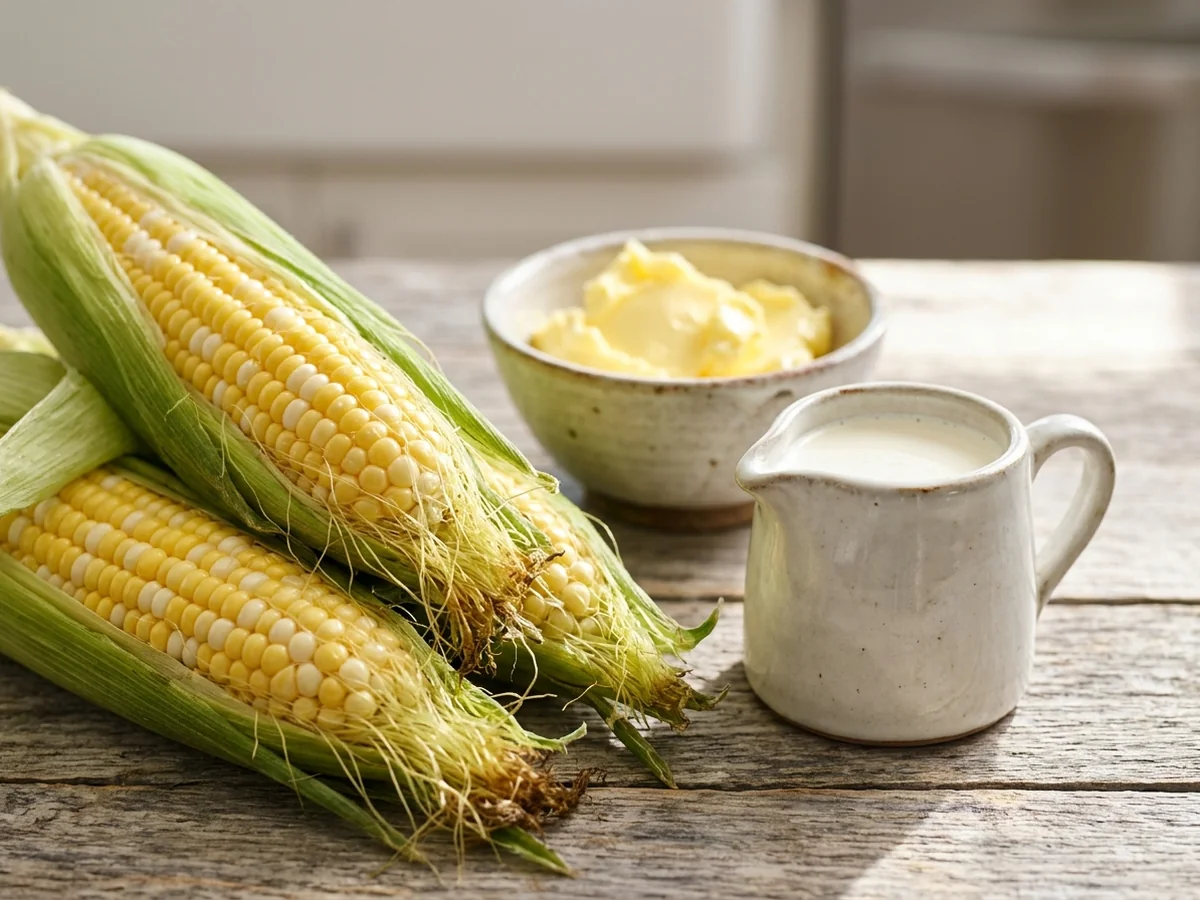
The foundation of a delicious homemade creamed corn recipe lies in selecting quality corn and balancing rich fats with aromatics. While your choice of base liquid and produce will shape the final texture and flavor, these core components work together to achieve that classic comfort food result.
- Fresh sweet corn offers the best flavor and natural starch, especially when you scrape the cob to release the milky juices, but frozen or canned kernels are convenient alternatives that work well in a pinch.
- Unsalted butter provides a rich, clean fat source that allows you to control the overall saltiness of the dish while sautéing your aromatics.
- Aromatics such as finely diced onions, shallots, or garlic build a savory depth that prevents the corn from tasting one-dimensionally sweet.
- Whole milk or heavy cream are traditional choices for the liquid base, contributing to a silky mouthfeel and helping to carry the flavors throughout the pan.
- Non-dairy alternatives like unsweetened soy or oat milk can be substituted if you prefer a lighter profile, though they may require a slightly different thickening approach than dairy options.
- A small amount of all purpose flour is commonly used as a thickening agent to ensure the sauce coats the kernels evenly without becoming too watery.
When cooking, keep in mind that fresh corn provides the most authentic texture. If you choose frozen or canned varieties, try to drain them thoroughly to avoid diluting the sauce. Common practice suggests that if your final dish thickens too much during storage, you can easily restore the desired consistency by stirring in a small splash of milk or cream before serving.
How to Cream Corn

You can release the sweet corn milk by running the back of a knife firmly down the length of the cob after cutting off the kernels. This milky liquid is essential for achieving the authentic flavor in any creamed corn recipe. Simply hold the ear upright over a bowl and press hard to scrape out the remaining pulp and starch trapped between the rows.
It is common to confuse creamed corn with corn pudding or casseroles, but the textures are distinct. While creamed corn is a stovetop dish made by cooking kernels in their own juices and a dairy base, pudding or casserole involves baking the corn with eggs and flour to create a firm, soufflé-like structure. Creamed corn should remain loose and creamy rather than set like a cake.
Using a cast iron skillet helps you achieve superior results thanks to its ability to distribute heat evenly across the cooking surface. This consistency prevents hot spots that might otherwise scorch the milk and sugar in the corn. When preparing your dish, keep these tips in mind:
- Preheat your skillet over medium heat before adding any butter to ensure the pan is ready.
- The heavy base of a cast iron pan maintains a steady temperature, which is ideal for slow-simmering the corn to develop flavor without burning.
- Avoid using metal utensils that might scrape the seasoning off your pan, opting for wooden or silicone tools instead.
As a matter of common practice, you can prepare this side dish up to one day in advance. If it thickens during storage, simply stir in a splash of milk or cream before reheating.
How to Thicken Creamed Corn
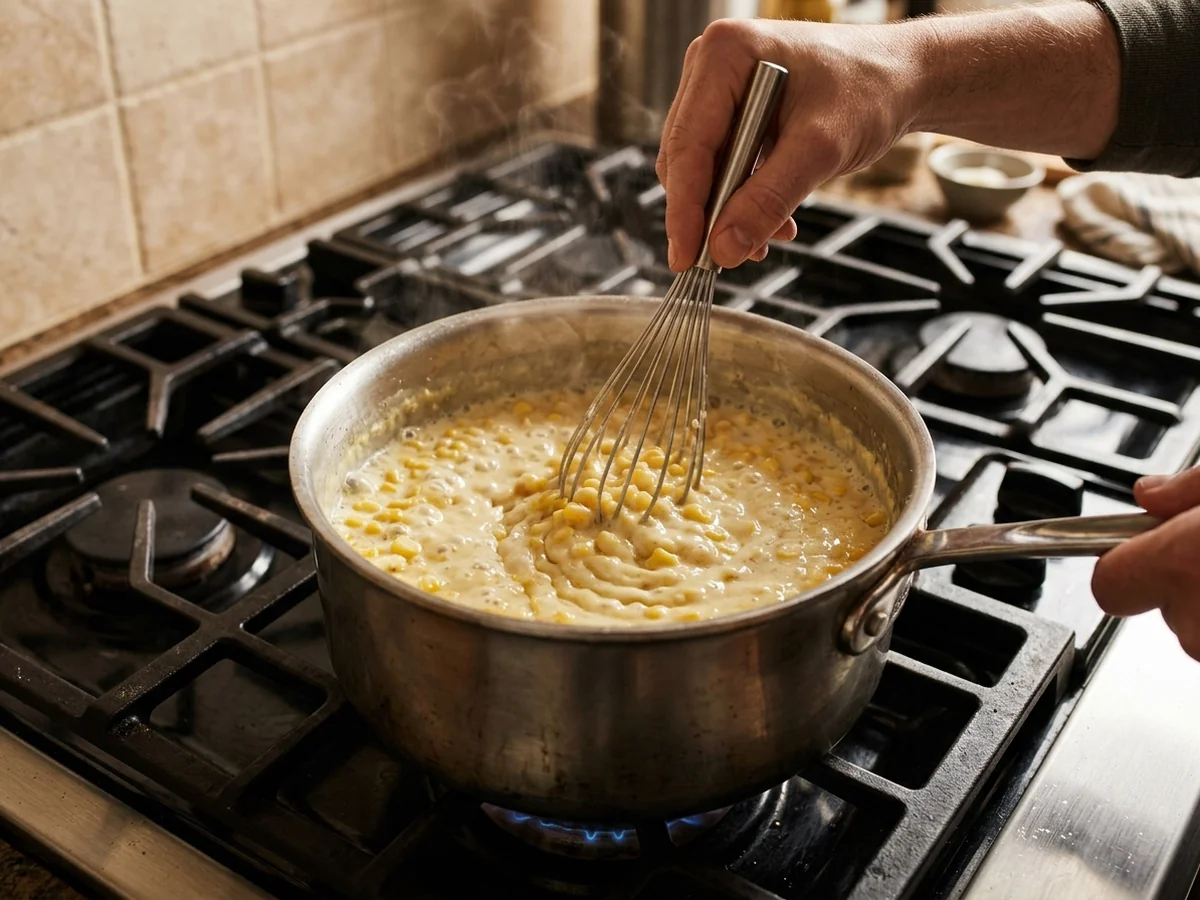
You can achieve the perfect velvety texture by creating a roux with all purpose flour and fat before incorporating your dairy. This base acts as a stabilizer, ensuring the mixture holds its body without separating.
To start, melt unsalted butter in your pan and whisk in an equal amount of flour. Cook this mixture over medium-low heat for about two minutes to remove the raw flour taste. Once the paste smells slightly nutty, slowly pour in your whole milk or heavy cream while whisking constantly. This gradual addition is essential to prevent lumps and creates a smooth foundation for the sweet corn.
Managing heat is the most important part of the process to avoid scorching the bottom of the pan. Because dairy contains natural sugars and proteins, it burns easily when exposed to high temperatures. Use these techniques to maintain a gentle cook:
- Keep your stovetop setting at medium-low throughout the process.
- Use a heavy-bottomed pan, such as a cast iron skillet, which distributes heat evenly.
- Stir the bottom and corners of the skillet frequently with a wooden spoon or silicone spatula.
If you find the result is too thin after simmering, continue cooking it gently to allow for further reduction. Conversely, if it becomes too thick, you can adjust the consistency by stirring in a splash of milk or cream until it reaches your preferred level of creaminess. As the dish cools, it will naturally thicken further, so aim for a slightly looser consistency while it is still on the heat.
Creamed Corn Variations

You can easily customize this side dish by folding in grated Parmesan cheese for a savory depth or adding diced jalapeño to introduce a subtle heat. For those needing dairy-free adjustments, swapping heavy cream or whole milk for full-fat canned coconut milk or a neutral-flavored plant-based alternative is a common practice that maintains a rich mouthfeel.
| Attribute | Fresh Corn | Frozen Corn |
|---|---|---|
| Preparation | Requires cutting and scraping cobs | Ready to use immediately |
| Texture | Naturally milky and crisp | Consistent and soft |
| Cooking Time | Slightly longer for tenderness | Quick to reach desired heat |
While many home cooks assume volumes remain identical, substituting fresh corn for frozen kernels requires careful measuring because fresh cobs vary significantly in size. It is a common misconception that three cups of fresh kernels directly equate to a twenty-ounce bag of frozen corn, as the density and moisture content of the two forms differ. When preparing an easy creamed corn with fresh corn, start by measuring kernels after removing them from the cob to ensure your ratios for butter and dairy remain balanced. If you find the mixture thickens too much during storage, common guidance suggests thinning the consistency with a small splash of milk or cream when reheating over the stovetop.
Storing Creamed Corn
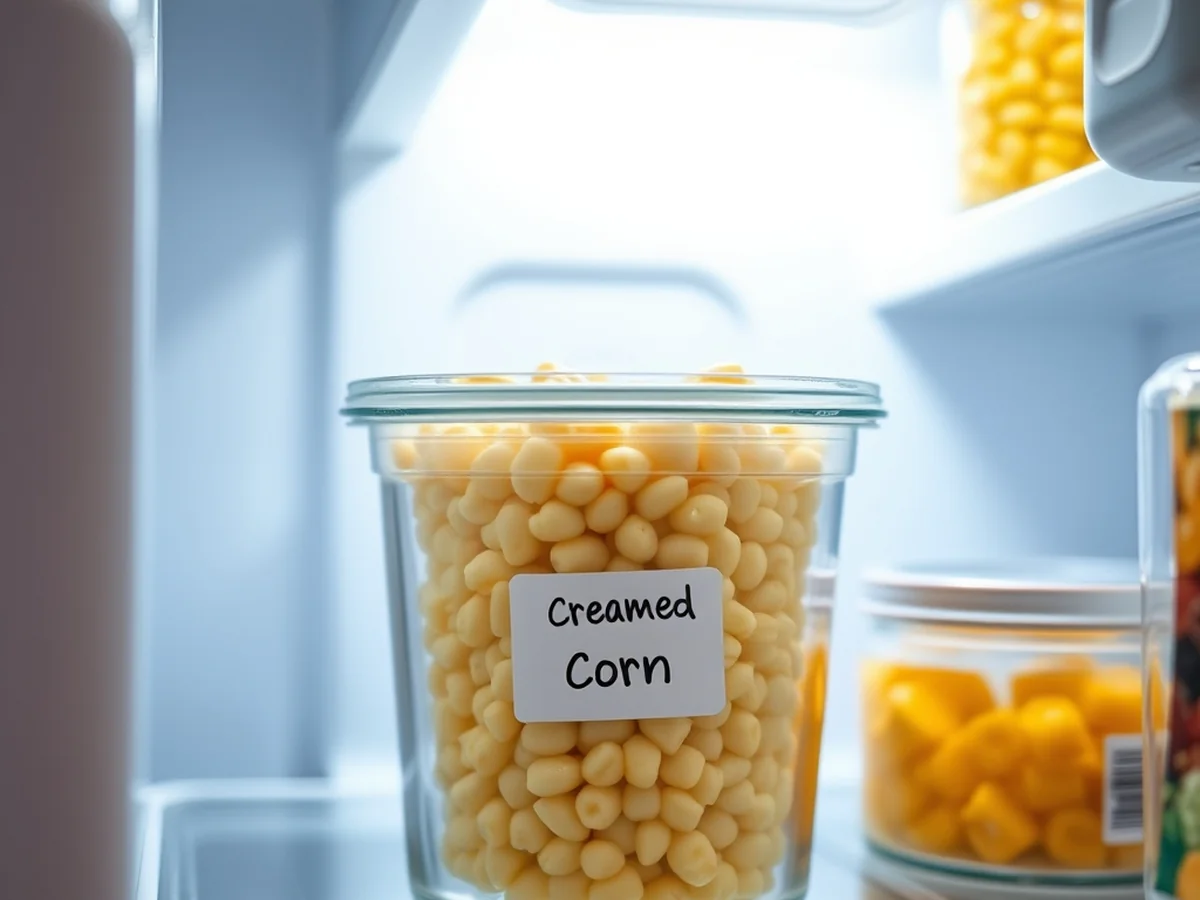
Proper storage allows you to manage your meal prep efficiently, especially when planning for holiday gatherings or busy weeknights. Because this dish relies on dairy components like milk or cream, maintaining the correct temperature and seal is essential for both flavor and safety. While many home cooks enjoy the convenience of making a batch ahead of time, understanding how to manage the texture and quality during storage is key to a successful side dish.
If you have extra portions or are prepping in advance, follow these common practices to maintain the best results:
- Advance Preparation: It is common practice to prepare this side dish one day before you intend to serve it. This allows flavors to meld, though you may need to adjust the texture before serving.
- Refrigeration: You can typically keep the prepared mixture in the refrigerator for 3 to 4 days. Always use a clean, airtight container to prevent the absorption of other odors from your refrigerator.
- Consistency Adjustments: Dairy-based sauces often thicken significantly once chilled. If the mixture appears too thick after being refrigerated, you can restore a creamy, pourable consistency by adding a small splash of milk or cream during the reheating process.
- Reheating Technique: When warming leftovers, do so gently. Stir the liquid into the corn over low heat until the mixture is uniform and warmed through. Avoid high heat, which can cause the dairy to separate or the corn to scorch at the bottom of the pan.
A frequent mistake is attempting to freeze creamed corn. Due to the high dairy content, the emulsion often breaks upon thawing, resulting in a grainy or watery texture that is difficult to fix. For the highest quality experience, it is best to enjoy this dish within the suggested refrigerator window rather than relying on the freezer.
Canning Creamed Corn Safely
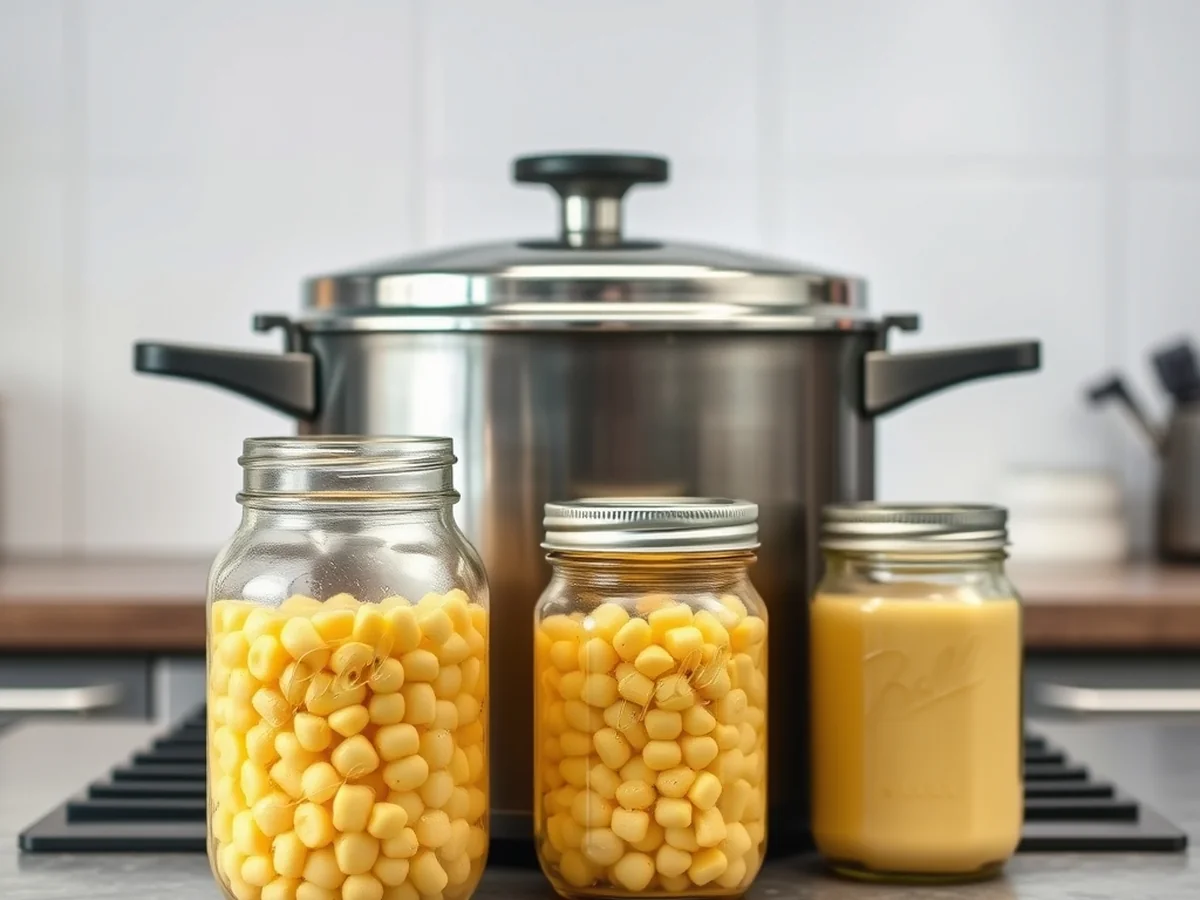
You should never attempt to can creamed corn at home because of the severe risk of botulism. While many home cooks enjoy preserving their harvest, low acid foods like corn require specialized industrial equipment to reach temperatures high enough to destroy dangerous bacteria.
The National Center for Home Food Preservation provides clear guidance on this topic, explaining that creamed corn is a low acid vegetable that creates an ideal environment for Clostridium botulinum spores to thrive if processed incorrectly. These spores produce a toxin that can be fatal if ingested, and because the bacteria are invisible and odorless, you cannot detect contamination through sight or smell.
Because of these significant safety hazards, refrigeration is the only recommended method for storing any homemade creamed corn recipe. Do not attempt to use water bath canning or other non-pressure methods to store your dish at room temperature. These methods are not sufficient to kill the spores found in corn, regardless of the ingredients used.
If you find that your dish has thickened too much while sitting in the refrigerator, it is common practice to stir in a small splash of milk or cream to restore your desired texture before serving. You can typically keep your prepared corn in the refrigerator for three to four days, or simply prepare it one day ahead of your meal to save time. By avoiding home canning, you ensure that your meal remains a safe and delicious addition to your table.
Serving Creamed Corn

This dish serves as a versatile accompaniment to hearty proteins and is a natural fit for holiday spreads. The rich, velvety texture complements the savory profile of roasted meats, making it a reliable choice for family gatherings or busy weeknight dinners.
As a comforting side, this preparation provides a satisfying addition to meals that require a boost of substance. Many home cooks appreciate how this dish anchors a plate, offering a familiar, home-style quality that pairs well with classic staples. If you are preparing this for a larger gathering, you might find it helpful to know that common practice suggests this side can be made one day ahead and kept in the refrigerator.
If you find that your dish has thickened during storage, you can typically restore its ideal consistency by stirring in a small splash of milk or cream before warming it through. It is common guidance to keep the leftovers in the refrigerator for three to four days to ensure the best quality.
To round out your menu with other hearty, protein-focused dishes, feel free to explore our collection of high-protein dinners and other comfort food staples on our main recipe page. Whether you are planning a celebratory feast or a simple meal, our archives offer plenty of inspiration to help you build a complete and satisfying spread.
- Pair with roasted chicken, glazed ham, or savory pork chops.
- Serve alongside holiday staples like mashed potatoes or herb-crusted turkey.
- Consider adding a garnish of fresh herbs or a sprinkle of cracked black pepper for a simple, elegant finish.
FAQ
Can you make creamed corn ahead of time?
Yes, you can prepare this side dish one day in advance to save time during busy weeknights. Simply store the finished dish in the refrigerator until you are ready to serve it.
How do you store leftover creamed corn?
It is common practice to keep leftovers in the refrigerator for three to four days. Always ensure you use a suitable storage container to keep the dish fresh and protected.
How can you adjust the consistency of thickened creamed corn?
If your dish becomes too thick while sitting in the refrigerator, you can easily thin it with a small splash of milk or cream. Stir the liquid in gradually over low heat until you reach your preferred texture.
Can you freeze creamed corn?
While many people look for ways to store this dish long term, freezing is generally not recommended for the best texture and flavor. The dairy components often separate or change in consistency after being frozen and thawed.
What should you serve with creamed corn?
This side dish pairs well with a variety of hearty comfort foods like roasted chicken, pork chops, or grilled steaks. Its sweet profile acts as a perfect balance to savory meat dishes and other vegetable sides.
Conclusion
You can easily prepare your creamed corn recipe one day in advance to save time during busy meal prep. Once finished, this dish typically stores well in the refrigerator for three to four days. If you find the texture has thickened too much after chilling, simply stir in a small splash of milk or cream while reheating to restore its creamy consistency. Now that you have the steps for a successful batch, you are ready to head to the kitchen and start cooking.
You might also like: Cheesy Broccoli Casserole Recipe