French Onion Soup Pasta Recipe
Introduction
French onion soup pasta transforms the rich, savory depth of classic bistro soup into a hearty weeknight dinner by coating pasta in a deeply caramelized onion sauce. This dish captures the essence of the original soup through a technique that focuses on long, slow browning and aromatic reduction.
This article covers the essential steps for achieving the perfect flavor profile, including the role of beef broth, the best cheese for french onion pasta, and the science of the Maillard reaction. You will learn how to properly caramelize yellow onions to bring out their natural sweetness, how to select the right pasta shape to hold the sauce, and how to use ingredients like heavy cream to create a silky consistency. By following these professional techniques, you can master an easy french onion pasta recipe that delivers restaurant-quality comfort food right in your own kitchen.
Flavor Foundations and Essential Techniques
This dish transforms the soul of a classic bistro soup into a high-protein comfort meal by balancing intense, savory aromatics with a rich, velvety sauce. It relies on the deep, complex flavors of slow-cooked vegetables and robust stock to provide a satisfying, hearty dinner that maintains its appeal as a staple weeknight option.
Mastering this meal requires two critical culinary processes: the Maillard reaction and proper sauce emulsification. The Maillard reaction is the chemical process that transforms raw, pungent aromatics into deeply browned, sweet, and savory components. Achieving this depth of flavor is essential to building the base of your dish.
- Yellow onions are the typical choice for caramelization because they develop a natural sweetness without becoming cloying.
- Adding 1/4 teaspoon of baking soda to the pan is a common practice to significantly reduce the time needed to achieve a deep brown color.
- Sprinkling the onions with 1 teaspoon of sugar can help speed up and even out the caramelization process.
- Using beef broth provides a deeper, more traditional flavor profile compared to using chicken broth.
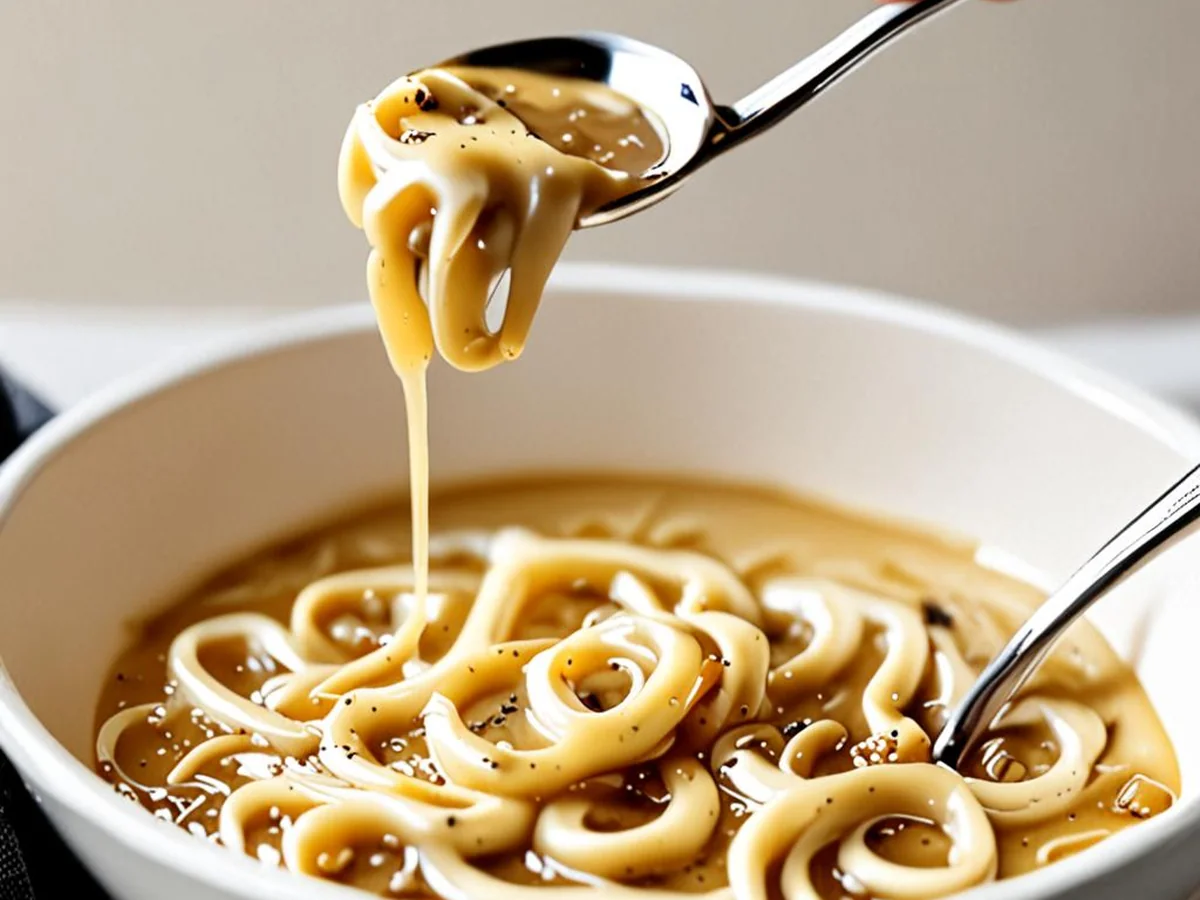
Once the foundation is set, you must achieve a stable emulsion to ensure the sauce coats the rigatoni evenly. Incorporating heavy cream is a standard technique to create the desired consistency, while Gruyere cheese is frequently selected for its distinct, nutty flavor profile. Stirring these ingredients over gentle heat prevents the sauce from breaking, ensuring a smooth, restaurant-quality finish that holds onto every piece of pasta.
Caramelizing Onions for Pasta
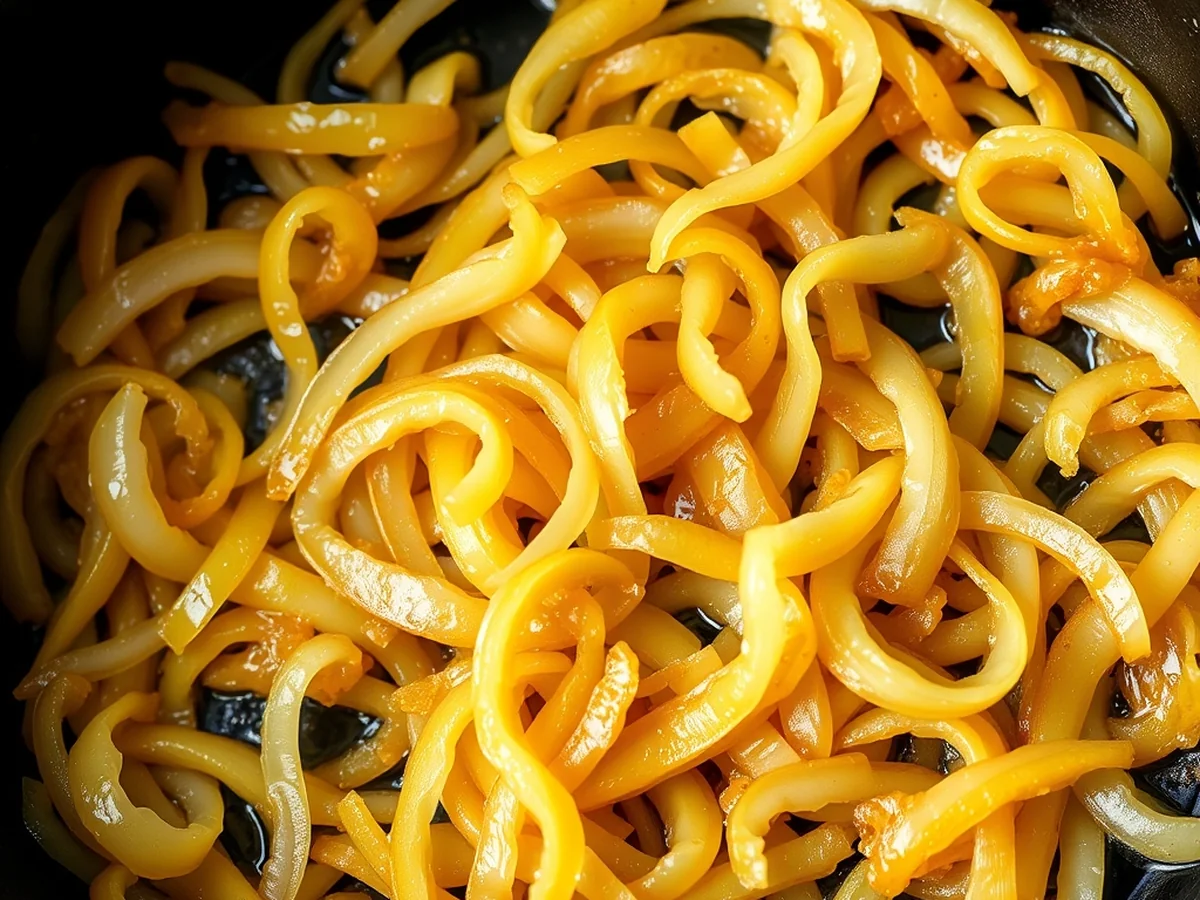
To achieve the deep, savory foundation required for a successful caramelized onion pasta, start by selecting yellow onions. They are widely considered the ideal choice because they develop a rich sweetness without becoming cloying or overly sharp during the long cooking process.
You can significantly reduce your active time in the kitchen by using a simple culinary hack. Adding 1/4 teaspoon of baking soda to the pan as the onions soften is a common practice that helps break down their cell walls, which significantly speeds up the caramelization process.
Achieving a uniform, golden-brown color is essential for building complex flavor. Many home cooks find that sprinkling 1 teaspoon of sugar over the onions helps the process move along more efficiently. This addition not only encourages faster browning but also ensures the color remains even throughout the batch.
When preparing this base for your dish, keep these techniques in mind for the best results:
- Use yellow onions as your primary base for a balanced, sweet flavor.
- Incorporate 1/4 teaspoon of baking soda to shorten the time spent at the stove.
- Add 1 teaspoon of sugar to promote consistent, deep browning.
Patience remains the most critical component, as true caramelization relies on the slow development of flavors through the Maillard reaction. By combining these methods, you can develop a robust, flavor-forward foundation that mimics the classic profile of the original soup without spending hours hovering over the stovetop.
Best Broths for Pasta Sauce
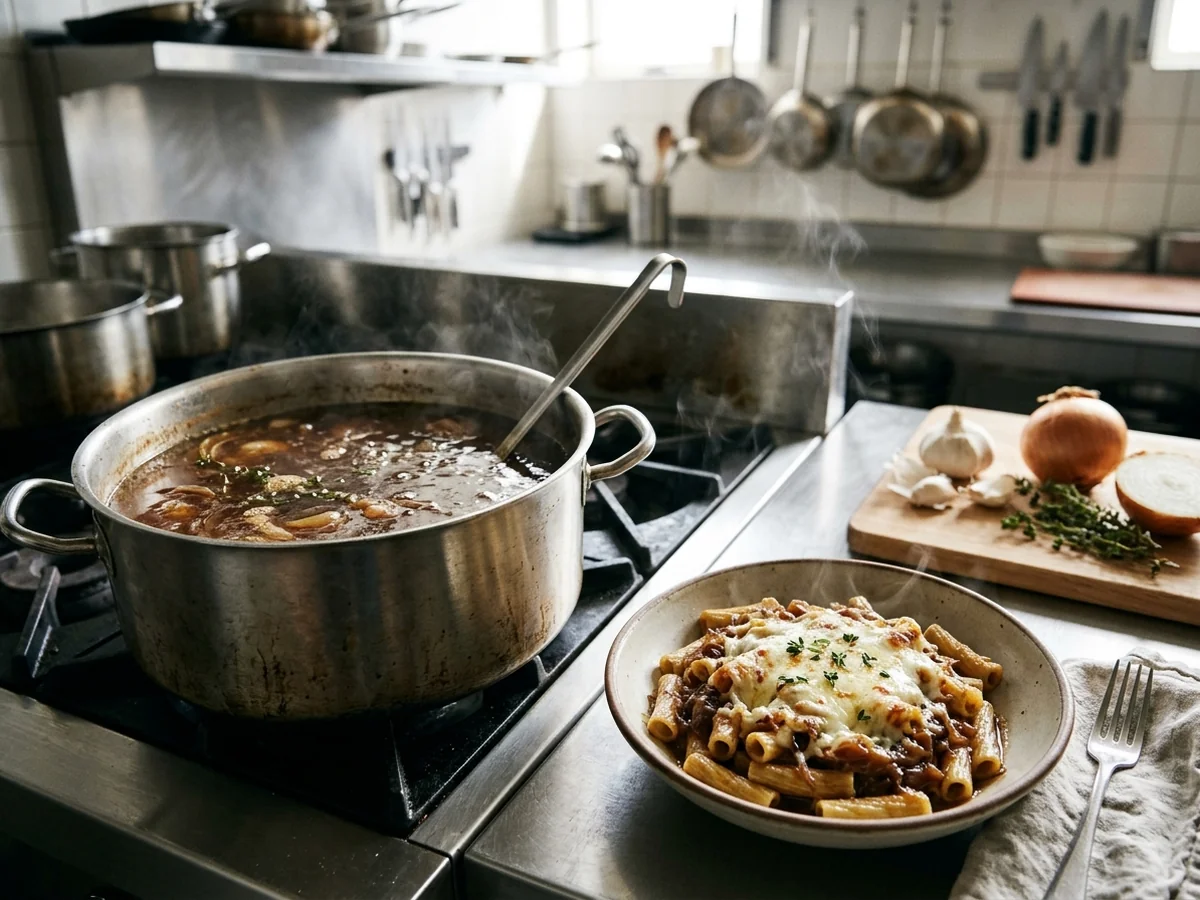
Beef broth is widely considered the superior choice for this dish because it provides a deeper, more robust flavor profile compared to chicken broth. While chicken broth offers a lighter, more delicate base, it lacks the savory intensity required to mimic the traditional soup experience. Using beef stock ensures your sauce carries the signature richness that defines this classic comfort meal.
Building the foundation of your sauce relies heavily on aromatics like thyme and garlic. Thyme adds an earthy, floral note that cuts through the sweetness of the onions, while garlic provides a sharp, pungent bite. Together, these ingredients create the complex, savory layers necessary for an authentic flavor profile.
Deglazing the pan is a critical step to capture the fond, which refers to the browned bits of caramelized onion and protein stuck to the bottom of your skillet. When you add liquid to the hot pan, these concentrated deposits dissolve into the sauce. This process effectively intensifies the overall flavor, ensuring none of that hard-earned sweetness goes to waste.
- Use beef broth for maximum depth and savory character.
- Add fresh thyme early to allow the oils to infuse the onions.
- Incorporate minced garlic during the final minutes of caramelization to avoid burning.
- Deglaze with a splash of liquid while the pan is hot to lift all browned particles.
Choosing Best Pasta Shapes
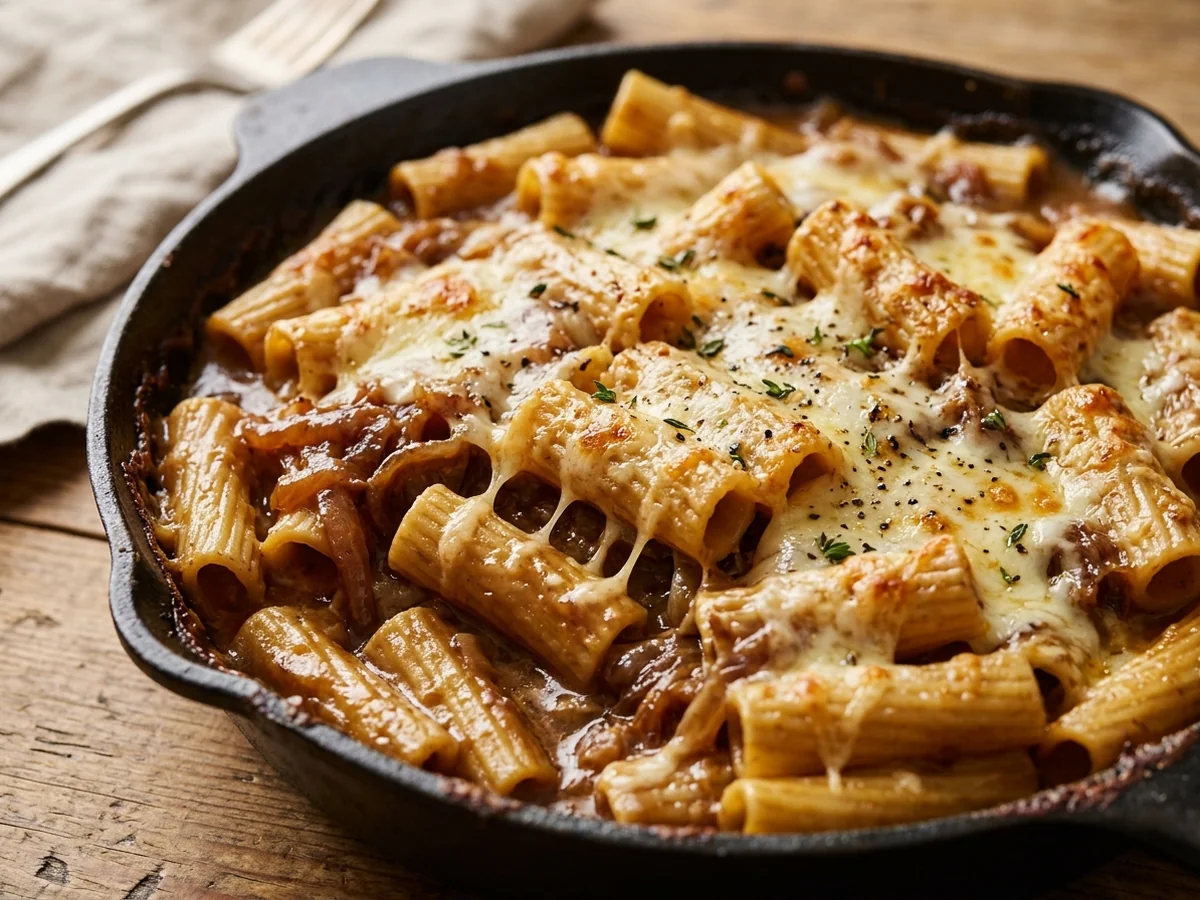
Tube-shaped pasta, particularly rigatoni, is ideal for this dish because the hollow center acts as a reservoir for the thick, savory sauce. While flat noodles allow the sauce to slide off, a sturdy tube captures the cream, melted Gruyere cheese, and bits of caramelized onion within every bite, ensuring a cohesive flavor experience.
The surface area of your chosen shape directly influences the final consistency of your meal. Pasta with ridges, such as the classic french onion rigatoni, provides extra grip for the sauce to cling to the exterior. This texture creates a better mouthfeel, preventing the sauce from pooling at the bottom of the bowl and ensuring that every piece of pasta is evenly coated in the rich, beef-based reduction.
Achieving the perfect al dente texture is essential to prevent the meal from becoming mushy once the sauce and cheese are incorporated. Follow these tips to maintain the right bite:
- Boil your water with a generous amount of salt to season the pasta from the inside out.
- Drain the pasta one minute before the package instructions suggest for al dente, as it will continue to soften slightly when tossed with the hot sauce.
- Reserve a small splash of the starchy cooking water to help emulsify the cream and cheese, creating a silky finish that adheres perfectly to the pasta surface.
By focusing on shapes that hold sauce effectively, you ensure that the depth of your caramelized onion base is fully represented in each serving. Prioritizing structure helps elevate a simple weeknight dinner into a high-quality comfort dish.
Achieving Perfect Sauce Consistency
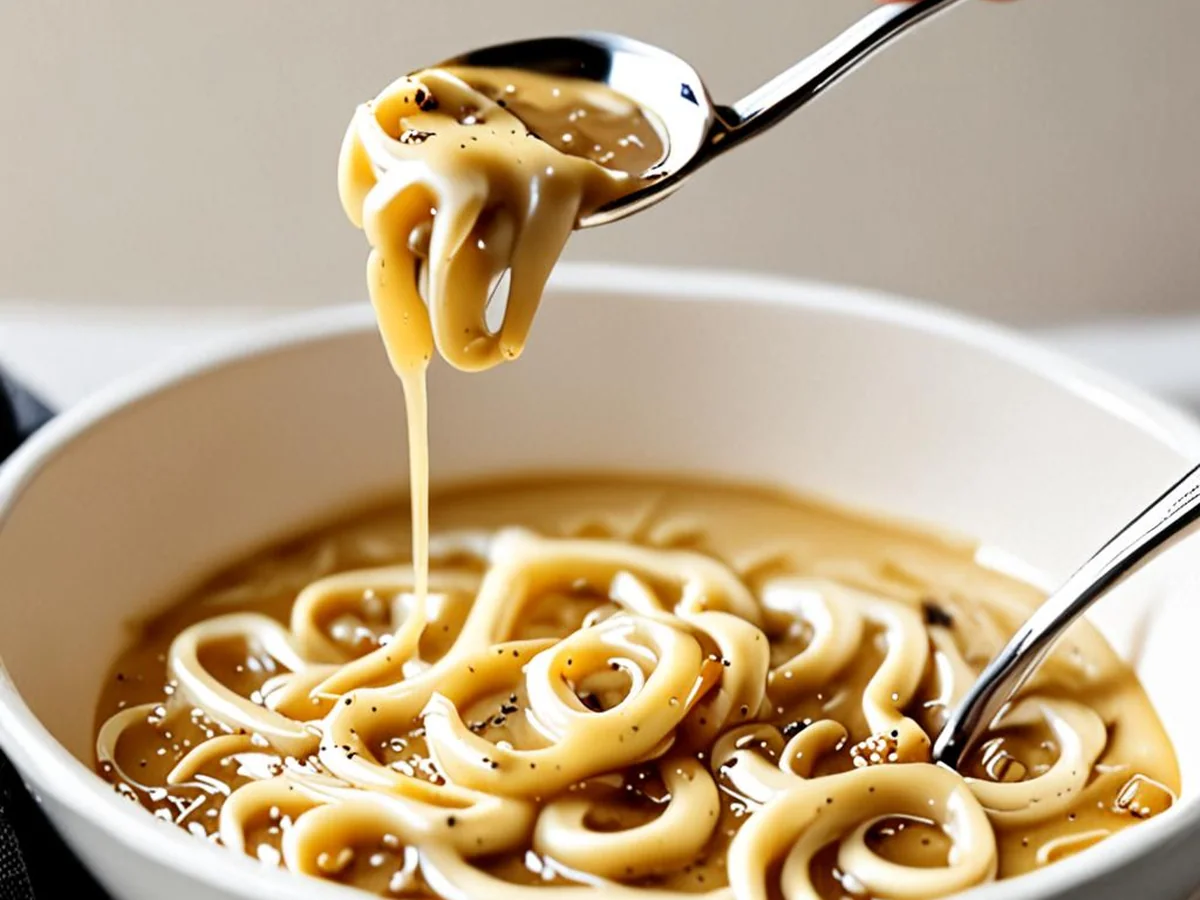
You achieve a silky consistency in french onion soup pasta by using heavy cream as an emulsifier to bind the reduced beef broth and caramelized onions. Adding cream toward the end of the cooking process prevents it from curdling, creating a rich base that clings to your pasta without becoming greasy.
To avoid a broken sauce, lower the heat before introducing the cream. High temperatures can cause the fat to separate from the liquids. Maintain a gentle simmer rather than a rolling boil once your dairy is added to ensure the emulsion remains stable and smooth.
When incorporating Gruyere cheese, avoid adding it directly into a bubbling pan, as this often leads to clumping or a rubbery, stringy texture. Follow these steps for the best cheese for french onion pasta:
- Remove your pan from the heat entirely before stirring in grated cheese.
- Add the cheese in small handfuls, stirring constantly in one direction to help it melt evenly into the sauce.
- Use freshly grated cheese rather than pre-shredded varieties, which contain anti-caking agents that interfere with proper melting.
If your sauce appears too thin after adding the cream, allow it to reduce for an extra minute over low heat before tossing in the noodles. Do not rely on resting the finished dish to thicken the sauce, as the temperature drop can cause the cheese to seize and harden. Proper heat control during the final steps is the most reliable way to maintain that signature velvety texture that defines this comforting dish.
Avoiding Soggy Pasta Mistakes
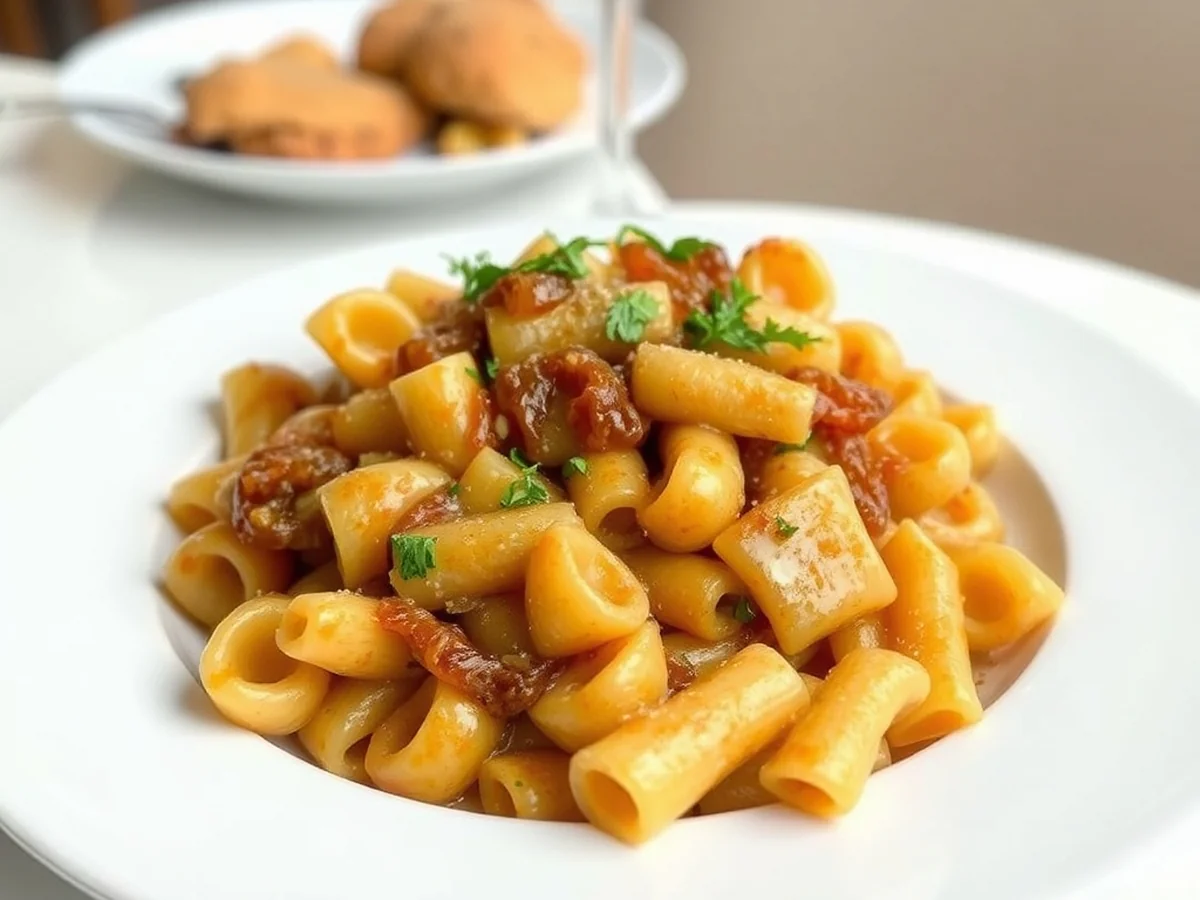
Achieving the perfect texture in this dish requires patience during the prep phase and immediate serving once the sauce is emulsified. Rushing the transformation of your aromatics or mismanaging the seasoning balance often leads to a disappointing result that lacks the intended depth and structure.
Follow these essential practices to ensure your meal maintains the ideal consistency and flavor intensity:
- Resist the urge to turn up the heat to speed up the caramelization of yellow onions, as high temperatures cause them to burn rather than develop the necessary sweetness.
- Avoid adding salt to the onions too early in the cooking process, as excessive sodium draws out moisture prematurely and prevents the natural sugars from browning properly before the liquid reduction phase.
- Remember that the sauce will not thicken or improve by sitting after you combine the ingredients, so serve your meal immediately to enjoy the best texture before the starch and dairy components lose their emulsified state.
- Maintain a consistent, low-to-medium heat throughout the browning process to allow the Maillard reaction to occur slowly, which builds the foundation for the savory profile of your caramelized onion pasta.
- Use a heavy-bottomed pan to ensure even heat distribution, preventing hot spots that can ruin the delicate balance of your sauce.
Making Gluten-Free Onion Pasta
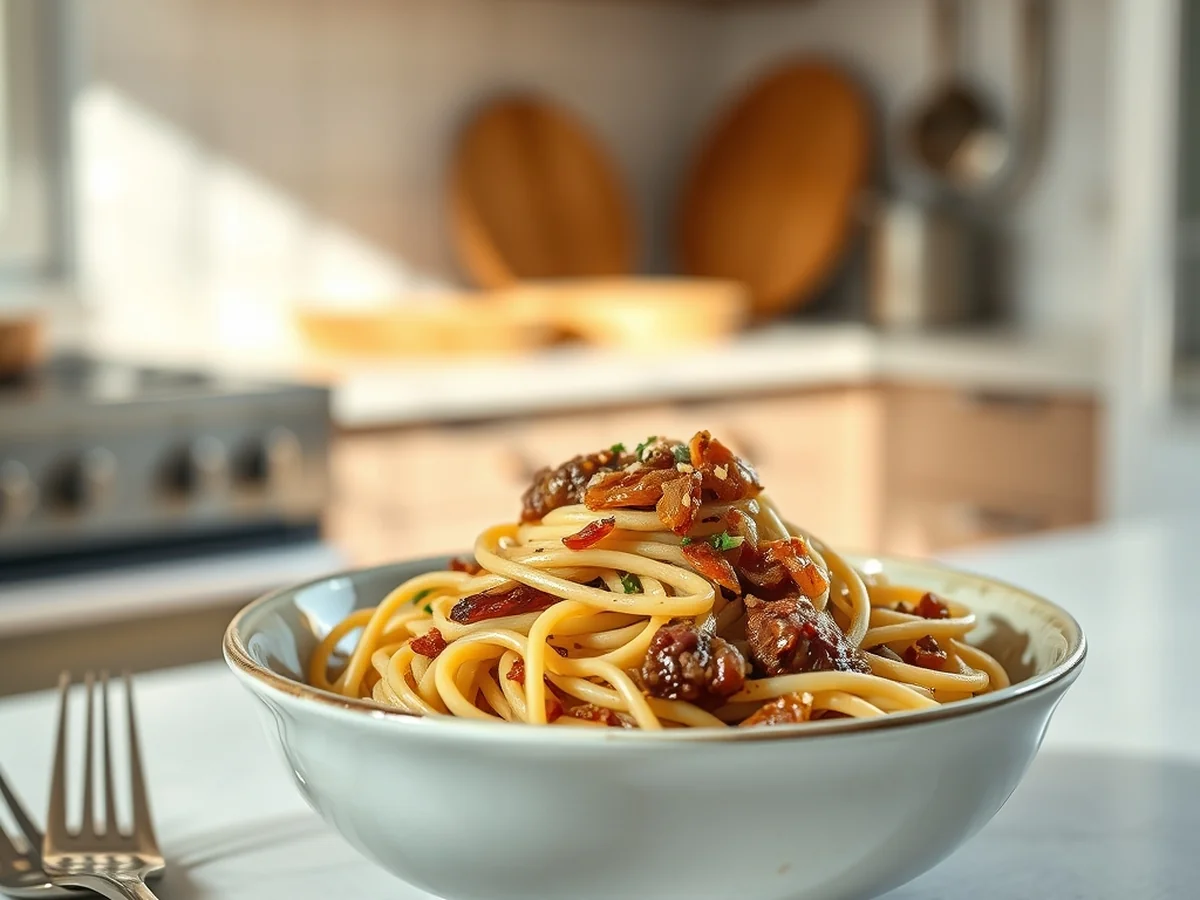
You can easily substitute alcohol when deglazing by using an equal amount of beef broth, balsamic vinegar, or apple cider vinegar mixed with a splash of water. These alternatives provide the acidity needed to lift browned bits from your skillet without adding spirits to the dish.
Herbs play a critical role in balancing the richness of Gruyere cheese and yellow onions. Using fresh thyme adds a bright, floral note that cuts through the heavy cream, while dried thyme offers a more concentrated, earthy flavor. If you choose dried herbs, add them earlier in the cooking process to allow their oils to rehydrate. Fresh herbs should be stirred in at the very end to preserve their delicate aroma and color.
To ensure this meal fits a high-protein weeknight routine, prioritize the addition of lean proteins to your plate. You might consider these methods to boost the nutritional profile:
- Incorporate sliced grilled chicken breast or seared steak strips directly into the sauce.
- Stir in cooked white beans or chickpeas for a plant-based protein boost that pairs well with caramelized flavors.
- Serve the dish alongside a side of lean protein to keep the meal balanced and satisfying.
When preparing this easy french onion pasta recipe, remember that the sauce relies on the reduction of beef broth and cream. Avoid over-reducing the liquid to prevent the sauce from breaking or the cheese from clumping. Keeping the heat at a steady, gentle simmer ensures the flavors meld effectively for a restaurant-quality finish that remains quick enough for your busiest evenings.
French Onion Pasta Bake
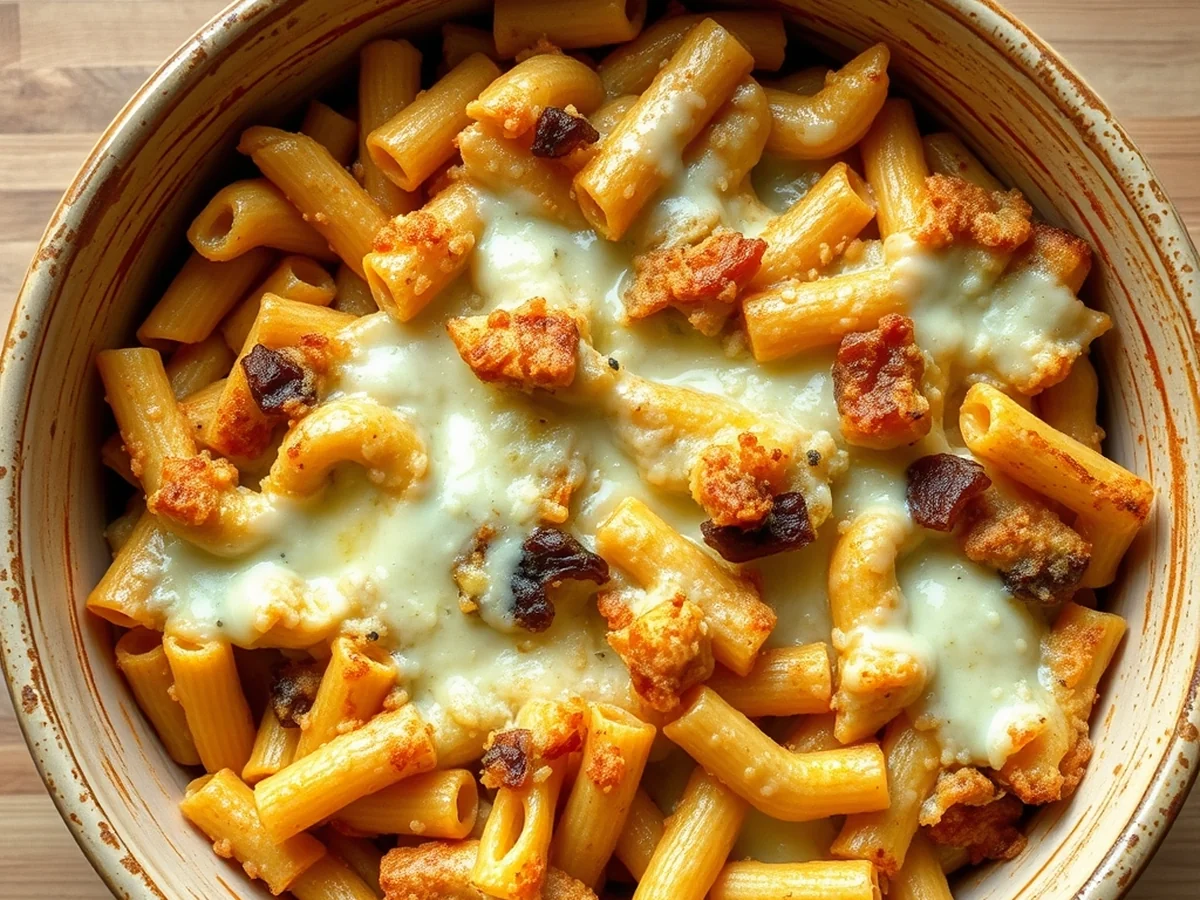
Transitioning this dish from the stovetop to a baked format transforms a simple meal into a cohesive casserole with a superior crust. While the stovetop method focuses on building a rich, emulsified sauce with heavy cream and beef broth, transferring the mixture to an oven-safe dish allows the Gruyere cheese to melt into a bubbling, golden layer that creates the signature caramelized topping associated with the classic soup.
Achieving the perfect cheese crust requires high heat for a short duration. Set your oven to a high broil or a temperature around 400 degrees Fahrenheit. Because the pasta and sauce are already cooked, the goal is purely to brown the cheese without drying out the sauce underneath. Watch the dish closely once the cheese begins to bubble, as it can go from golden to burnt in under a minute.
This approach is particularly beneficial when feeding groups. Preparing a large batch in a single baking dish eliminates the need for individual plating and keeps the entire meal warm for guests. The structure of the baked dish also makes it easier to transport or serve buffet-style, ensuring everyone receives a portion of that crispy, savory topping. Consider these advantages for your next gathering:
- Efficiently serves multiple people at once.
- Keeps the dish at a consistent serving temperature.
- Provides a uniform, golden cheese crust across the entire surface.
- Reduces active time at the stove once the components are assembled.
FAQ
How do I make an easy French onion pasta recipe?
To prepare this dish quickly, use a large skillet to caramelize yellow onions, potentially adding a pinch of sugar or a small amount of baking soda to accelerate the process. Once the onions are deeply browned, deglaze the pan with beef broth, stir in heavy cream for a silky consistency, and toss with your cooked pasta until evenly coated.
What are the best ingredients for French onion pasta?
The foundation of a successful dish relies on yellow onions, which are widely considered ideal for developing a sweet, savory base without being overwhelming. Complement these with high-quality beef broth for a deeper flavor profile, fresh thyme for aromatics, and a generous amount of Gruyere cheese for the classic French onion character.
Can I use different types of broth in this dish?
While beef broth is typically used to provide a richer, more robust foundation that mimics traditional soup, you can substitute it with chicken broth if preferred. Keep in mind that chicken broth will result in a lighter flavor profile, so you may want to adjust your seasoning or add extra herbs to maintain the desired intensity.
What cheese should be used for French onion pasta?
Gruyere cheese is common guidance for achieving the authentic flavor profile associated with traditional French onion preparations. Its excellent melting qualities and distinct nutty taste make it the gold standard for creating a luxurious sauce that clings perfectly to your choice of rigatoni.
Why is my sauce breaking or the cheese clumping?
Sauce separation often occurs when the heat is too high while incorporating the dairy or cheese into the pan. To prevent this, reduce the heat to low before adding your cream and cheese, stirring gently and continuously until the mixture is smooth and fully emulsified.
Conclusion
The success of this dish relies entirely on your patience while developing the deep flavor profile of the onions. Once you have achieved a rich, golden color and combined it with a savory beef broth and creamy finish, you are ready to serve. If you want to elevate your next dinner, try preparing this french onion soup pasta using a cast iron skillet to maximize heat retention and flavor depth. Simply gather your fresh ingredients and start the caramelization process to bring this comforting meal to your table tonight.
You might also like: Cheesy Broccoli Casserole Recipe