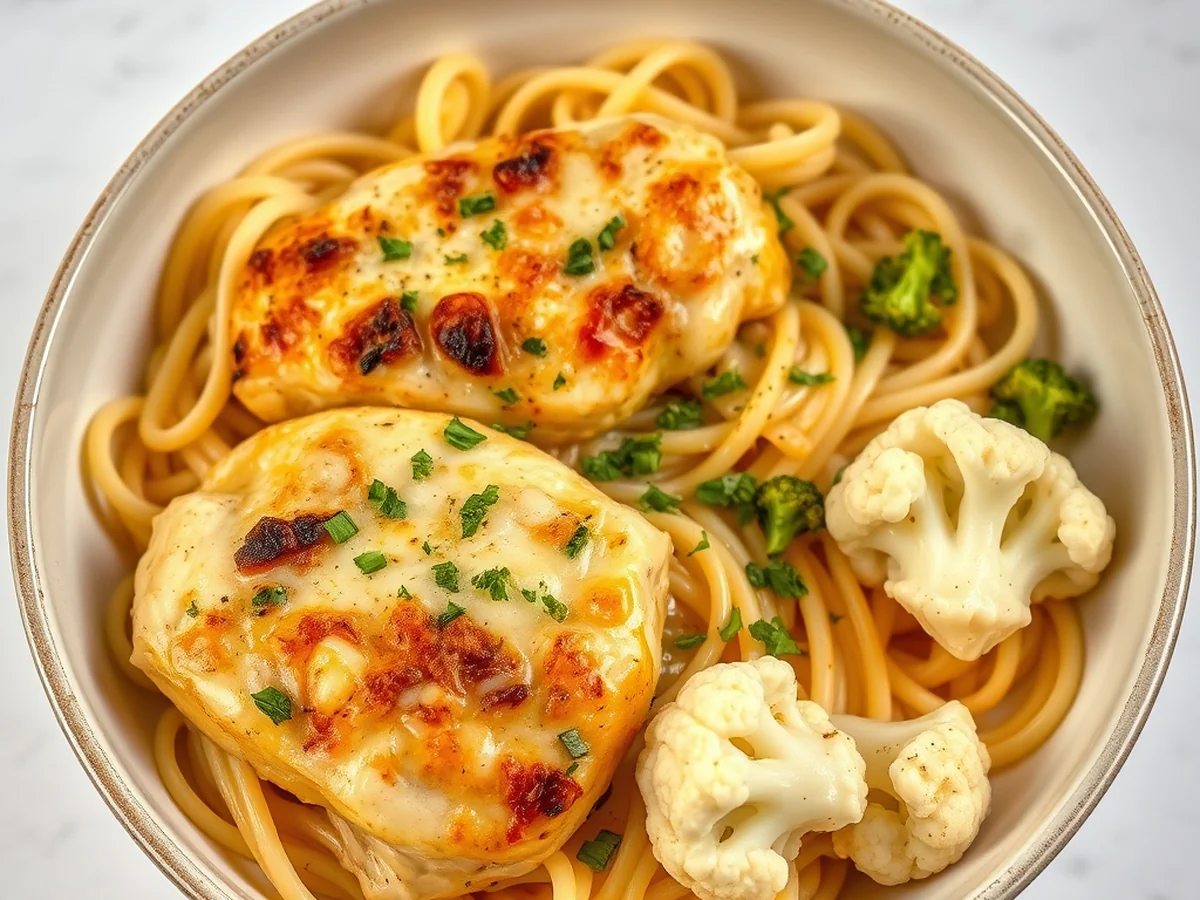
Easy Garlic Parmesan Chicken And Pasta Recipe
Introduction
You can easily prepare restaurant-quality garlic parmesan chicken and pasta at home by searing tender poultry and tossing it in a rich, velvety cheese sauce. This garlic parmesan chicken and pasta recipe offers a reliable method for creating a satisfying, high-protein dinner that fits perfectly into a busy weeknight schedule.
In this guide, you will learn the essential steps to achieve perfectly cooked chicken and a smooth, emulsified sauce. We cover how to utilize a digital meat thermometer to reach the safe internal temperature of 165 degrees Fahrenheit as recommended by the USDA, along with tips for selecting the best cheese and pasta shapes. You will also find helpful advice on storage, reheating techniques, and how to adapt the dish for gluten-free diets, ensuring your meal remains delicious and safe to enjoy as leftovers.
A Reliable Staple for Busy Kitchens
This dish delivers the ideal balance of satisfying protein and rich, savory comfort that makes it a top choice for busy evenings. By combining lean poultry with a robust cheese sauce, you create a balanced meal that feels indulgent yet fits perfectly into a fast-paced schedule. It stands out among easy weeknight chicken pasta recipes because it relies on accessible ingredients that come together quickly without sacrificing depth of flavor.
Cooking this meal at home is straightforward, even when you have limited time. The process is designed to be streamlined, focusing on simple techniques that yield restaurant-quality results in under thirty minutes. Whether you are prepping for a family dinner or looking for a reliable go-to dish, this preparation simplifies your kitchen routine.
You can achieve consistent success with this meal by keeping a few practical habits in mind:
- Prioritize high-quality protein to ensure each serving provides a substantial nutritional boost.
- Cook your noodles to an al dente texture, as verified by the University of Nebraska-Lincoln, to maintain the best quality during storage.
- Consider the specific cooking times for alternative varieties if you choose to use gluten-free noodles, as these often differ from traditional wheat options.
- Ensure your poultry reaches an internal temperature of 165 degrees Fahrenheit, as recommended by the USDA Food Safety and Inspection Service, for safety and optimal tenderness.
By focusing on these essential techniques, you turn a standard dinner into a dependable favorite. This approach removes the stress from cooking and ensures that your time in the kitchen remains enjoyable and efficient.
Garlic Parmesan Chicken Ingredients
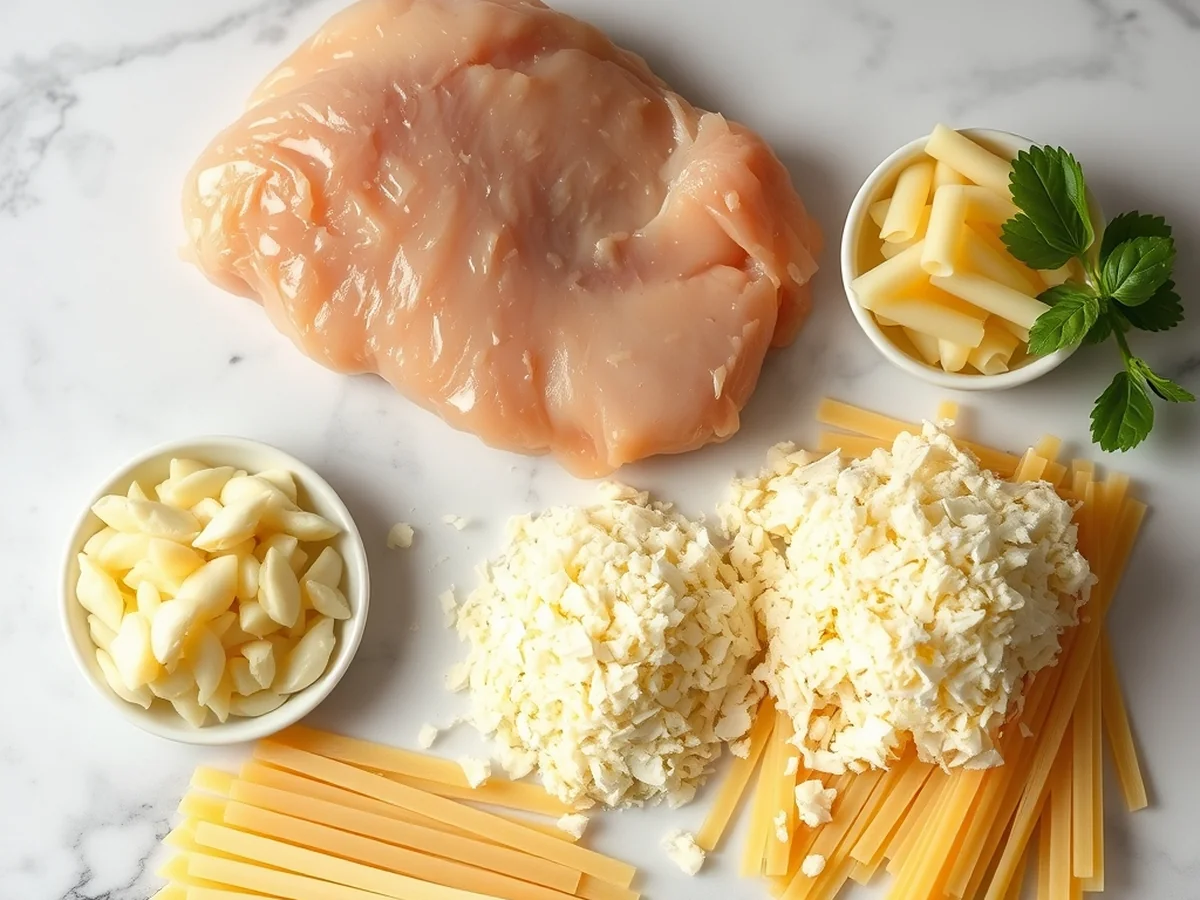
The foundation of this meal relies on selecting high-quality components that emulsify properly to create a luxurious, restaurant-style coating for your noodles. Using the right ingredients ensures your dish remains stable and smooth rather than grainy or separated.
- Always choose authentic Parmigiano Reggiano and grate it yourself to avoid the anti-caking agents found in pre-shredded bags, which often prevent the cheese from melting into a silky, cohesive sauce.
- Heavy whipping cream is the preferred choice for a stable, creamy garlic parmesan pasta sauce because its higher fat content resists curdling better than milk when exposed to heat and acidity.
- Select one of the best pasta shapes for chicken dishes, such as penne or fettuccine, as these varieties feature ridges or surface areas designed to hold onto the sauce effectively.
- Cook your chosen noodles to an al dente texture to help them maintain their structural integrity during storage, as documented by the University of Nebraska-Lincoln.
- If you opt for gluten-free pasta, follow the package instructions carefully, as common guidance suggests that these alternatives often require different cook times compared to traditional wheat-based options.
- When using a stainless steel pan to sear your protein, common practice dictates preheating the surface before adding oil to ensure a consistent cook and prevent the meat from sticking.
Cooking Chicken for Optimal Results
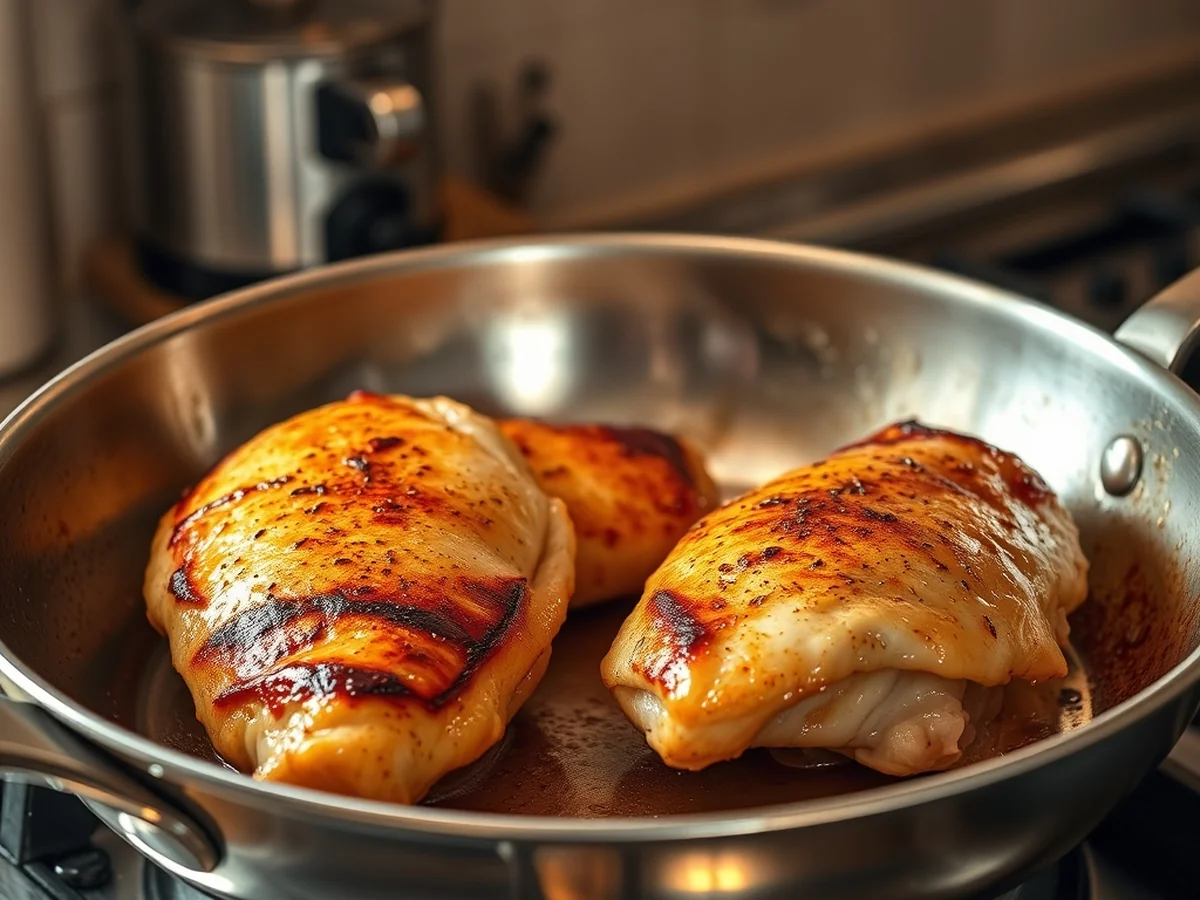
To achieve a professional sear on your poultry in stainless steel, you must prioritize proper pan temperature. A hot surface triggers the Maillard reaction, which creates the deep, savory crust essential for flavor. If you find your meat sticks to the metal, the pan likely was not hot enough before the oil hit the surface.
You can test for the correct preheat by performing the water drop test. Place your pan over medium heat for a few minutes, then sprinkle a small drop of water into the vessel. If the water beads up and dances across the surface, your pan is ready for the oil and chicken. Avoid crowding the pan, as this lowers the temperature and causes the meat to steam instead of searing.
Safe preparation is just as important as technique. When learning how to cook chicken breast to 165 degrees, you should use a digital meat thermometer to ensure accuracy. According to the USDA, this internal temperature is the standard for safety. Insert the probe into the thickest part of the breast, avoiding the bone, to get a precise reading.
- Preheat your stainless steel pan until water droplets bead and slide.
- Add a high-smoke point oil and wait for it to shimmer before adding the chicken.
- Place the meat in the pan and leave it undisturbed until a golden-brown crust forms.
- Use a digital meat thermometer to verify the interior reaches 165 degrees Fahrenheit.
- Allow the meat to rest for a few minutes before slicing to keep the juices locked inside.
How to Cook Garlic Chicken
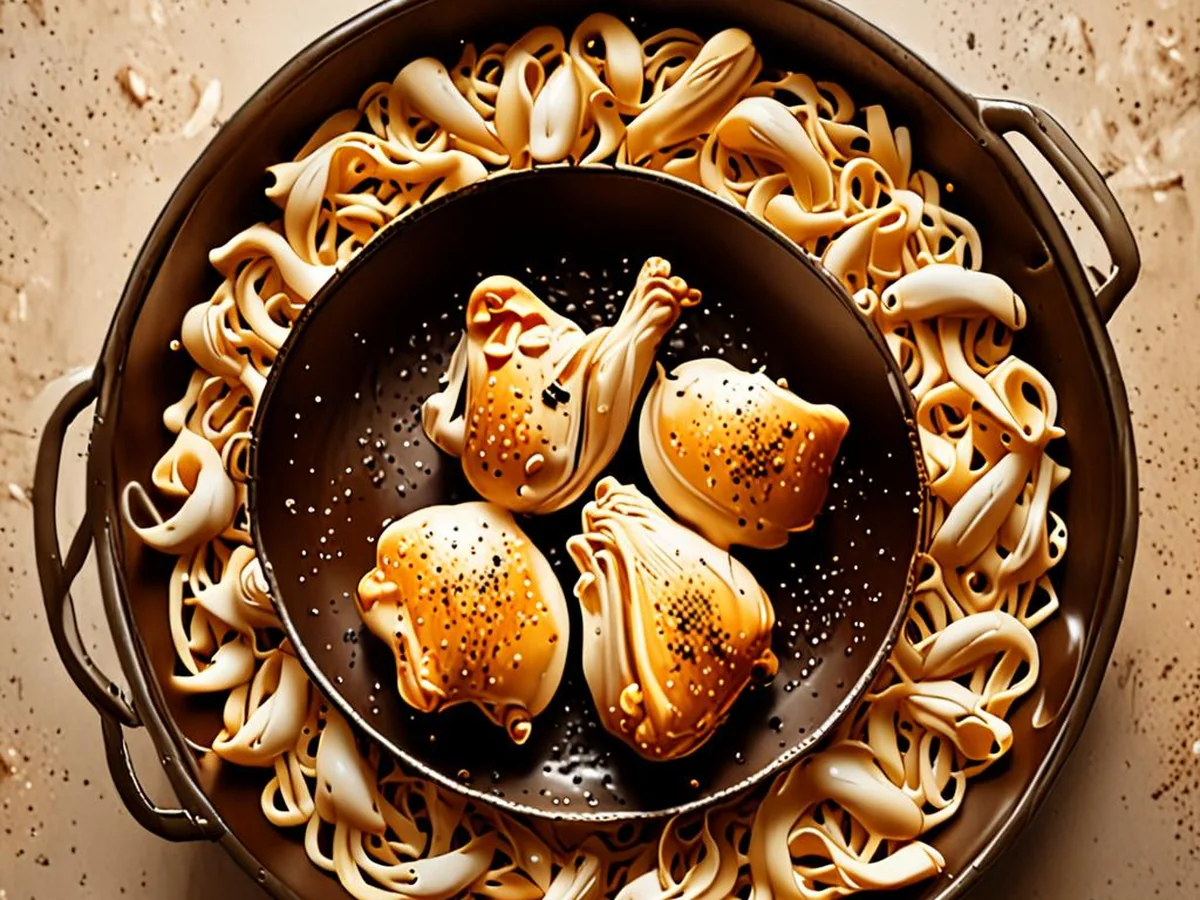
To prepare this dish effectively, you should prioritize the texture of your pasta and the aromatic base of your sauce. Cooking the noodles to an al dente texture is essential because it ensures they maintain their integrity when tossed in the final pan. Meanwhile, building the flavor foundation starts with gently sweating the garlic until it is fragrant but not browned.
- Boil your chosen pasta in well-salted water until it reaches an al dente texture, which helps the noodles maintain their structure during later storage and final assembly.
- If you are using a stainless steel pan, remember the common guidance to preheat the surface thoroughly before adding any oil to prevent the chicken from sticking.
- Sear your chicken pieces until they reach a safe internal temperature of 165 degrees Fahrenheit, as recommended by the USDA Food Safety and Inspection Service, using a digital meat thermometer for accuracy.
- Remove the cooked chicken from the heat, then add fresh, minced garlic to the same pan, sweating it over medium-low heat until it releases its aroma without burning.
- Deglaze the pan with a splash of liquid to lift the browned bits, then stir in your cream and cheese to create the base for your garlic parmesan chicken penne.
- Return the chicken and drained pasta to the pan, tossing everything together until the sauce coats every strand or shape evenly.
Adjusting the consistency of your sauce is a matter of preference. If you find the mixture too thick, you can incorporate a small amount of starchy pasta water to thin it out while helping the sauce emulsify. Once the elements are fully combined and heated through, the dish is ready to serve immediately.
Dietary Adjustments and Substitutions
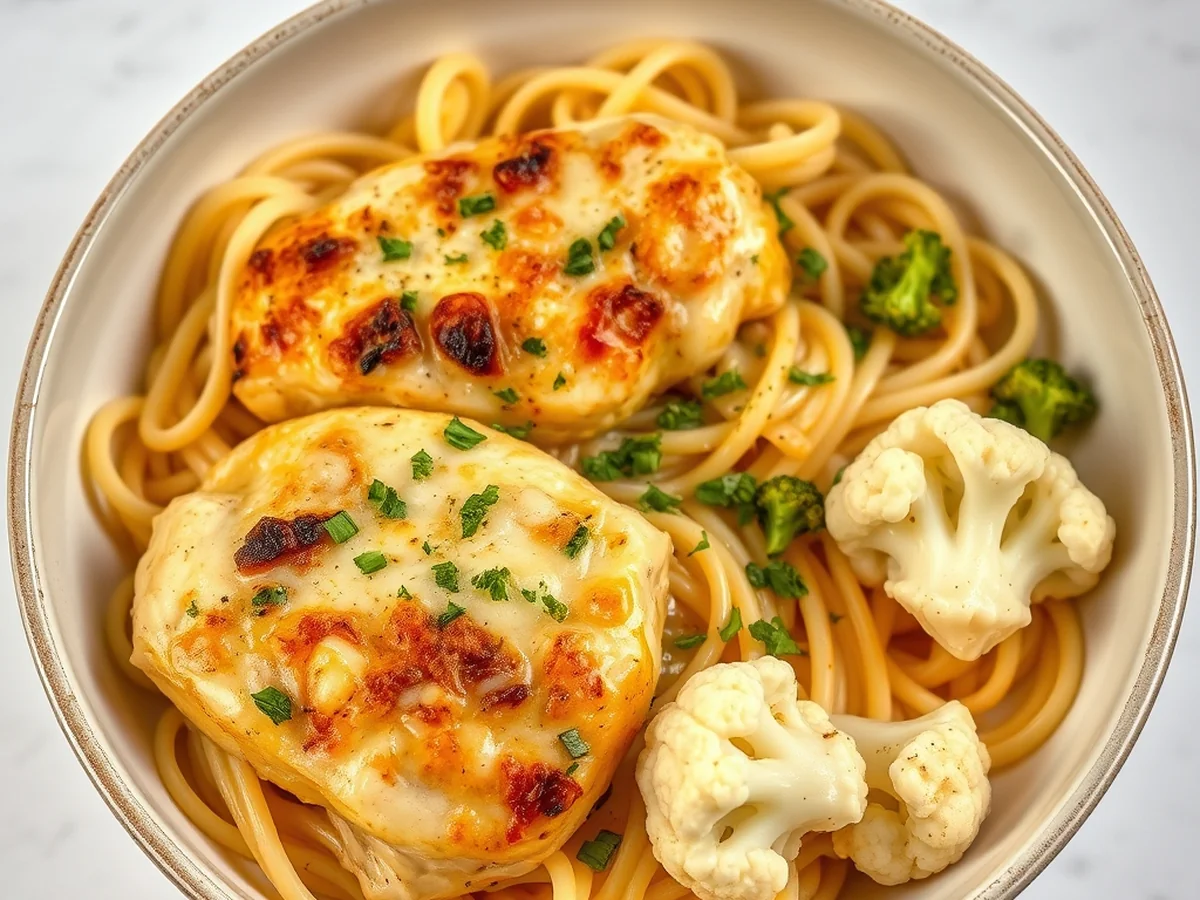
You can easily modify your garlic parmesan chicken and pasta to suit specific dietary needs while maintaining a high-protein profile. Adjusting ingredients allows this meal to fit seamlessly into various nutritional plans without sacrificing flavor or texture.
When preparing gluten-free alternatives, common guidance suggests you pay close attention to the specific cooking times listed on the package. Gluten-free pasta varieties often have different starch compositions than traditional wheat versions and can become mushy if overcooked. According to the University of Nebraska-Lincoln, cooking your pasta to an al dente texture is essential for maintaining the integrity of the dish during storage.
To reach higher protein goals, you may simply increase the ratio of lean poultry to noodles in each serving. Adding extra chicken breast provides a significant protein boost, helping the meal satisfy appetite requirements for active individuals. Ensure the chicken reaches a safe internal temperature of 165 degrees Fahrenheit as recommended by the USDA Food Safety and Inspection Service to maintain food safety standards.
For those who prefer to avoid heavy whipping cream, several effective alternatives can still yield a rich and satisfying sauce. You might use half-and-half or a blend of milk and a small amount of cornstarch to achieve the desired consistency. Another option involves creating a roux with butter and flour before adding milk, which naturally thickens the sauce without heavy dairy. These easy weeknight chicken pasta recipes prove that you do not need heavy cream to create a luxurious, restaurant-quality coating for your protein and noodles.
Managing Leftovers and Storage
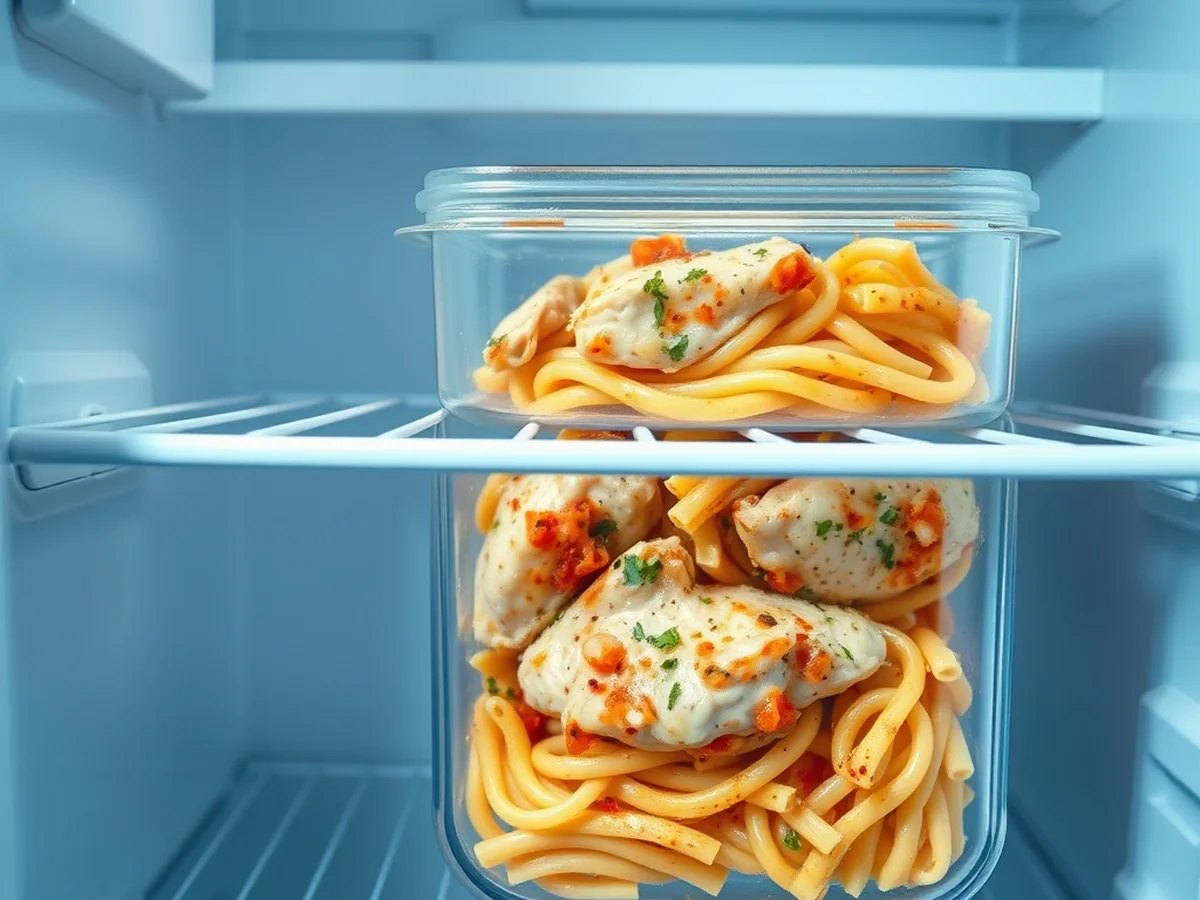
Properly cooling and reheating your meal ensures that the creamy sauce stays smooth and the chicken remains safe to eat. To maintain the best quality, avoid leaving your meal at room temperature for more than two hours.
Cooking your noodles to an al dente texture is a key step that helps maintain structural integrity during storage. Because the pasta has a firm bite, it is less likely to absorb excess moisture from the sauce while sitting in the refrigerator, which prevents your leftovers from becoming mushy or soft upon reheating.
- Spread the cooked dish in a shallow container to speed up the cooling process before placing it in the refrigerator.
- Ensure the pasta is cooked al dente to help it hold its shape during storage and subsequent warming.
- Add a small splash of water or broth to the container when reheating to help loosen the sauce without thinning it out too much.
- Use a low heat setting on the stove to gently warm the leftovers, stirring constantly to prevent the dairy-based sauce from breaking.
- Avoid using the microwave for high-power heating, as this can cause the fat in the cheese sauce to separate and become oily.
Following these simple steps keeps the meal tasting nearly as fresh as when you first prepared it. By preventing the sauce from overheating and ensuring the noodles stay firm, you can enjoy a high-protein dinner multiple times throughout the week.
Tips for Creamy Pasta Sauce
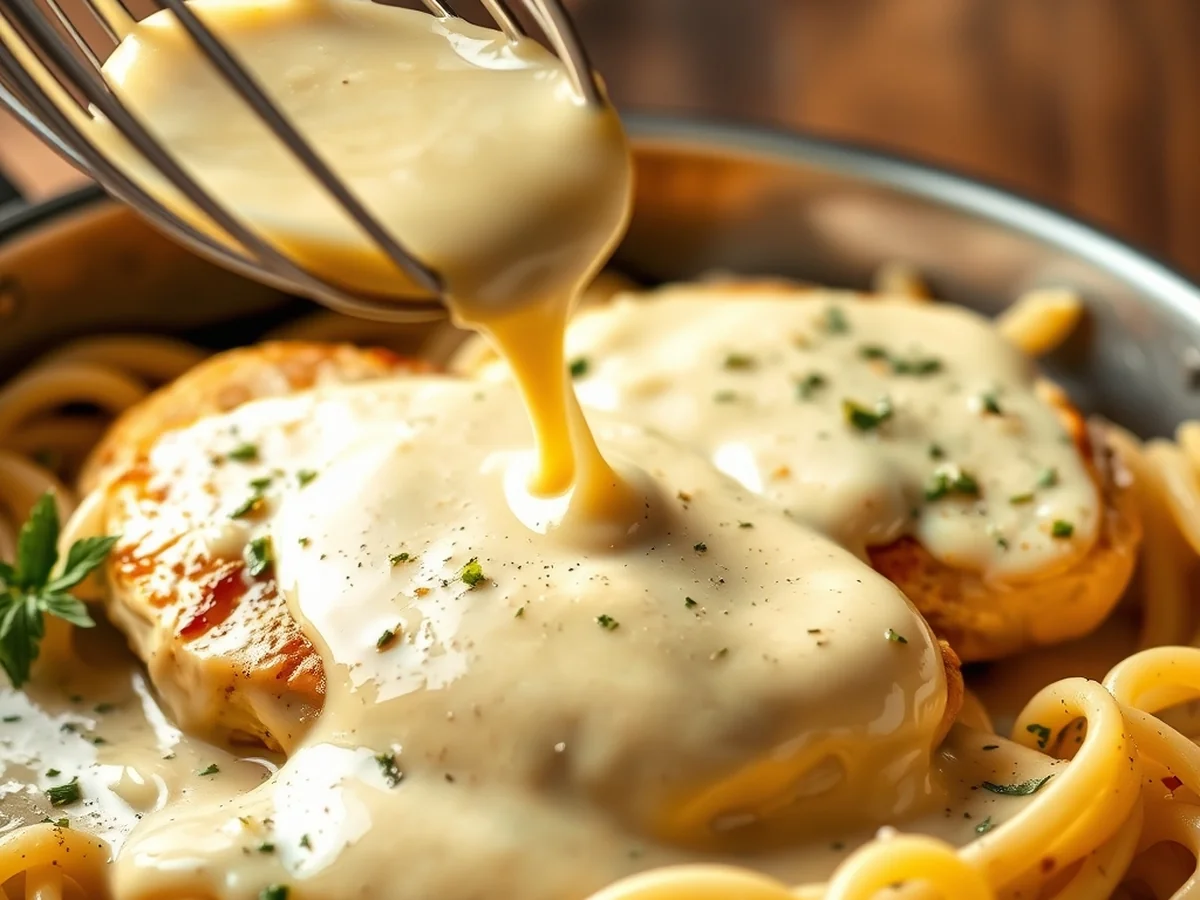
You can often rescue a separated or broken sauce by removing it from the heat and whisking in a small splash of cold liquid, such as heavy whipping cream or even a little pasta water. If the texture remains uneven, adding a tiny amount of cold butter and whisking vigorously helps re-emulsify the fats and liquids back into a smooth, cohesive glaze.
Preventing dry, tough poultry is best achieved by using a digital meat thermometer to confirm the center has reached the internal temperature of 165 degrees Fahrenheit, as recommended by the USDA Food Safety and Inspection Service. Removing the protein from the heat immediately upon reaching this temperature ensures it stays juicy. Because smaller pieces cook rapidly, keeping your cuts uniform in size helps ensure every bite finishes at the same time without needing to overcook the entire batch.
When you opt for pre-shredded cheese, be aware that it contains anti-caking agents like cellulose which can impact how smoothly the sauce thickens and melts. You may need to adjust your seasoning levels, as these pre-packaged options often contain added starches that dull the natural saltiness and sharpness found in freshly grated Parmigiano Reggiano. It is also helpful to melt this type of cheese slowly over low heat to prevent the sauce from becoming grainy.
- Stir in cheese gradually to maintain a consistent melt.
- Cook pasta to an al dente texture to help it hold up better against the creamy coating.
- Consider the higher salt content of processed cheeses before adding extra salt to your meal.
Serving Suggestions and Pairings
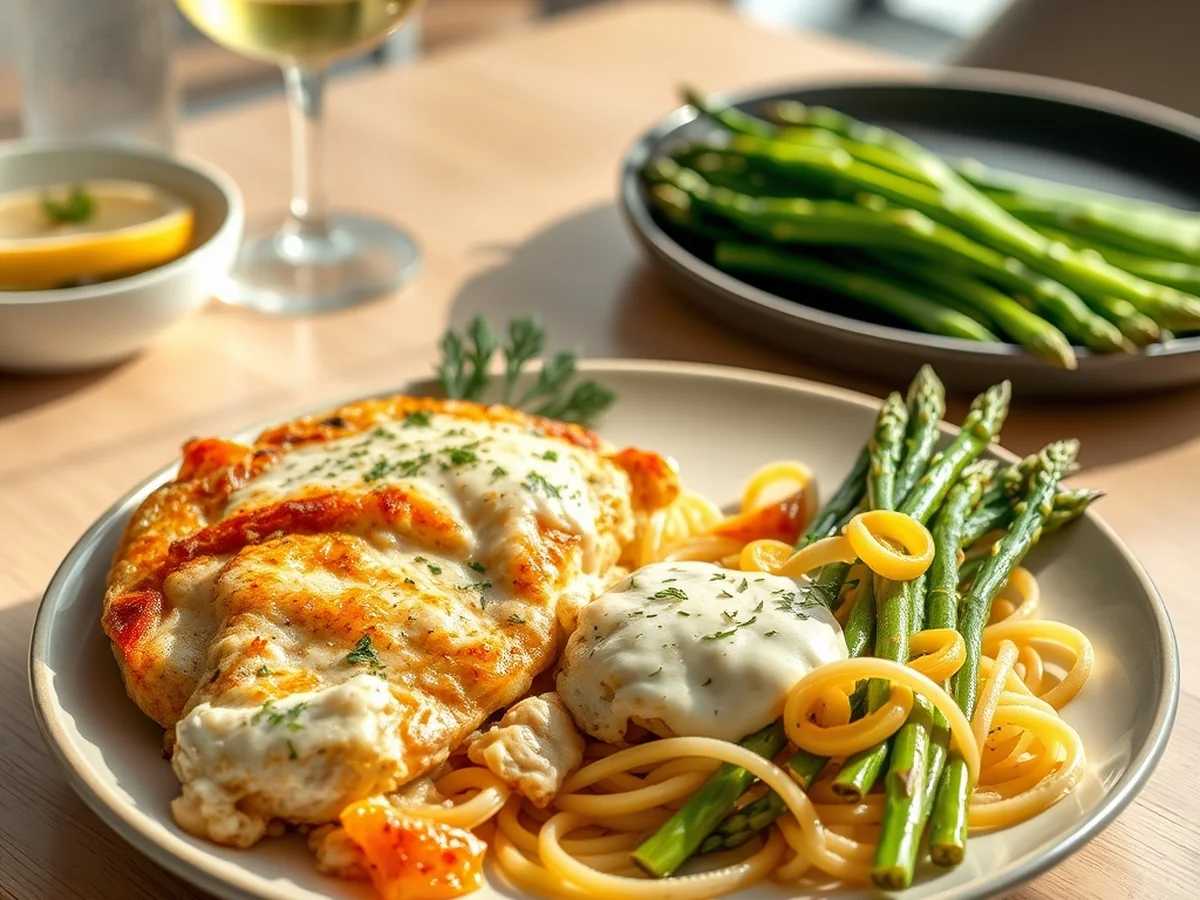
Pairing this savory, cheese-forward entree with bright, acidic vegetables helps cut through the richness of the creamy sauce. Because the main dish features a heavy, indulgent flavor profile, your side dishes should provide textural contrast and a refreshing finish to balance the meal.
Consider these options to create a well-rounded dinner plate or a balanced lunch box:
- Steamed green beans finished with a squeeze of fresh lemon juice offer a crisp, vibrant contrast to the creamy sauce.
- A simple arugula salad tossed in a sharp balsamic vinaigrette introduces a peppery bite that cleanses the palate.
- Roasted cherry tomatoes provide a burst of acidity that complements the salty notes of the cheese.
- Thinly shaved fennel and citrus slices create a light, crunchy side that prevents the meal from feeling too heavy.
- Grilled asparagus spears seasoned only with sea salt and black pepper add a clean, earthy component to the plate.
When preparing this meal for your weekly schedule, portioning is key to maintaining quality. Use airtight, individual meal prep containers to keep your servings organized and easy to grab. To ensure the best results upon reheating, cook your pasta to an al dente texture before mixing it with the sauce. This helps the noodles hold their structure rather than becoming mushy during storage. Place the chicken and pasta mixture into the containers once it has cooled slightly, ensuring you leave just enough room at the top to seal the lid securely without compressing the food. This strategy keeps your portions consistent and prevents the creamy coating from separating or absorbing too much into the noodles while sitting in the refrigerator.
FAQ
How do you make garlic parmesan chicken and pasta?
To prepare this dish, sear seasoned chicken breasts in a pan until they reach an internal temperature of 165 degrees Fahrenheit as recommended by the USDA Food Safety and Inspection Service. Once cooked, remove the chicken and stir together heavy whipping cream, minced garlic, and freshly grated Parmigiano Reggiano to create a creamy sauce before tossing in your boiled noodles.
What is the best way to cook chicken in a stainless steel pan?
It is common practice to preheat a stainless steel pan over medium heat for several minutes before adding your oil to prevent sticking. Once the oil shimmers, place your chicken in the pan to encourage a proper Maillard reaction, which develops deep flavor and a golden crust.
Can you make this garlic parmesan chicken penne gluten-free?
You can easily adapt this meal for a gluten-free diet by substituting traditional wheat noodles with your preferred alternative. Keep in mind that cook times for gluten-free pasta often differ from standard varieties, so it is typical practice to check the package instructions closely to ensure you achieve the ideal texture.
How do you store garlic parmesan chicken and pasta leftovers effectively?
To maintain the best quality, store your leftovers in an airtight container in the refrigerator once the food has cooled down safely. Cooking your pasta to an al dente texture helps it maintain its structural integrity during the cooling and reheating process.
What do you eat with this pasta dish?
This rich meal pairs well with simple vegetable sides, such as roasted asparagus, steamed broccoli, or a light green salad with a vinaigrette dressing. These crisp options help balance the creamy nature of the sauce for a well-rounded dinner.
Conclusion
The next step is to gather your fresh ingredients and a digital meat thermometer to ensure your chicken reaches the safe internal temperature of 165 degrees Fahrenheit as recommended by the USDA. Cooking your pasta to an al dente texture will help it hold up perfectly if you have leftovers to store for later. Whether you are prepping for a busy work week or hosting a family dinner, this garlic parmesan chicken and pasta recipe offers a reliable, high protein option that comes together quickly in your own kitchen.
Sources: food.unl.edu
You might also like: Cheesy Broccoli Casserole Recipe