Crockpot Chicken Fajita Soup Dump And Go Recipe
Introduction
You can prepare a hearty meal with minimal effort by using this simple crockpot chicken fajita soup method. This dump and go recipe allows you to combine all ingredients in your slow cooker for a hands-off dinner that fits perfectly into a busy weeknight schedule.
This article provides a straightforward approach to creating this flavorful dish, including tips on achieving the ideal consistency and texture. You will find detailed guidance on slow cooker preparation, including common practices for timing and ingredient selection. We also cover how to customize your soup with various add-ins and the best toppings for chicken fajita soup to suit your personal preferences. Whether you are looking for a quick, filling meal or want to explore variations like stovetop cooking or ingredient substitutions, this guide offers all the information needed to master this high-protein comfort meal.
Why You’ll Love This Soup
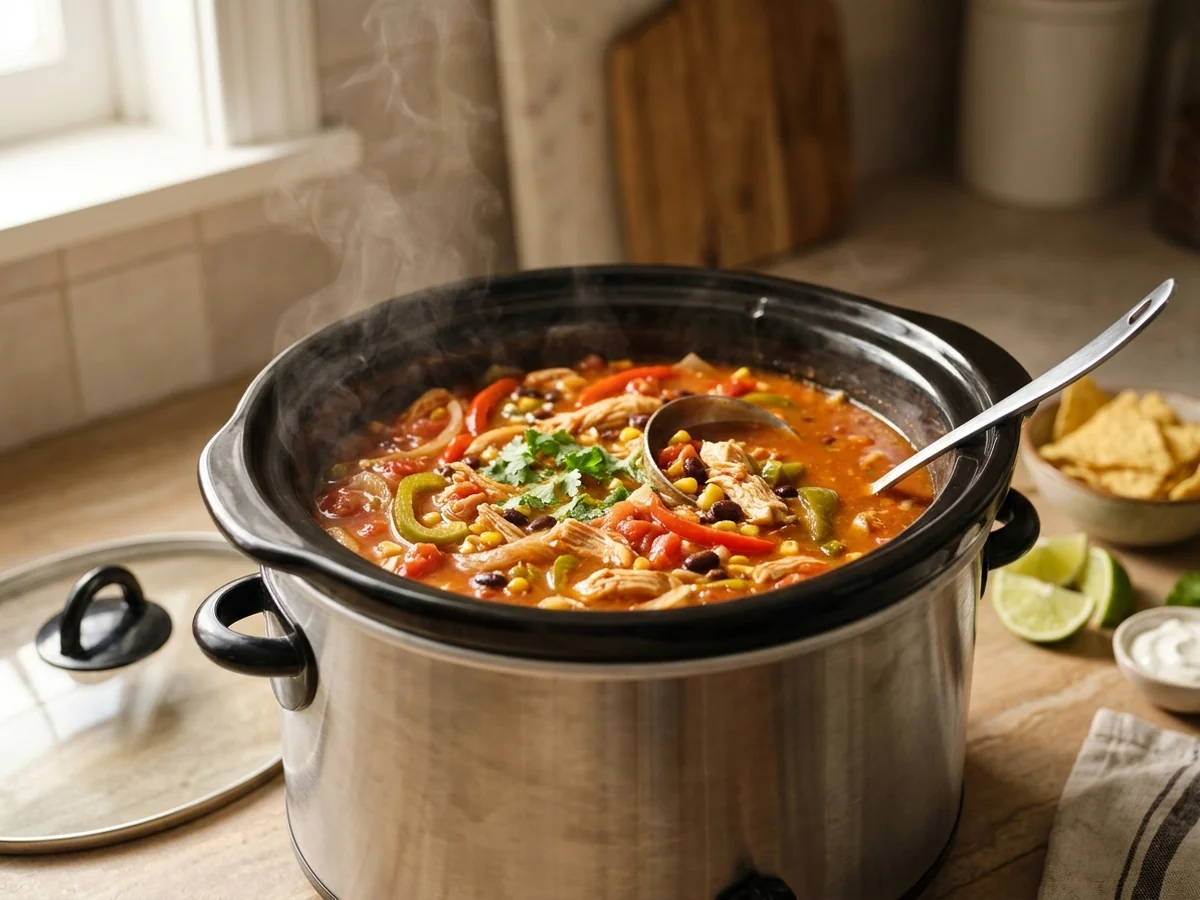
Crockpot chicken fajita soup is a standout choice for anyone balancing a demanding schedule with the desire for high protein comfort food. This meal excels as a dump and go solution, allowing you to combine your ingredients in the slow cooker and step away. By design, it minimizes active kitchen time, making it an ideal candidate for meal prep or a stress free weeknight dinner.
Texture and Flavor Balance
The secret to a truly satisfying bowl lies in the liquid base. While many recipes use a combination of chicken broth and aromatics, incorporating heavy cream elevates the experience. Heavy cream provides a specific texture and taste that lower fat milk options may not replicate, resulting in a rich, smooth mouthfeel that balances the acidity of the bell peppers and fajita seasoning. If you prefer a thinner consistency, you can adjust the ratio of broth to cream, though the cream remains vital for that signature indulgence.
Flexible Preparation Methods
While the slow cooker is popular for its hands off nature, this recipe is remarkably adaptable. It is common practice for slow cooker chicken fajita soup to be cooked on low heat for 8 hours, which helps develop deep flavors and tenderizes the chicken breast. If your schedule changes and you need dinner faster, stovetop preparation for chicken fajita soup can typically be completed in approximately 35 minutes. This method still allows for the same core ingredients, such as onions and peppers, to soften perfectly.
Maximizing Your Meal
To turn this soup into a more filling main course, consider adding cooked rice or black beans directly into the pot. These additions can increase the hearty nature of the meal without requiring extra pots or pans. When preparing the chicken, ensure it reaches the proper internal temperature for food safety before shredding. Once the meat is tender, it shreds easily with two forks right in the cooking liquid, keeping cleanup contained to a single vessel.
Consider these benefits for your dinner rotation:
- It offers a virtually hands off cooking process for busy evenings.
- You benefit from a high protein meal that fits into a balanced diet.
- The preparation requires no advanced culinary skills, making it accessible for any home cook.
- Cleanup is simplified to washing just one piece of equipment.
- The bold, familiar flavors of fajitas appeal to diverse tastes at the table.
Whether you are managing a busy family calendar or simply want a reliable, nourishing meal, this approach proves that high quality food does not need to be complicated.
Essential Ingredients
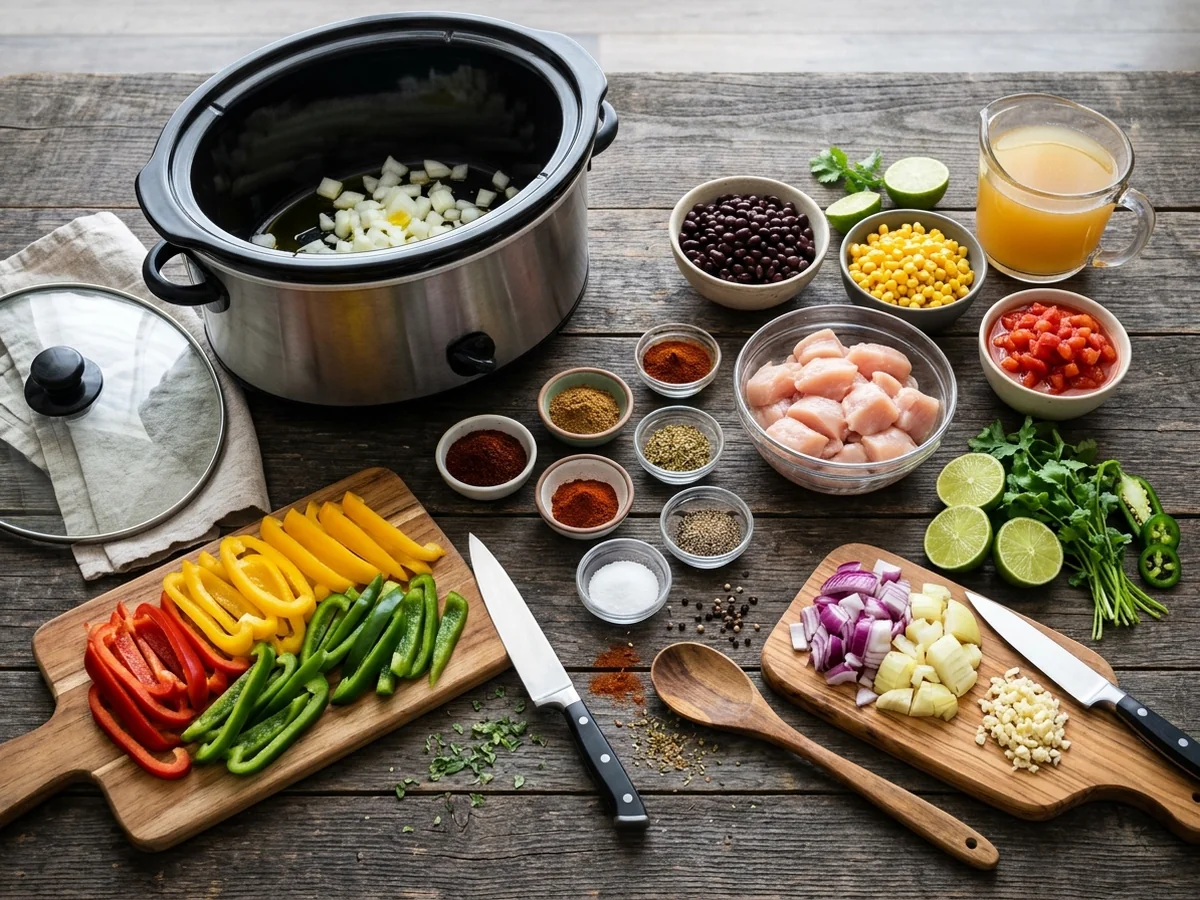
The foundation of a successful crockpot chicken fajita soup relies on a balance of pantry staples and fresh aromatics. By focusing on high quality core items, you ensure a hearty texture and a cohesive flavor profile that develops during the slow cooking process. Because this is a dump and go style meal, selecting the right components at the start is vital for the final consistency.
Core Components for Success
- Chicken breast provides a lean, high protein foundation that is ideal for shredding once it reaches the proper internal temperature.
- Bell peppers and onions form the traditional aromatic base, softening into the liquid to provide that signature fajita flavor.
- Chicken broth serves as the primary liquid, helping to meld the spices and juices together. If you prefer a thinner consistency, you can adjust the amount of broth added.
- Fajita seasoning acts as the primary flavor bridge. Whether you use a pre-mixed packet or a custom blend of cumin, chili powder, and garlic, this is where the bold, restaurant style taste originates.
- Heavy cream is often incorporated to achieve a rich, velvety texture. According to the Strayer University Articulate project, heavy cream provides a specific texture and taste that lower fat milk options may not replicate.
Customizing and Scaling Ingredients
While the base recipe is reliable, you can easily modify your slow cooker chicken fajita soup ingredients to suit your household needs. For those looking to increase the filling nature of the meal, adding cooked rice or black beans and corn provides extra bulk without complicating the process. When preparing this for large groups, remember that you can scale the volume of ingredients proportionally, provided you stay within the capacity of your slow cooker.
Preparation Variations
Although the slow cooker is the preferred method for hands off cooking, you are not limited to one technique. It is common guidance to cook this soup on low heat for 8 hours to allow the flavors to deepen and the chicken to tenderize. However, if time is limited, stovetop preparation for chicken fajita soup can typically be completed in approximately 35 minutes. Regardless of your chosen method, always verify that the chicken is fully cooked before shredding it directly in the pot. If you find the flavor of your seasoning blend too intense, start with a smaller portion and adjust to your personal preference before the cooking cycle begins.
Slow Cooking The Fajita Soup
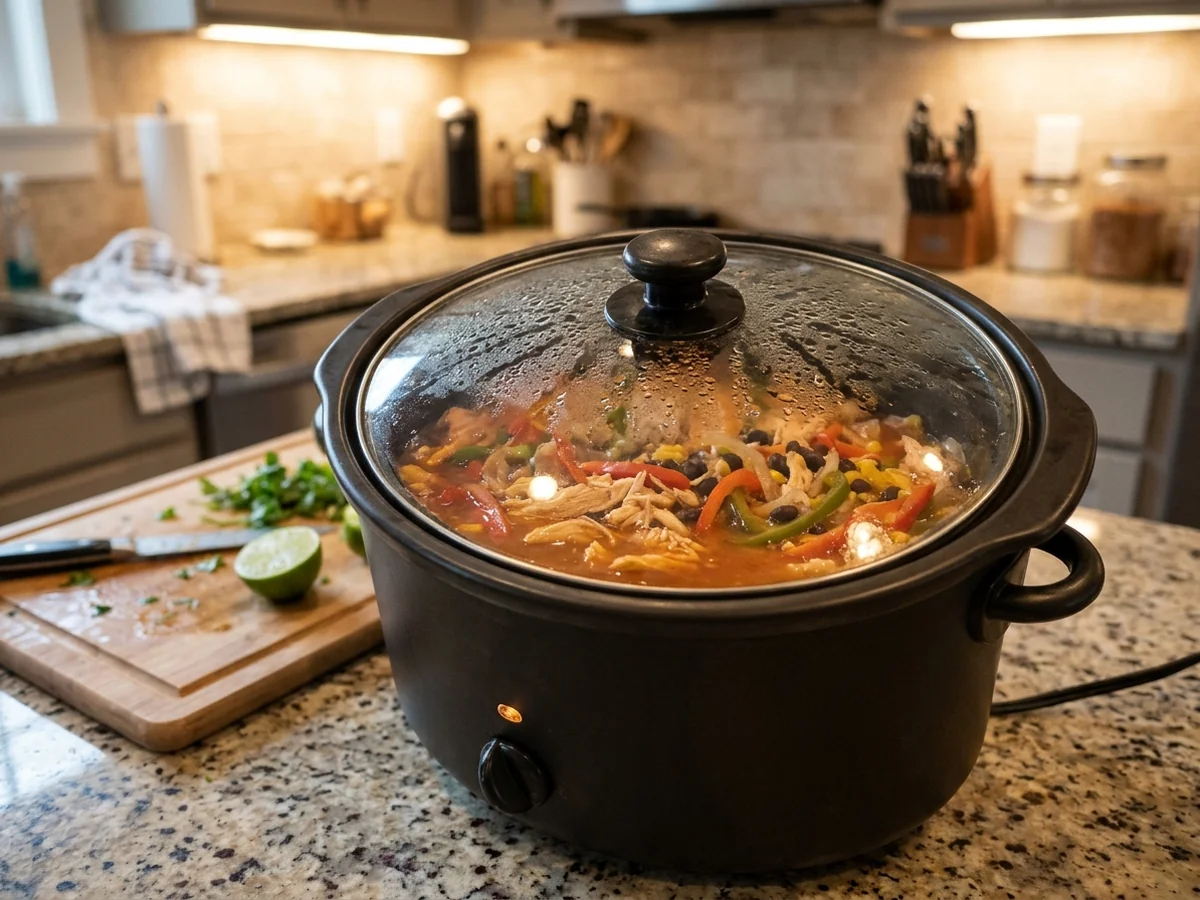
Cooking your meal on low heat for 8 hours is a common practice that allows the flavors of your crockpot chicken fajita soup to develop slowly. This setting is often preferred for busy weeknights because it provides a reliable, hands-off approach that helps prevent the chicken from drying out during the long cooking process.
Temperature settings play a significant role in the final texture of your protein. While high heat cooks the meal in less time, it can sometimes lead to tougher meat fibers. Using the low setting provides a gentler, more consistent heat that encourages the chicken to become tender enough to pull apart easily with a fork once the cooking time is complete.
Shredding the chicken directly inside the slow cooker is the most efficient way to finish your meal without creating extra dishes. Simply follow these steps to achieve the right consistency:
- Ensure the chicken has reached a safe internal temperature before you begin shredding.
- Remove the chicken breasts from the liquid onto a plate if you find it easier to work with, or keep them submerged if you prefer a one-pot method.
- Use two forks to pull the meat apart into bite-sized pieces.
- Return the shredded chicken to the pot and stir well so it can absorb the seasoned broth and creamy base.
The combination of broth and heavy cream is standard in many recipes to ensure a rich mouthfeel. It is a fact that heavy cream provides a specific texture and taste that lower fat milk options simply cannot replicate. If you choose to swap the cream for a thinner dairy alternative, expect the consistency of your finished soup to be lighter and less velvety than the original version. Keeping your slow cooker covered during the final shredding step helps maintain heat and keeps the soup at an ideal serving temperature while you prepare your favorite toppings.
Achieving Creamy Fajita Soup
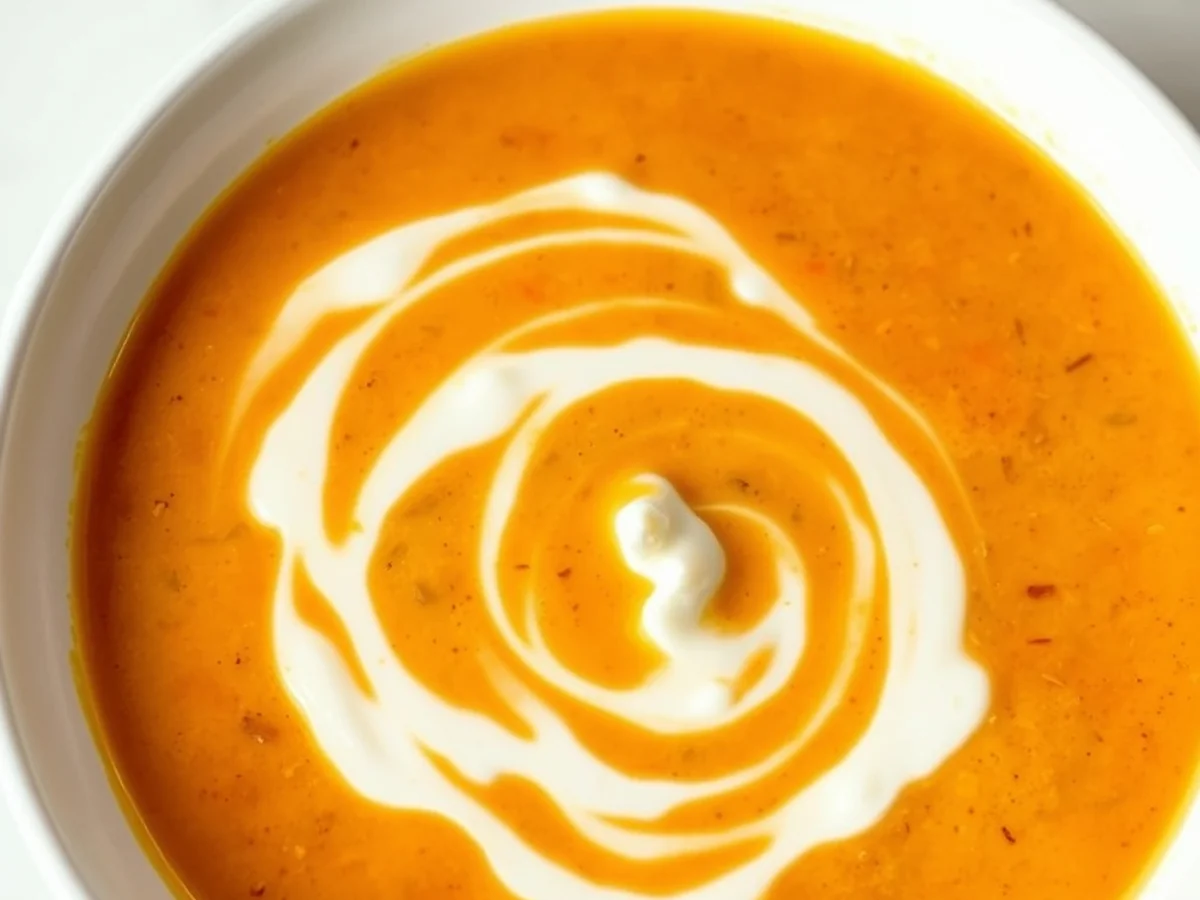
Heavy cream provides a specific texture and taste that lower fat milk options may not replicate. Because of its higher fat content, heavy cream creates a rich, velvety mouthfeel that remains stable when heated. In contrast, lower fat milks often lack the necessary structural components to prevent curdling or separation when combined with acidic ingredients like tomatoes or lime juice commonly found in this dish. If you are preparing an easy crockpot chicken fajita soup, using heavy cream ensures the dairy integrates smoothly with your chicken broth base, resulting in a cohesive, restaurant-style consistency.
Managing Heat and Stability
One of the most common mistakes when preparing a creamy chicken fajita soup recipe is adding the dairy too early. High heat over extended periods can cause even heavy cream to break or separate. To maintain the best consistency, add your cream during the final thirty minutes of cooking. This window is sufficient to warm the dairy through without subjecting it to the prolonged, intense heat that leads to curdling. If you are using a slow cooker, ensure the lid is replaced promptly after stirring to retain the internal temperature required for food safety.
Adjusting Texture and Filling
The total liquid content in many recipes includes a strategic blend of broth and cream. The broth acts as a savory foundation that carries the fajita seasoning, while the cream softens the intensity of the spices and adds a comforting finish. If you prefer a thinner soup, you can simply increase the volume of broth added at the beginning of the process. Conversely, if you want a heartier texture, consider stirring in cooked rice. Adding cooked rice to chicken fajita soup can increase the filling nature of the meal, making it a more substantial dinner option for busy weeknights.
Best Practices for Dairy Incorporation
- Avoid boiling the soup base after adding dairy products to prevent separation and texture issues.
- Use room temperature cream to help it incorporate more smoothly into the warm liquid foundation.
- If you find the soup is too thick toward the end of your cooking time, add an extra splash of warm broth rather than more cream to keep the flavor profile balanced.
Stovetop Preparation Alternative
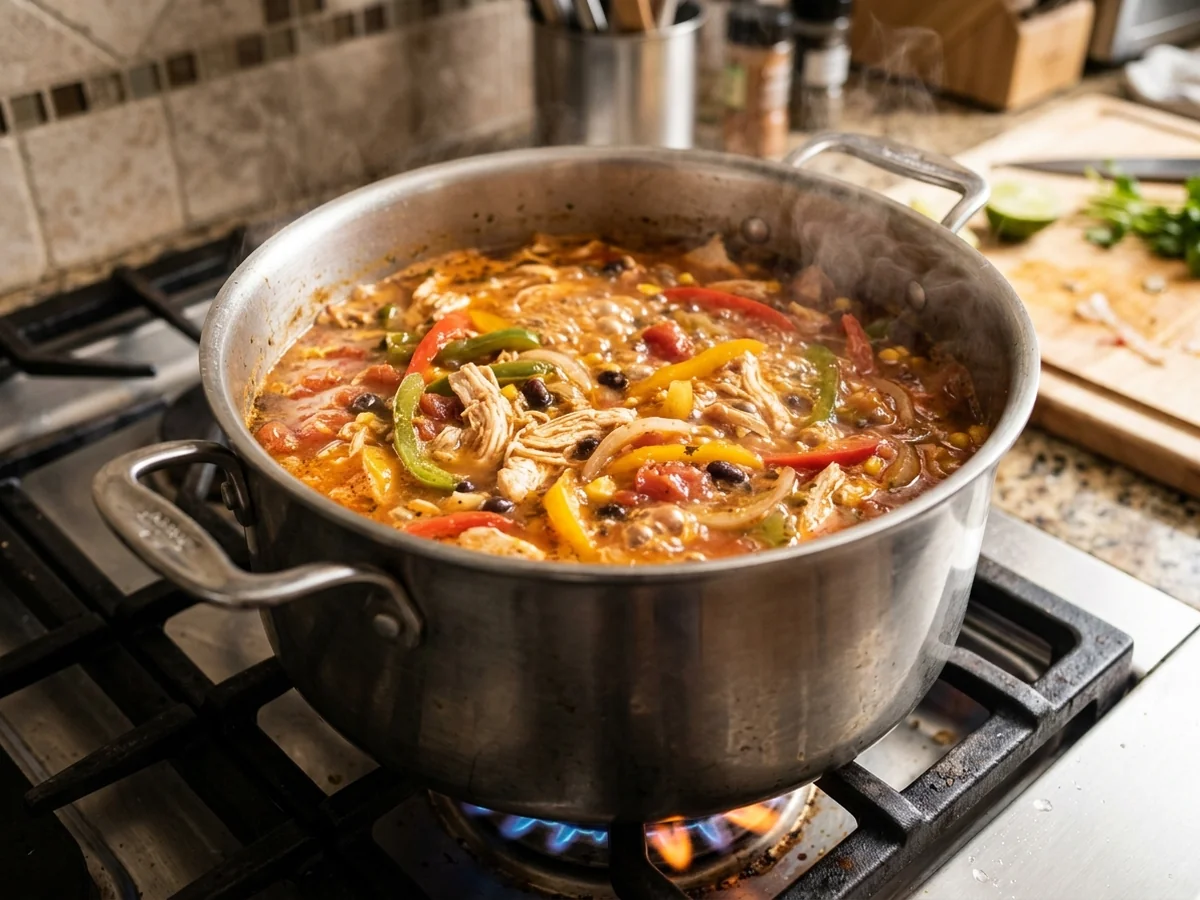
You can achieve a similar result to an easy crockpot chicken fajita soup in much less time by using your stovetop. This method is ideal when you need a hearty dinner ready in under an hour without waiting for a slow cooker to finish its cycle.
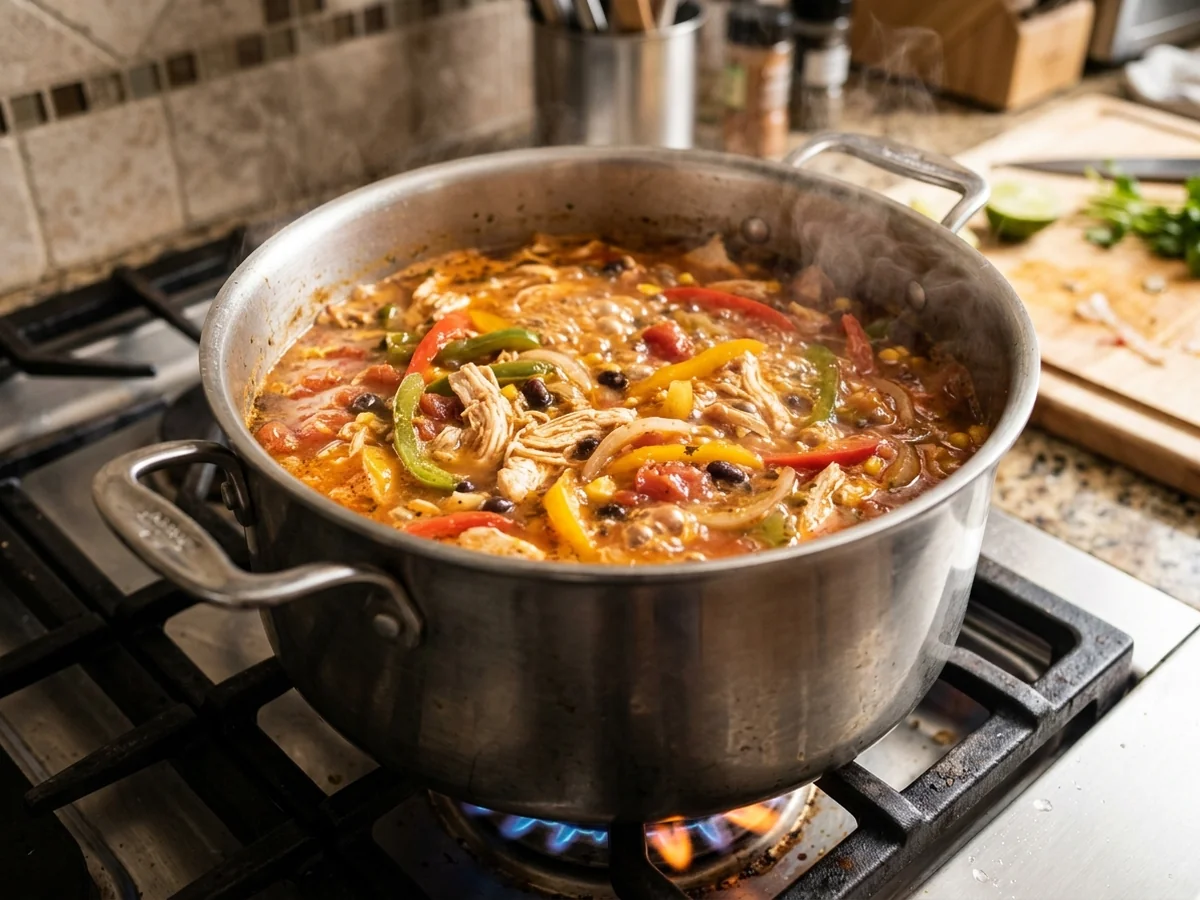
Common guidance suggests that stovetop versions of this dish take about 35 minutes to prepare from start to finish. You begin by sautéing your chicken and vegetables in a large pot or Dutch oven, then adding your broth and seasonings to simmer until the chicken reaches a safe internal temperature.
Timing your vegetable additions is essential for maintaining the right texture. If you prefer your bell peppers and onions to retain a slight crunch rather than becoming overly soft, add them to the pot during the final 10 minutes of cooking. Adding them too early can result in mushy vegetables that lose their characteristic fajita bite.
Managing the liquid base is another key step during stovetop cooking. If you are incorporating heavy cream to achieve a specific thickness and flavor profile, wait until the very end of the process to stir it in. Adding the cream after you have removed the pot from the heat prevents it from separating or curdling at high temperatures. This ensures the final meal maintains the rich, velvety consistency that lighter milk options cannot provide.
Whether you choose to use a slow cooker or the stovetop, the foundational elements remain the same. Both methods allow you to customize your meal with additions like cooked rice, which can increase the filling nature of the dish. By adjusting your heat and timing, you can enjoy this high protein comfort food on any weeknight, regardless of your schedule.
Flavorful Additions
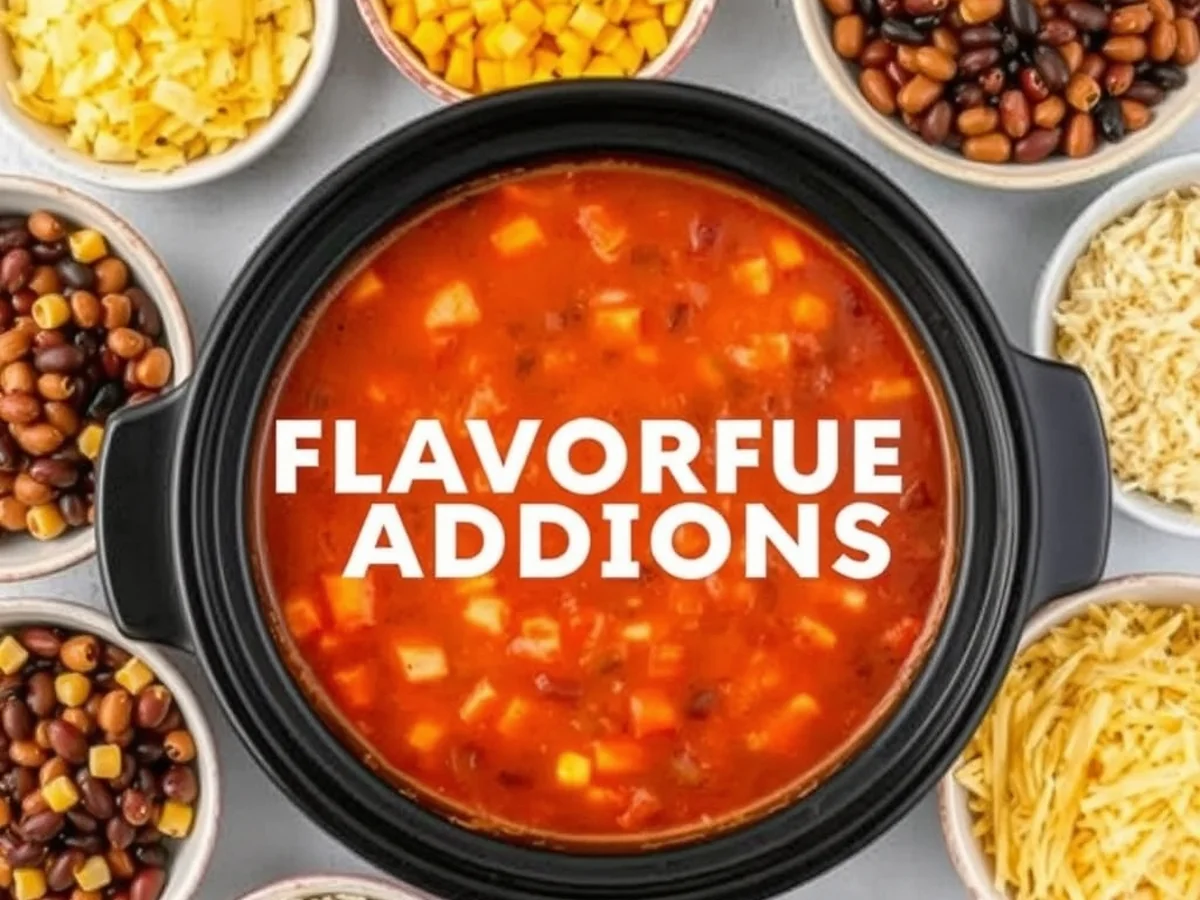
Customizing your crockpot chicken fajita soup allows you to tailor the volume, texture, and nutritional profile of the dish to suit your household needs. Because the base is flexible, incorporating pantry staples helps stretch the recipe further, making it an ideal candidate for meal prep or feeding a larger group without needing to increase the amount of chicken breast used.
When selecting additions, consider how they interact with the overall consistency of your soup:
- Black beans: These add a hearty, fiber-rich texture that complements the tender chicken. They are a simple way to increase the protein density of the meal.
- Corn: Adding frozen or canned corn introduces a subtle sweetness that balances the savory, spiced broth.
- Cooked rice: Common guidance suggests that stirring in pre-cooked rice can significantly increase the filling nature of the meal. If you plan to add rice, consider doing so toward the end of the cooking process to ensure it maintains its texture.
A common mistake when adding extra bulk is neglecting the liquid balance. If you introduce starches like rice or beans, they will naturally absorb some of the broth, which can lead to a thicker consistency than you might prefer. If your soup looks a little too crowded, simply add a small splash of additional chicken broth to maintain your desired soup-to-solid ratio.
For those who prefer a creamy chicken fajita soup recipe, keep in mind that heavy cream provides a specific, rich texture and mouthfeel that lower fat milk options often fail to replicate. According to data from the Strayer University Articulate project, heavy cream offers a distinct culinary result that is difficult to achieve with lighter dairy substitutes. If you decide to experiment with these additions, always monitor the total liquid content. Typical practice often involves a combination of broth and cream to ensure the final bowl remains comforting and satisfying while providing the high-protein intake necessary for a robust weeknight dinner.
Safe Chicken Handling Tips
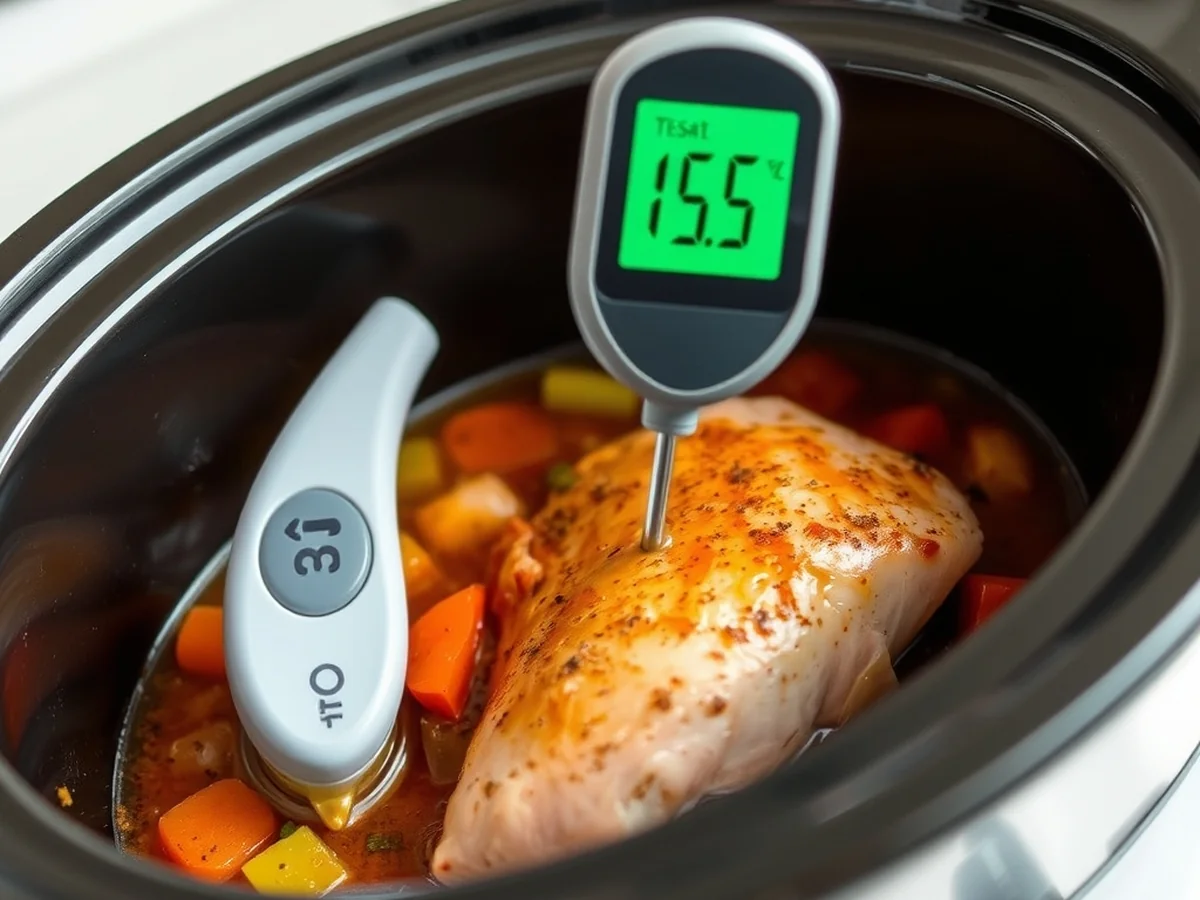
Practicing proper food safety is essential when preparing crockpot chicken fajita soup, especially when working with raw poultry. The most critical step is ensuring the chicken breast reaches an internal temperature of 165 degrees Fahrenheit. This temperature is the recognized standard for eliminating harmful bacteria. Relying on cooking time alone can be deceptive, as slow cooker performance varies based on the appliance model and the specific cut of meat. A digital meat thermometer is the only reliable tool to verify that the chicken is fully cooked.
To check for doneness, insert the probe into the thickest part of the chicken. If you are preparing a recipe where the meat is intended to be shredded, wait until the fibers pull apart easily with a fork before testing the temperature. If your reading falls below 165 degrees, continue cooking until the meat safely hits that threshold. A common mistake is checking only one piece of meat; if your soup contains multiple chicken breasts, test at least two different spots to ensure even heat distribution throughout the pot.
Proper storage is just as vital as the initial cooking process. When you have leftovers, allow the soup to cool slightly before transferring it into airtight containers. Moving hot soup directly into the refrigerator can raise the internal temperature of your fridge, potentially affecting other foods. However, do not leave the soup out at room temperature for longer than two hours, as bacteria multiply rapidly in the danger zone between 40 and 140 degrees Fahrenheit.
- Label your containers with the current date to monitor freshness and ensure you use them within the three to four-day window for refrigerated storage.
- If you choose to freeze the soup for long-term storage, it will maintain its quality for up to three months.
- Always thaw frozen portions in the refrigerator overnight rather than on the counter to prevent unsafe temperature fluctuations.
- When reheating, bring the soup to a steaming temperature throughout, ensuring it is heated evenly rather than just warming the surface.
- Avoid over-crowding the refrigerator with large, deep pots of soup, as this prevents cold air from circulating and cooling the food quickly enough.
Recommended Topping Ideas
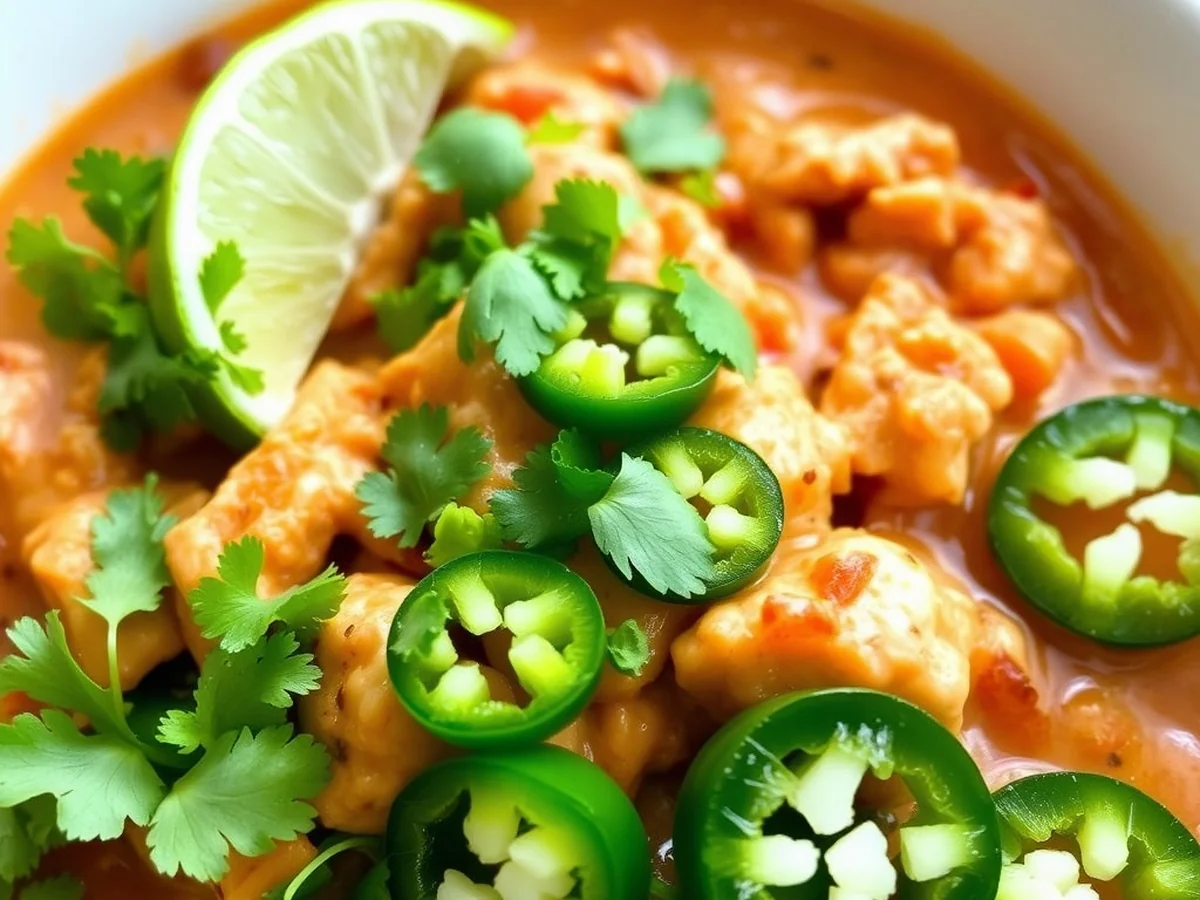
The best toppings for chicken fajita soup elevate a simple bowl into a fully customized, high-protein meal. Because a creamy chicken fajita soup recipe often relies on a rich, heavy cream base, adding fresh garnishes provides necessary contrast in both flavor and texture. Choosing the right toppings ensures your bowl feels like a fresh deconstructed fajita rather than just a standard stew.
Balancing Flavor and Texture
The primary goal when selecting toppings is to balance the savory, slow-cooked broth. Heavy cream provides a specific texture and taste that lower fat milk options simply cannot replicate, but this richness can become heavy on the palate. To cut through that density, use bright, acidic, or crunchy additions. Fresh cilantro and a generous squeeze of lime juice are essential for introducing a sharp, herbal brightness. If you prefer a more robust profile, pickled jalapeños offer both heat and acid, which helps highlight the spices in your fajita seasoning.
Adding Body and Crunch
For those looking to turn this dish into a more substantial dinner, consider how toppings interact with the base. Diced avocado provides a buttery, cool contrast to the warm chicken and bell peppers. If you find the texture too uniform, use toppings to introduce variety. Crumbled tortilla chips or crispy strips offer an immediate, satisfying crunch that breaks up the softness of the slow-cooked ingredients. You can also add cooked rice directly into the bowl to increase the filling nature of the meal, though this is best done right before serving to keep the rice from absorbing too much broth.
| Topping | Function |
|---|---|
| Shredded Cheese | Adds rich, savory depth as it melts into the hot broth. |
| Fresh Cilantro | Provides a vibrant, herbal note to cut through creamy richness. |
| Avocado | Introduces a cool, buttery contrast to tender protein. |
| Lime Wedges | Brightens the entire dish and ensures bold seasonings stand out. |
| Tortilla Chips | Adds necessary crunch to balance the soft, simmered vegetables. |
A common mistake is adding delicate toppings like fresh herbs or avocado too early. Wait until the very end to garnish your bowl, as the residual heat of the soup will quickly wilt fresh greens or turn avocado mushy. By keeping these elements separate until serving, you maintain the structural integrity and fresh appeal of your easy crockpot chicken fajita soup.
FAQ
Can I use lower fat milk instead of heavy cream in my crockpot chicken fajita soup?
You can use lower fat milk, but keep in mind that heavy cream provides a specific texture and taste that lower fat milk options may not replicate. Heavy cream helps create the signature velvety consistency often desired in a bowl of soup made with chicken and peppers.
How long does the soup take to cook in a slow cooker?
Common guidance suggests that slow cooker chicken fajita soup can be cooked on low heat for 8 hours for optimal tenderness. Depending on your schedule, you may also choose higher heat settings for a shorter duration if the chicken is cut into smaller pieces.
Can I prepare this recipe on the stovetop instead?
Stovetop preparation for chicken fajita soup can be completed in approximately 35 minutes using a large pot or Dutch oven. This method is a great alternative when you need a quick meal without the extended cook time of a slow cooker.
What are the best toppings for chicken fajita soup?
Recommended garnishes include fresh cilantro, diced avocado, shredded cheese, and a dollop of sour cream. Adding a squeeze of lime juice right before serving also brightens the flavors of the broth and peppers.
Can I add extra ingredients to make the soup more filling?
Adding cooked rice is a common way to increase the filling nature of the meal. You might also consider stirring in black beans or corn during the last hour of cooking to add fiber and bulk to your bowl.
Conclusion
The next step is to gather your ingredients and decide whether you want a longer, hands-off cooking process or a quicker meal. If you prefer the convenience of a set-it-and-forget-it dinner, you can easily prepare this creamy slow cooker meal by adding all components to your appliance. For those short on time, a stovetop version can typically be completed in about 35 minutes. Regardless of your chosen method, keep in mind that heavy cream provides a specific texture and taste that lower fat milk options may not replicate. Simply choose the technique that fits your schedule, grab your favorite toppings, and enjoy a hearty, high-protein meal tonight.
Sources: articulate.strayer.edu
You might also like: Cheesy Broccoli Casserole Recipe