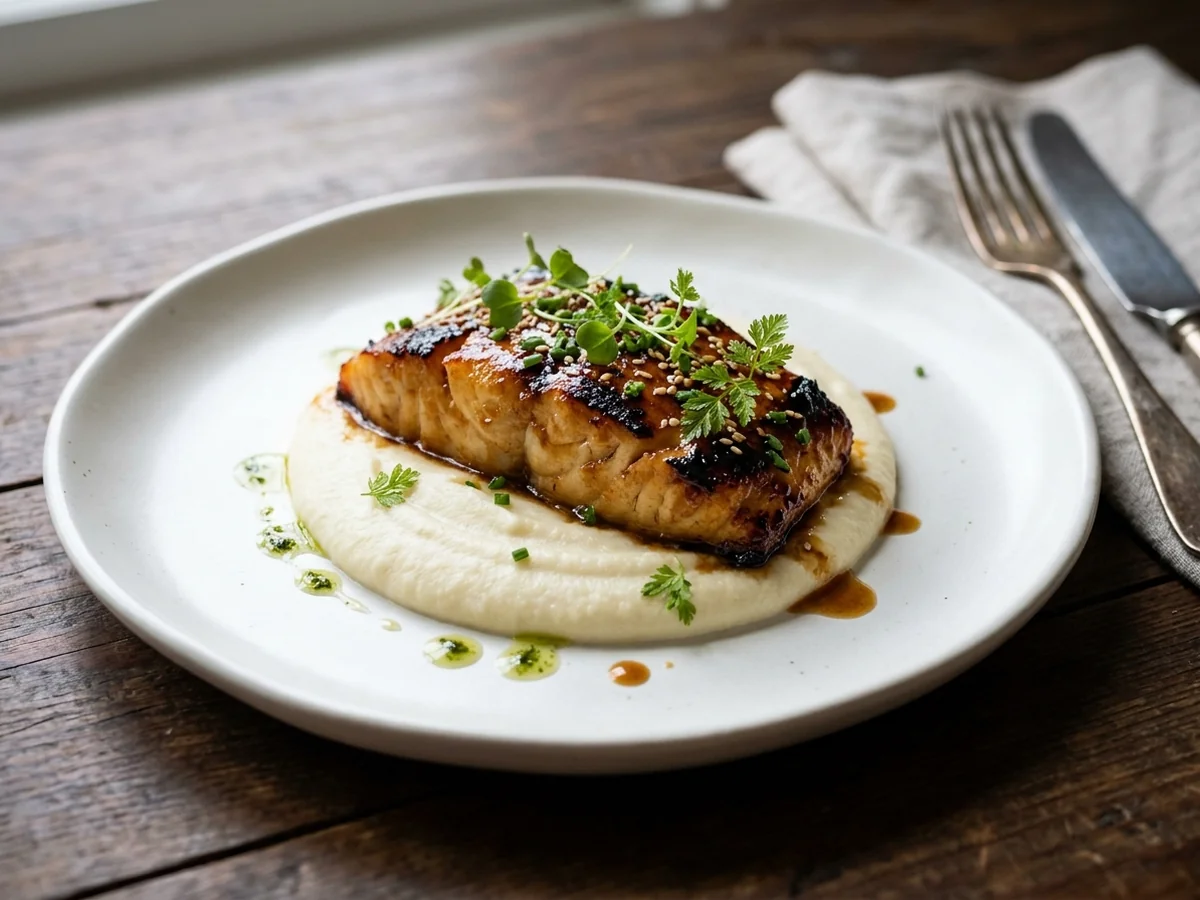
Miso Cod Cauliflower Puree Recipe A Restaurant Style Delight
Introduction
Recreating a restaurant quality meal at home is simple when you pair a savory filet with a smooth vegetable base, making miso cod cauliflower puree a popular choice for weeknight dinners. Common guidance suggests baking the fish at two hundred degrees Celsius while preparing the vegetable blend using shallots, garlic, chicken stock, and double cream.
This guide covers the complete ingredient list, step by step cooking instructions, and professional techniques for balancing the deep umami flavor of white miso paste against mild cauliflower florets. Readers will also find practical tips for achieving a velvety texture using an immersion blender or food processor, alongside storage and reheating methods for meal prep.
Bringing Restaurant Quality Seafood and Vegetable Purees to Your Kitchen
Pairing umami rich miso glazed fish with a silky vegetable base creates a refined dish that brings fine dining right to your home. Busy home cooks often seek out impressive weeknight meals that deliver high protein nutrition without requiring professional culinary training. This preparation transforms simple ingredients into a sophisticated plate that looks and tastes like it came from an upscale bistro.
Common culinary guidance suggests that sweet and savory white miso flavors complement delicate seafood exceptionally well. When exploring the specific taste characteristics, you find a distinct balance of deep savory notes, sweetness from ingredients like mirin, and saltiness that naturally enhances the rich, buttery texture of sablefish. When you balance that rich glaze with a smooth vegetable base, the result offers a satisfying contrast of tastes and textures. It serves as one of the most reliable healthy fish and vegetable dinner ideas for anyone wanting to elevate a standard weeknight routine.
Mastering the Miso Cod Flavor Profile and Cooking Technique
Achieving this level of quality at home starts with proper technique and reliable ingredients. Typical kitchen practices involve roasting the protein at an oven temperature of 200 degrees Celsius to achieve a caramelized exterior while keeping the inside tender. White miso paste and mirin create the characteristic glaze that penetrates the flaky fish, bringing out the distinct umami flavor that defines the dish.
Preparing a Velvety Vegetable Base
Standard methods for the accompaniment often rely on shallots and garlic cooked gently in chicken stock before blending with double cream for a velvety finish. Many home cooks wonder how to make cauliflower puree smooth when preparing this dish. Using cauliflower florets broken down evenly and processed with a high powered immersion blender or food processor helps eliminate lumps and creates the ideal consistency to support the fish.
Adaptations for Dietary Preferences
If you need a dairy free cauliflower puree recipe variation, typical culinary adjustments allow you to substitute double cream with olive oil or vegetable broth while keeping the shallots and garlic base for savory depth. This flexibility ensures that anyone managing dietary restrictions can still enjoy the best side dishes for miso cod without sacrificing richness or flavor.
Miso Cod Ingredients
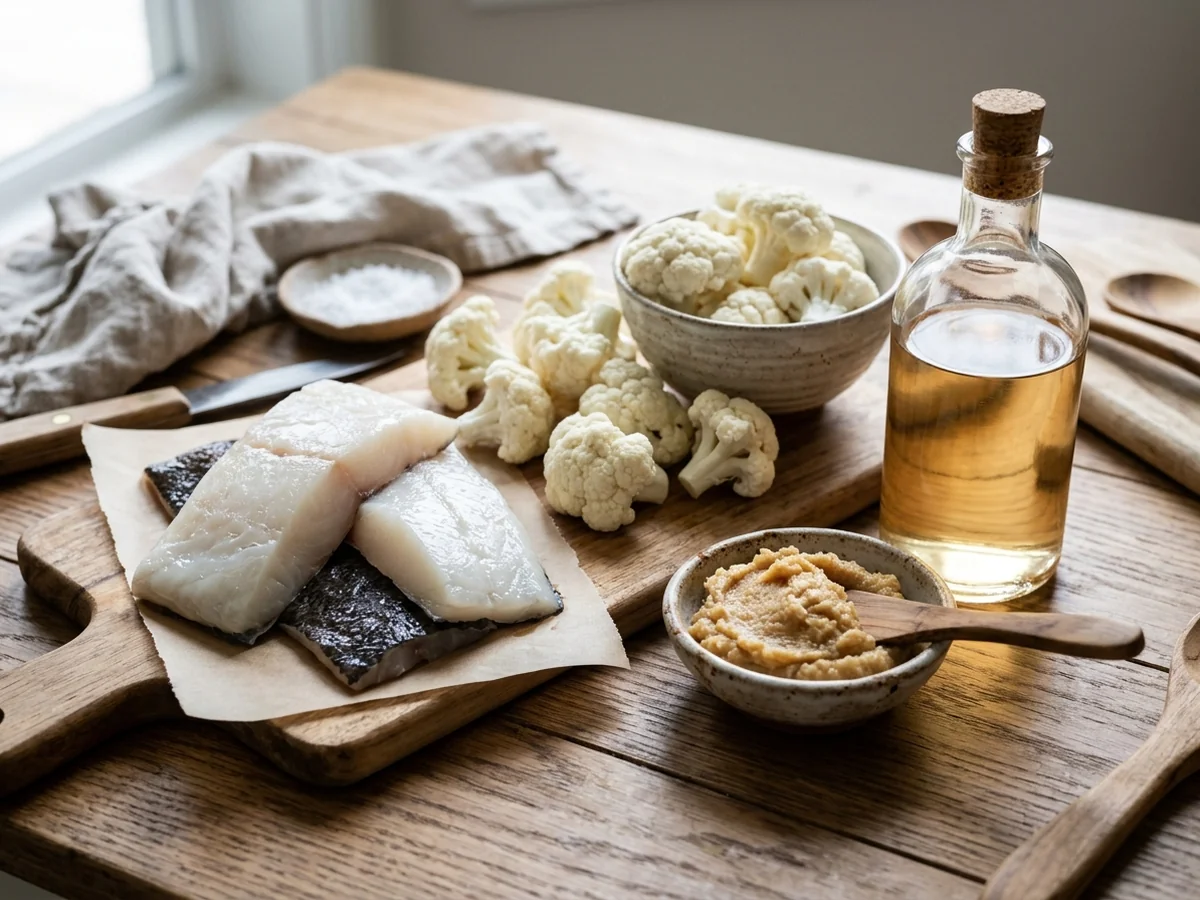
Preparing a healthy fish and vegetable dinner at home requires careful selection of both the main protein and its accompaniment. Gathering precise elements for the fish marinade and the vegetable base ensures a balanced dish that highlights both sweet and savory notes. Understanding what each item contributes to the recipe helps home cooks achieve a restaurant style result on a busy weeknight.
Protein and Marinade Components
The primary seafood component forms the foundation of the meal, relying on rich proteins that absorb glazes effectively. Common culinary guidance suggests using specific elements to build the signature umami flavor profile that defines the dish.
- Sablefish or black cod: This fish provides a rich and buttery protein base that absorbs marinades exceptionally well, creating a tender texture when baked at the typical oven temperature of 200 degrees Celsius.
- White miso paste: This fermented ingredient delivers a sweet and savory umami flavor profile that defines the fish glaze and pairs well with mild vegetables.
- Mirin: A Japanese cooking wine that adds a subtle sweetness and traditional depth to balance the fermented miso paste.
Cauliflower Puree Ingredients
To accompany the seafood, many home cooks turn to a velvety vegetable side. According to common cooking practices, specific aromatics and liquids create a smooth consistency without overpowering the main course.
- Fresh cauliflower florets: These form the tender, mild base of the vegetable side dish, offering a lighter alternative to heavier starches while matching the fish. Miso cod can be paired with cauliflower puree as part of typical recipe variations.
- Shallots and garlic: According to common cooking practices, these aromatics are typically used in the puree base to build savory depth.
- Chicken stock: Chicken stock is used as a base for the cauliflower puree, frequently utilized as a cooking liquid to soften the vegetables before blending.
- Double cream: Double cream is an ingredient in the cauliflower puree, commonly added to bring a luxurious richness and velvety texture to the finished vegetable side.
Sourcing and Preparation Notes
When selecting these items, paying attention to quality makes a noticeable difference in the final taste. A common mistake during preparation is rushing the marination process, which prevents the fish from fully absorbing the deep umami flavor profile. Additionally, failing to simmer the cauliflower thoroughly in the chicken stock before adding the double cream can result in a grainy texture instead of a smooth consistency. Ensuring the shallots and garlic are gently softened rather than browned prevents any bitter notes from overpowering the mild vegetable base.
Preparing The Miso Cod
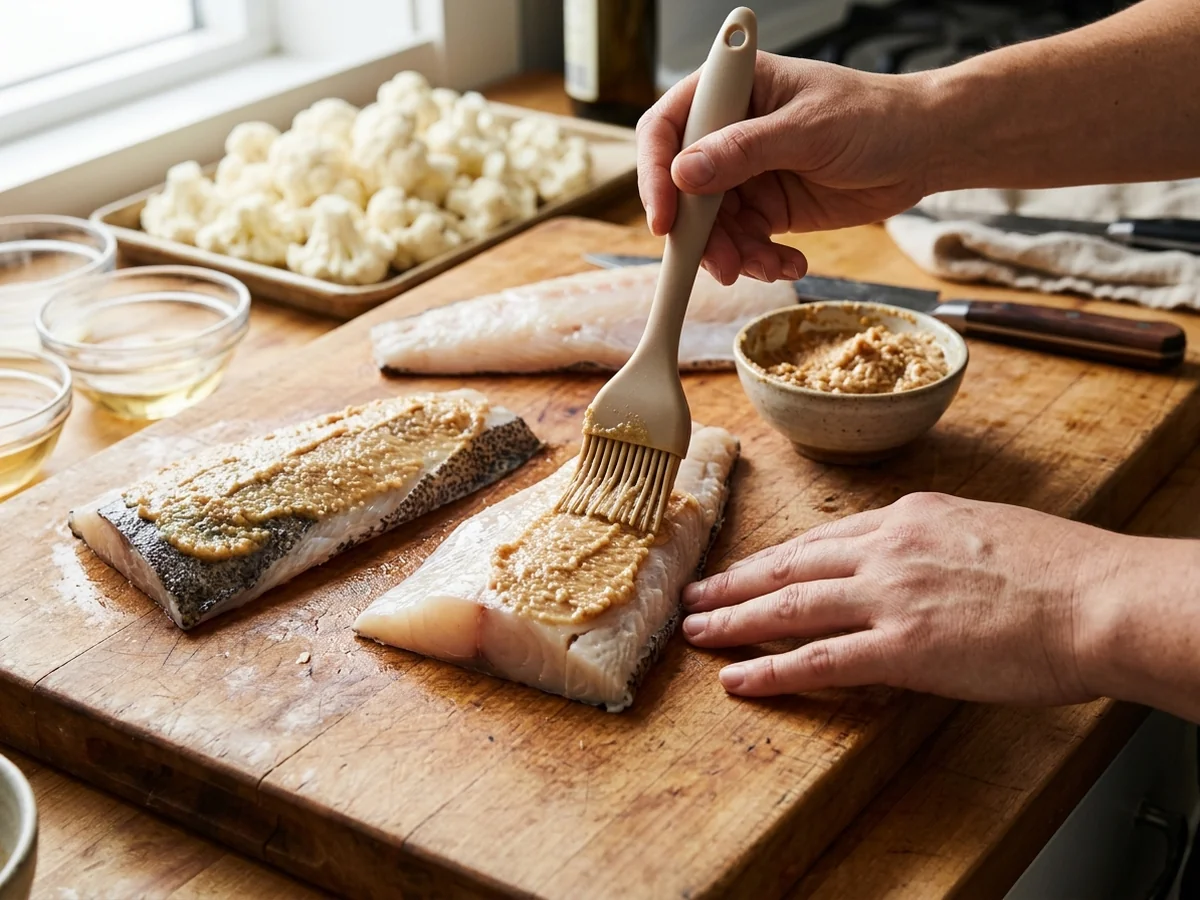
Preparing the sablefish involves coating the delicate fillets in white miso paste and sweet rice wine known as mirin for optimal flavor absorption. Marinating the fish allows the rich umami flavor to penetrate deeply into the flesh before cooking. Understanding the miso cod flavor profile helps home cooks balance the rich sweetness of the marinade with savory elements. You can serve this as part of healthy fish and vegetable dinner ideas to impress your guests with minimal effort.
Marinating and Baking the Sablefish
Common guidance suggests setting the oven temperature for miso cod to 200 degrees Celsius to ensure the glaze caramelizes without burning. Place the marinated fillets on a lined baking tray and bake them until the edges turn golden brown and bubbling. A common mistake during this step is leaving the fish in the oven too long, which dries out the delicate flakes of the sablefish. Check for doneness by pressing gently with a fork to see if the fish flakes easily along the natural lines. Once the sablefish reaches this flaky texture, remove it from the heat immediately to prevent it from drying out.
Crafting the Vegetable Base
This technique often works alongside a miso cod cauliflower puree for a balanced meal, creating a restaurant style pairing that highlights both the rich seafood and the mild vegetable base. Common guidance notes that shallots and garlic are used in the puree base to build aromatic depth, while chicken stock is used as a base for simmering the cauliflower florets until tender. Double cream is often included as an ingredient in the cauliflower puree to deliver a velvety mouthfeel that complements the flaky fish.
Mastering The Cauliflower Puree
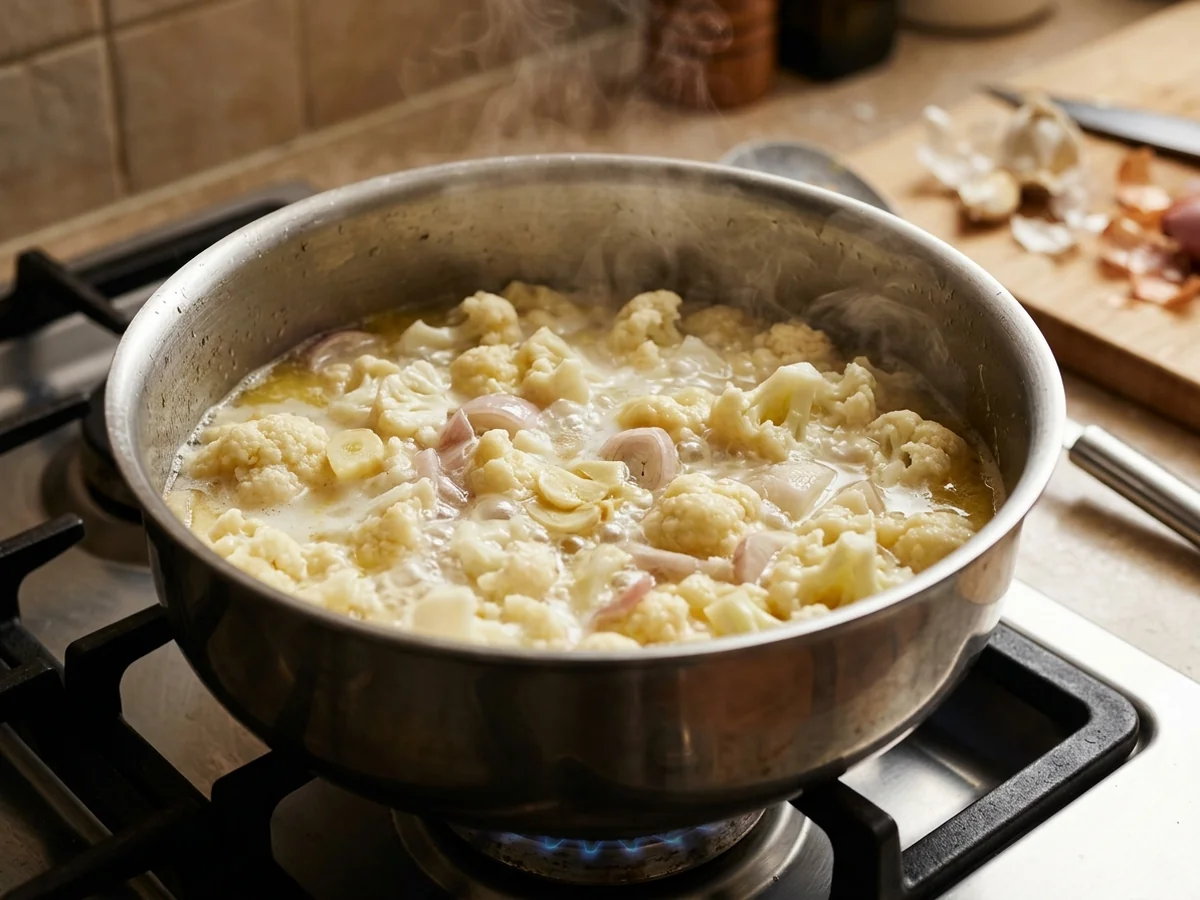
Creating a velvety vegetable base for a healthy fish and vegetable dinner begins with simmering cauliflower florets with shallots and garlic in chicken stock until tender. This foundational cooking method infuses the vegetable with savory depth before it ever reaches the blending stage, creating a base that complements the rich umami flavor of a miso cod cauliflower puree combination. Home cooks aiming for a balanced meal often look for the best side dishes for miso cod to elevate a simple weeknight seafood main.
How to Achieve a Velvety Texture
Knowing how to make cauliflower puree smooth requires using either an immersion blender or a food processor working at high speed. Pureeing the mixture while it is still hot helps break down the fibrous vegetable material quickly and prevents graininess in the final dish. When working with large batches, a food processor provides the power needed to achieve a restaurant style consistency. Double cream plays a vital role by binding the starches and liquids together into a cohesive texture. Stirring in this dairy component adds a rich mouthfeel that balances the sweet and savory notes of the fish.
Adapting for Dietary Preferences
For home cooks seeking alternative preparations, a dairy free cauliflower puree recipe can be adapted using plant based fats, though double cream remains the traditional choice for binding starches effectively. This adjustment helps accommodate guests who avoid dairy without sacrificing the luxurious mouthfeel expected from a refined vegetable puree.
Avoiding Common Blending Mistakes
A common mistake when preparing this vegetable side is adding too much cooking liquid at once, which results in a watery consistency rather than a thick sauce. To avoid this, drain excess chicken stock from the cauliflower florets before blending, and add the liquid back gradually until the desired texture is reached. Another frequent error is blending the mixture after it has cooled, which makes breaking down the fibers difficult and leads to a grainy mouthfeel.
Dairy Free Miso Cod
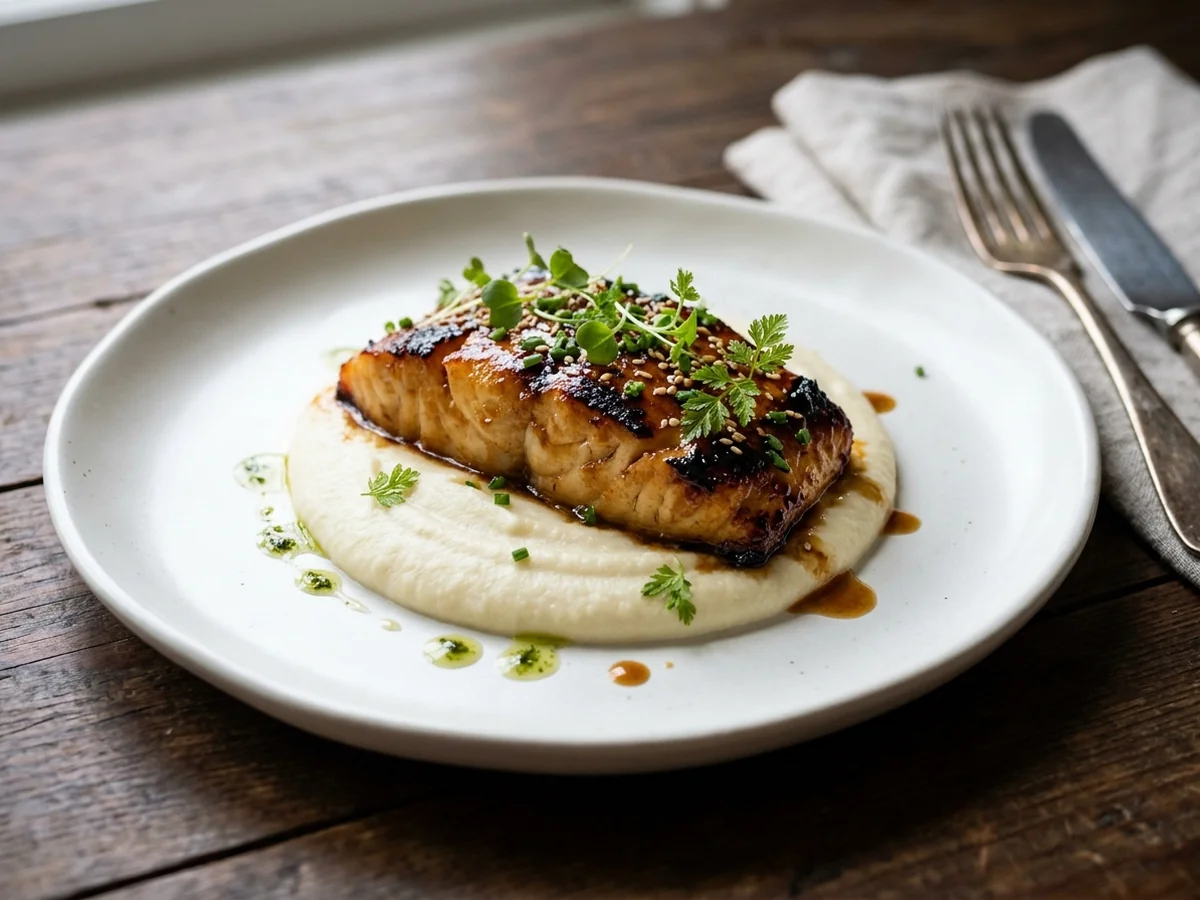
Preparing a refined weeknight dinner often involves adapting rich comfort food classics for specific dietary needs. Miso cod can be paired with cauliflower puree, a velvety vegetable side that traditionally relies on dairy for its creamy consistency. While double cream is typically an ingredient in the cauliflower puree, you can easily create a dairy free cauliflower puree recipe by swapping animal fats for plant based alternatives without losing that luxurious texture.
Adapting the Puree Base
The standard vegetable base usually combines cauliflower florets with shallots and garlic, then simmers them in chicken stock before blending. When removing dairy from the equation, you need to replicate the stabilizing fats found in heavy cream. Full fat coconut milk offers a rich alternative that introduces a subtle sweetness to balance the salty, savory notes of white miso paste. Alternatively, blending in a mild olive oil provides a silky finish with a lighter profile, allowing the natural flavors of the vegetables to shine.
Achieving the Ideal Consistency
A common mistake when modifying vegetable purees is adding too much liquid at once, which results in a watery mixture that fails to cling to the plate. To master how to make cauliflower puree smooth using dairy free ingredients, add your chosen liquid gradually while using an immersion blender or food processor. This technique allows you to control the thickness precisely and guarantees a smooth mouthfeel that complements the tender fish and enhances your healthy fish and vegetable dinner ideas.
Miso Cod Mistakes
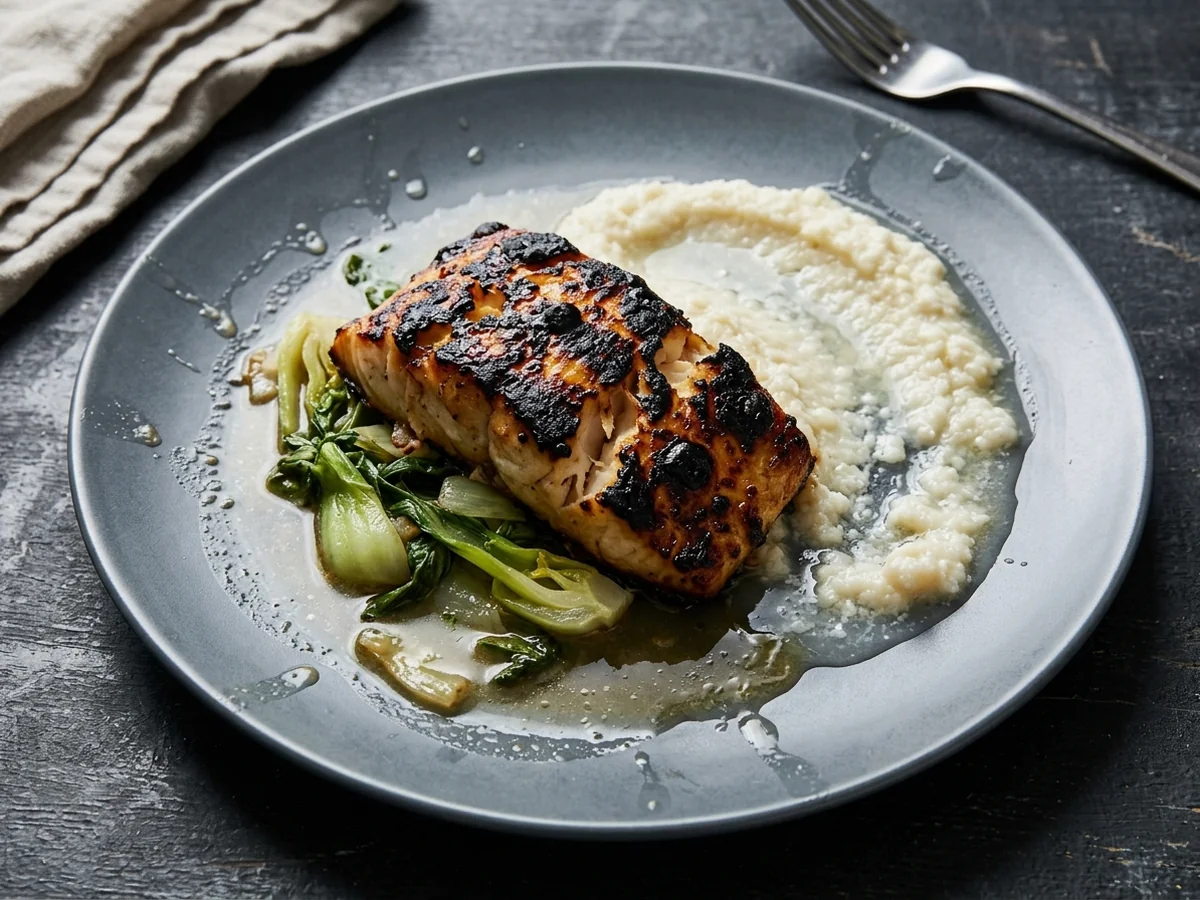
Preparing a seafood dinner featuring rich sablefish paired with a vegetable side dish requires careful attention to detail. Home cooks often encounter trouble because small missteps in heat control, vegetable preparation, or liquid ratios can ruin the final texture and flavor of the meal. Understanding why these errors happen helps you achieve restaurant quality results every time.
One frequent mistake involves how the vegetable base is handled during cooking. Guidance often points toward using cauliflower florets as a smooth side dish, but overcooking them breaks down cell walls and traps too much water. This leads to a watery puree rather than a velvety texture. Another common issue is failing to strain excess chicken stock before blending the ingredients. Taking time to control moisture levels ensures the final dish stays thick and rich instead of runny.
Flavor balance also plays a major role when planning a well-matched fish and vegetable pairing. When preparing the puree base, shallots and garlic are typically used to build depth, but they must be sautéed gently. Letting them brown introduces a harsh, bitter taste that transfers directly into the smooth vegetable mixture. Similarly, adding double cream requires precision. Measuring it carefully ensures the puree retains its luxurious mouthfeel without becoming overly heavy or greasy.
On the protein side, managing the cooking environment is critical. Common guidance indicates that the proper oven temperature for miso cod is 200 degrees Celsius, but watching the fish closely is essential. Because white miso paste and mirin contain natural sugars in the glaze, high heat causes the exterior to burn very easily before the inside flakes apart tenderly. Keeping a close eye on the baking process prevents the seafood from drying out or scorching.
- Avoid overcooking the cauliflower florets because excessive heat breaks down plant cell walls and leads to a watery puree.
- Strain any excess chicken stock before blending the vegetable base so the final side dish stays thick and velvety rather than runny.
- Watch the fish closely under the broiler or in the oven since the sugar content in the sweet umami glaze causes it to burn very easily.
- Measure the double cream carefully to ensure the vegetable blend retains its richness without becoming overly heavy or greasy.
- Sauté the shallots and garlic gently without letting them brown, which prevents a bitter taste from transferring into the smooth vegetable mixture.
- Control the oven temperature carefully so the delicate sablefish flakes apart tenderly instead of drying out during the baking process.
Storing Miso Cod Puree

Leftover portions of your miso cod cauliflower puree require careful handling to maintain their quality for later meals. Storing the components incorrectly can alter the delicate texture and affect the rich umami flavor profile that makes this healthy fish and vegetable dinner idea so appealing. For the best results, keep the cooked Sablefish and the vegetable base in separate airtight containers inside the refrigerator.
Separating the components prevents the tender fish from absorbing excess moisture released by the vegetable base as it sits. It also stops strong aromas from affecting other items in your refrigerator. Properly sealed and stored, both components will stay fresh for up to two days. When you are ready to enjoy your meal prep containers later in the week, gentle reheating methods are essential.
A common mistake when reheating seafood is using high heat, which can quickly dry out the fish and make it rubbery. To reheat the Sablefish, place it in a covered skillet over low heat with a splash of water, or warm it gently in an oven set to typical baking temperatures around 200 degrees Celsius. Alternatively, use short bursts at medium power in the microwave.
The vegetable base often thickens significantly after chilling in the refrigerator due to ingredients like double cream. If the puree becomes too thick, transfer it to a saucepan and warm it gently on the stovetop with a splash of extra chicken stock, stirring frequently until smooth. Avoid using high microwave power for the vegetable base as well, opting instead for medium settings and frequent stirring to heat everything evenly without scorching.
Alternative Puree Pairings
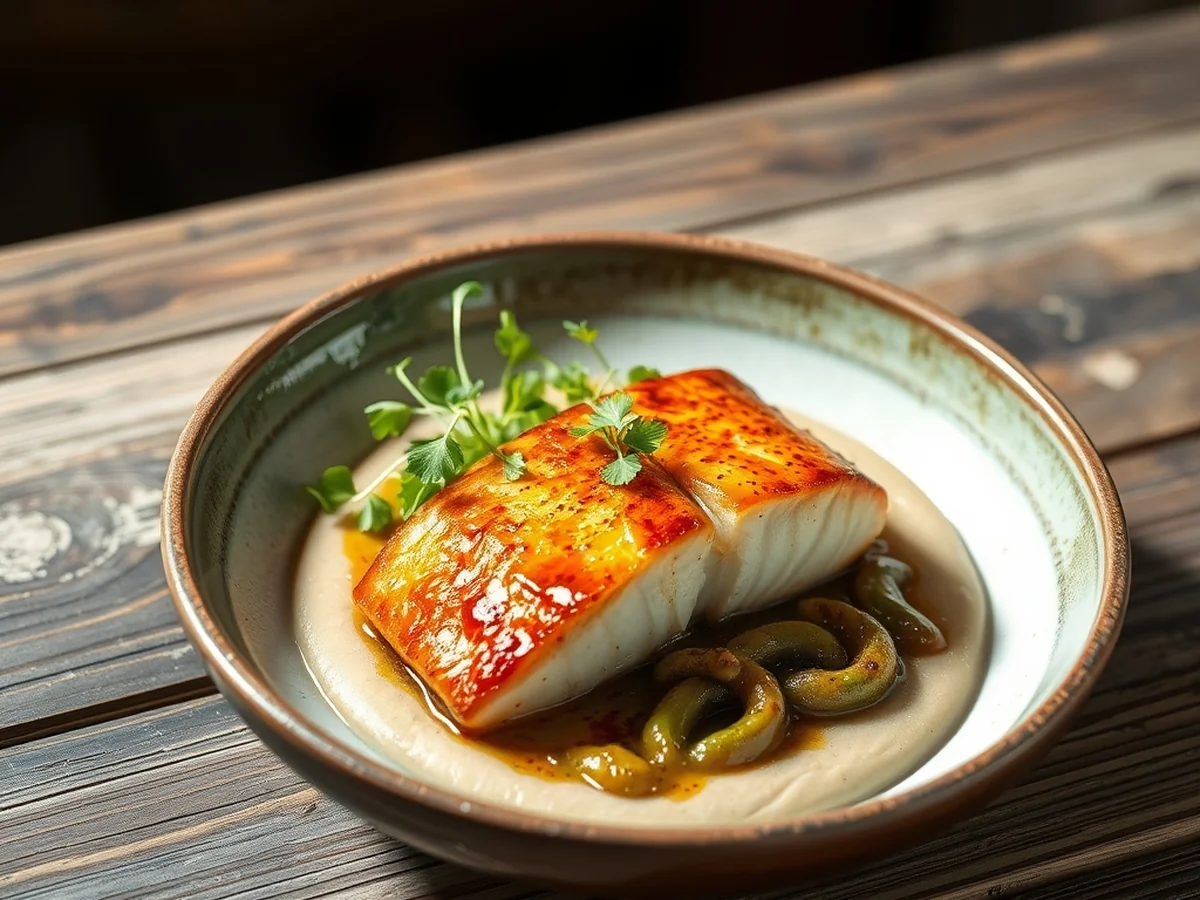
Cauliflower puree serves as a natural choice for miso-based seafood because its mild, buttery flavor and velvet texture balance rich umami profiles. Common kitchen practices often pair the savory sweetness of glazed sablefish with this vegetable base, as it absorbs deep flavors without overpowering the main protein. When searching for nutritious meals featuring fish and vegetables, home cooks frequently select this combination to elevate a standard weeknight meal into a restaurant quality experience.
Achieving the best side dishes for miso cod involves careful attention to the aromatics and liquids used during preparation. Standard culinary methods indicate that shallots and garlic typically form the aromatic base for the puree, while chicken stock and double cream provide richness. To ensure the final dish meets your expectations, several practical steps and common mistakes require careful attention in the kitchen.
Practical Steps for Preparation
Creating a velvety base starts with steaming or boiling cauliflower florets until they are completely tender. Draining the excess moisture thoroughly prevents a watery consistency. When blending the mixture, using a food processor or an immersion blender helps achieve a smooth finish. If you want to achieve a silky texture without lumps, processing the hot vegetable immediately with warm fats yields the best emulsion.
Common Mistakes to Avoid
One frequent error is adding too much liquid at once, which ruins the thick texture needed to support white miso paste and glazed fish. Another misstep involves skipping the aromatic foundation. Omitting shallots and garlic diminishes the depth required to match the intense flavors of mirin and fish. For those preparing a plant-based version without animal products, substituting heavy cream with vegetable-based alternatives works well, provided the fat content remains high enough to maintain a creamy mouthfeel.
Other vegetable sides that complement umami flavors include steamed bok choy, roasted asparagus, and sesame-dressed green beans. These green alternatives add vibrant color and earthy notes to the plate, creating a balanced meal for busy weeknights.
FAQ
How do you prepare miso cod and cauliflower puree?
Cooking miso cod and cauliflower puree typically involves baking the fish in an oven set to 200 degrees Celsius while simultaneously simmering cauliflower florets in a seasoned base. Common guidance suggests pairing the baked sablefish with a smooth vegetable blend made by processing the cooked florets with shallots, garlic, and chicken stock.
What ingredients are needed for this dish?
Making a restaurant style dinner requires fresh fish fillets alongside white miso paste and mirin for the marinade. The accompanying vegetable side commonly incorporates shallots, garlic, chicken stock, and double cream to achieve a rich texture that complements the strong umami flavor of the seafood.
Can you make this vegetable puree without dairy products?
Preparing this vegetable puree without any dairy is entirely possible by substituting heavy cream with plant based alternatives or olive oil. Cooks often use vegetable stock instead of chicken stock to keep the entire dish completely plant based while retaining a creamy consistency.
What temperature should you use for baking the fish?
Setting the oven to 200 degrees Celsius is typical practice for roasting miso cod to achieve caramelized edges while keeping the interior flaky. This high heat helps the glaze bubble and brown quickly without drying out the delicate white fish.
How do you achieve a smooth texture in the vegetable base?
Using an immersion blender or a food processor is essential for breaking down cauliflower florets into a velvety cream. Blending the vegetables while they are still hot with shallots, garlic, and double cream ensures there are no lingering lumps in your finished side dish.
Conclusion
Deciding to cook this meal comes down to balancing sweet and savory flavors for a quick weeknight dinner. Common guidance suggests that pairing a protein with a vegetable base creates a satisfying plate without heavy preparation. Gather your fresh ingredients, set your oven properly, and try making miso cod cauliflower puree tonight to elevate your regular routine.
You might also like: Cheesy Broccoli Casserole Recipe