Lasagna Stuffed Pasta Shells Recipe
Introduction
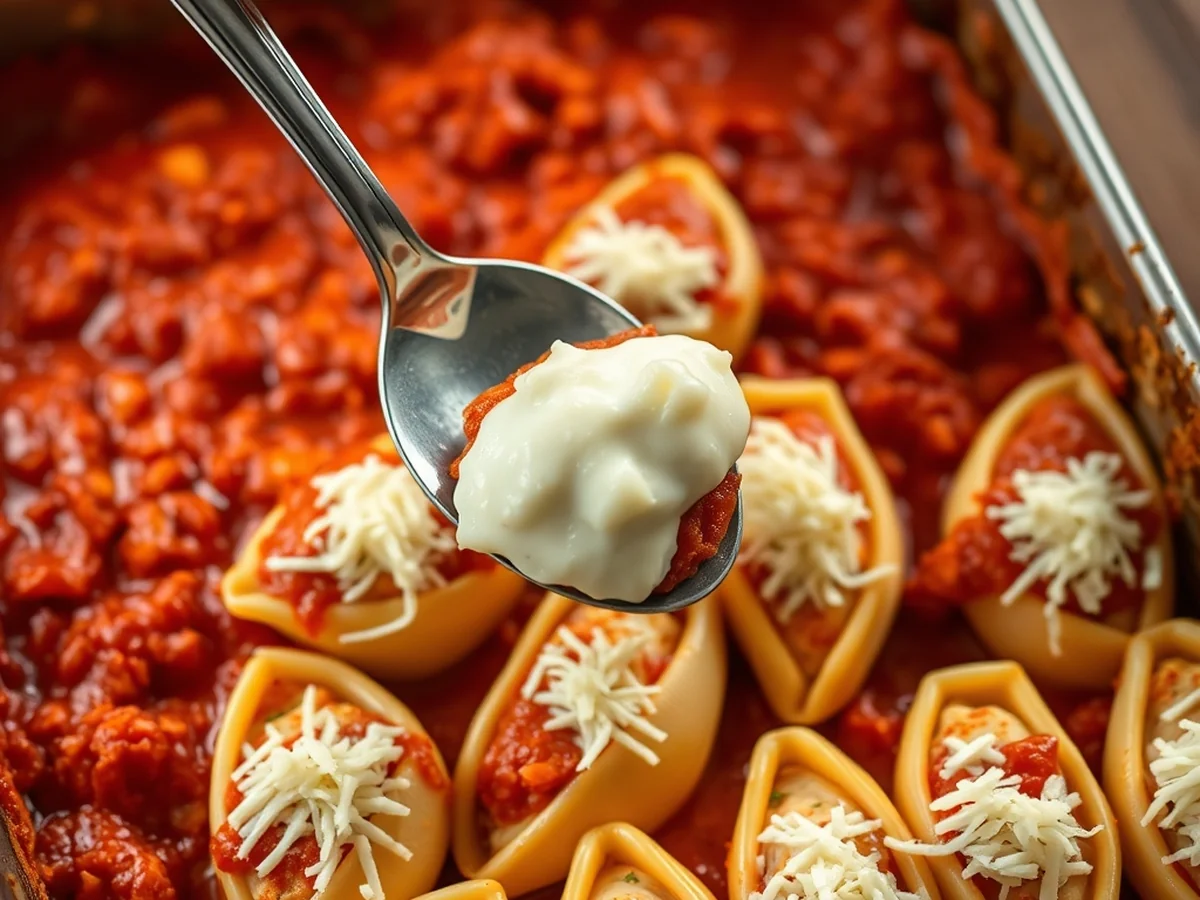
You can prepare lasagna stuffed pasta shells by filling cooked pasta with a rich cheese blend and baking it in a savory meat sauce. This comforting dish captures all the classic flavors of a traditional lasagna in convenient individual servings.
This guide covers everything you need to assemble and bake this hearty meal, including tips for getting the perfect texture. You will learn how to prepare the filling, manage your boiling times so the pasta remains al dente, and achieve bubbly, melted cheese on top. The following sections detail how to combine ricotta cheese with essential binders like eggs and herbs, how to incorporate browned meat for added protein, and the best methods for storage if you want to prepare this dinner in advance. Whether you are looking for a quick weeknight solution or a satisfying family meal, these instructions ensure your results are consistent and delicious every time.
Why Individual Pasta Portions Simplify Dinner
These single-serve pasta portions deliver the classic flavors of a traditional layered meal while offering a more manageable, high-protein solution for hectic evenings. By pre-portioning the ingredients into individual vessels, you eliminate the need to slice and serve from a large, messy pan. This format is perfect for families or meal preppers who want a hearty, protein-rich dinner that arrives on the table with less effort and fewer logistics to coordinate.
The appeal of this approach lies in its inherent efficiency and portion control. Because each unit is self-contained, these servings are easy to plate and serve, making them an ideal choice for busy weeknight dinners when time is tight. You get all the comfort of a slow-baked dish without the extended wait times usually associated with assembling and cutting multiple layers.
The versatility of this meal is another major benefit for home cooks. You can easily adapt the filling to suit your nutritional needs or use ingredients you already have in your pantry:
- Incorporate ground meat to boost the protein content significantly.
- Swap traditional ricotta cheese for cottage cheese if you prefer a different texture or have it on hand.
- Mix in fresh herbs or vegetables like spinach to add extra nutrients to the cheese base.
- Prepare the individual units ahead of time and store them, allowing you to simply heat and serve them when your schedule is at its busiest.
Because each piece is distinct, these meals reheat evenly and maintain their structure better than layered pasta dishes. Whether you are cooking for a crowd or managing your own weekly meal prep, this method provides a reliable way to enjoy a satisfying, protein-forward meal that stays consistent and delicious every single time.
Ingredients for Stuffed Shells
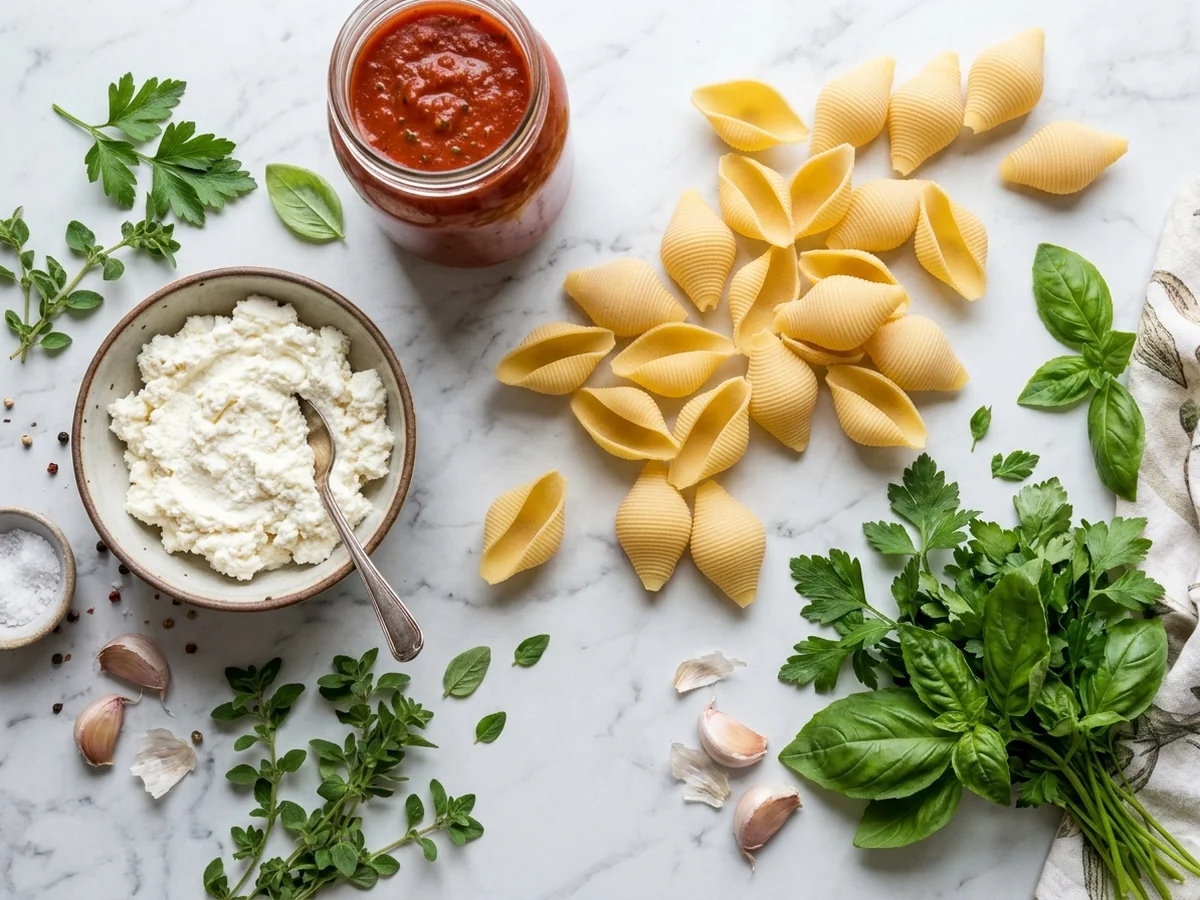
Creating this comfort meal requires a combination of hearty pasta, a protein-rich base, and a flavorful cheese blend. You will need to gather several pantry and fresh items to prepare these shells effectively.
- Large pasta shells serve as the vessel for your filling and are typically cooked until al dente before assembly to ensure they hold their shape.
- Ground beef is a popular protein choice that adds substance, though it is standard practice to brown the meat thoroughly in a skillet before incorporating it into your sauce.
- Ricotta cheese acts as the primary component of the creamy filling, providing the classic texture expected in this type of dish.
- Cottage cheese can be used as an alternative or substitute for ricotta in the filling mixture if you prefer a different texture or have it on hand.
- Eggs are frequently included in the cheese mixture to serve as a binder, which helps the filling set properly while the dish bakes.
- Freshly chopped parsley and Italian seasoning are common additions used to enhance the flavor profile of the cheese mixture.
When selecting your components, keep in mind that the quality of your base ingredients often dictates the final flavor. Because this dish relies on the marriage of savory meat and creamy cheese, opting for quality marinara sauce and fresh herbs can elevate the result. If you are preparing these for a busy weeknight, you can assemble the components ahead of time and store them until you are ready to bake. Remember that the baking time typically ranges between 25 and 40 minutes depending on the specific recipe you follow, so monitor the dish as it nears the end of the cooking process to ensure the cheese becomes bubbly and golden without overcooking the pasta.
Perfecting the Shells
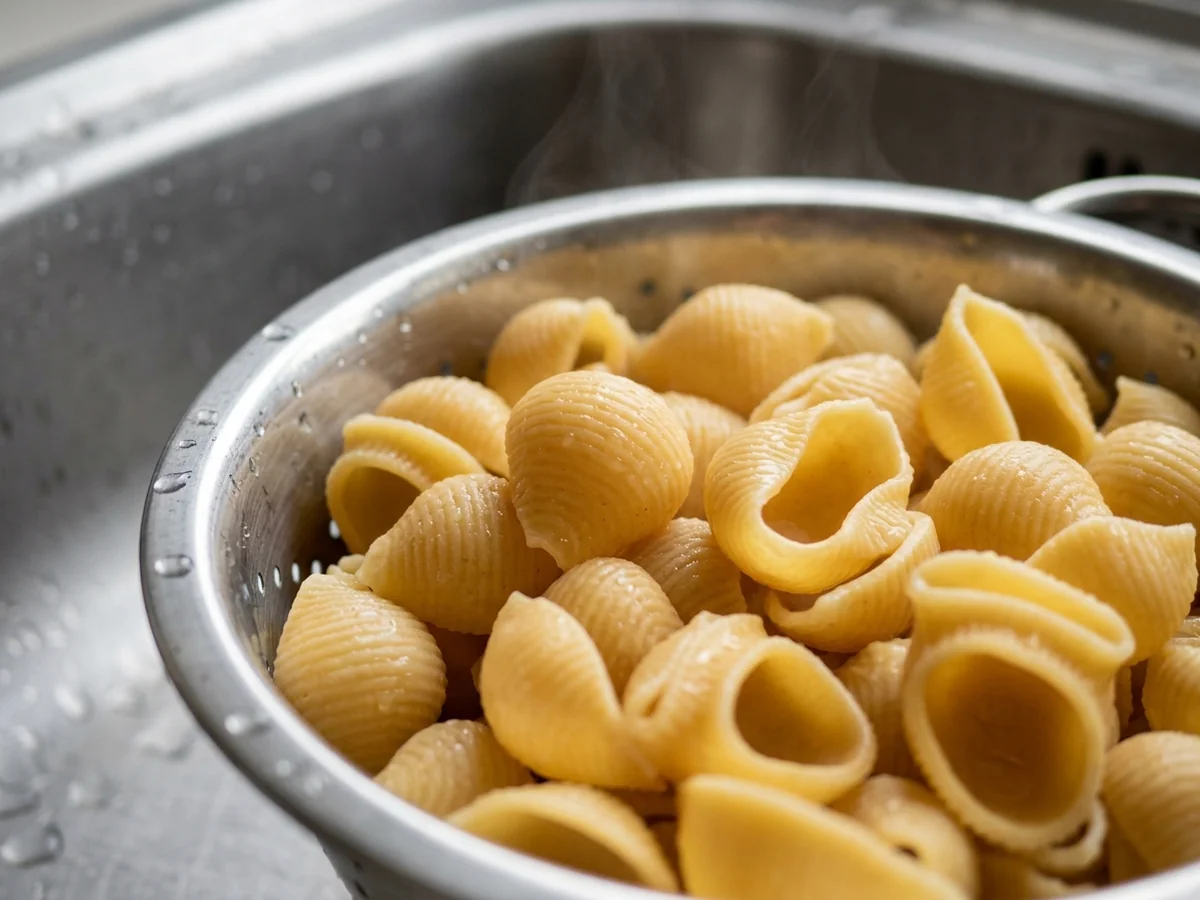
To ensure your lasagna stuffed pasta shells hold their structure during assembly, it is common guidance to cook the pasta until it reaches an al dente texture. Boiling the shells just past the point of firmness is a mistake, as overly soft pasta often collapses or tears while you are packing in the cheese or meat mixture. Always check the package instructions for the recommended cooking time, but test a shell a minute or two early to ensure it still has a slight bite.
Managing the Cooling Process
Once the pasta reaches the correct texture, drain it immediately and rinse it briefly under cool water. This step is essential to halt the cooking process, preventing the shells from becoming mushy. Cooling the pasta also makes it significantly easier to handle with your fingers without the risk of burns. By keeping the edges firm, you ensure that each shell remains sturdy enough to be stuffed with your preferred ricotta cheese or cottage cheese filling.
Preventing Sticking and Tearing
One of the most common frustrations when preparing an easy stuffed pasta shells recipe is dealing with pasta that has clumped together. To prevent this, you can lightly toss the drained shells with a small amount of olive oil to create a protective barrier. Alternatively, spread the cooked shells in a single layer on a parchment-lined baking sheet or a flat tray. Keeping the shells separated until you are ready to assemble ensures they do not tear, which allows for a smooth, stress-free experience when you begin adding your filling. If you are preparing a larger batch of jumbo pasta shells with meat sauce, this staging method is particularly helpful to keep your workspace organized and efficient.
| Action | Benefit |
|---|---|
| Cook to Al Dente | Prevents mushy texture and maintains structural integrity. |
| Rinse with Cool Water | Stops the cooking process and makes handling easier. |
| Single Layer Storage | Avoids sticking and tearing during the filling phase. |
Assembling Your Dish
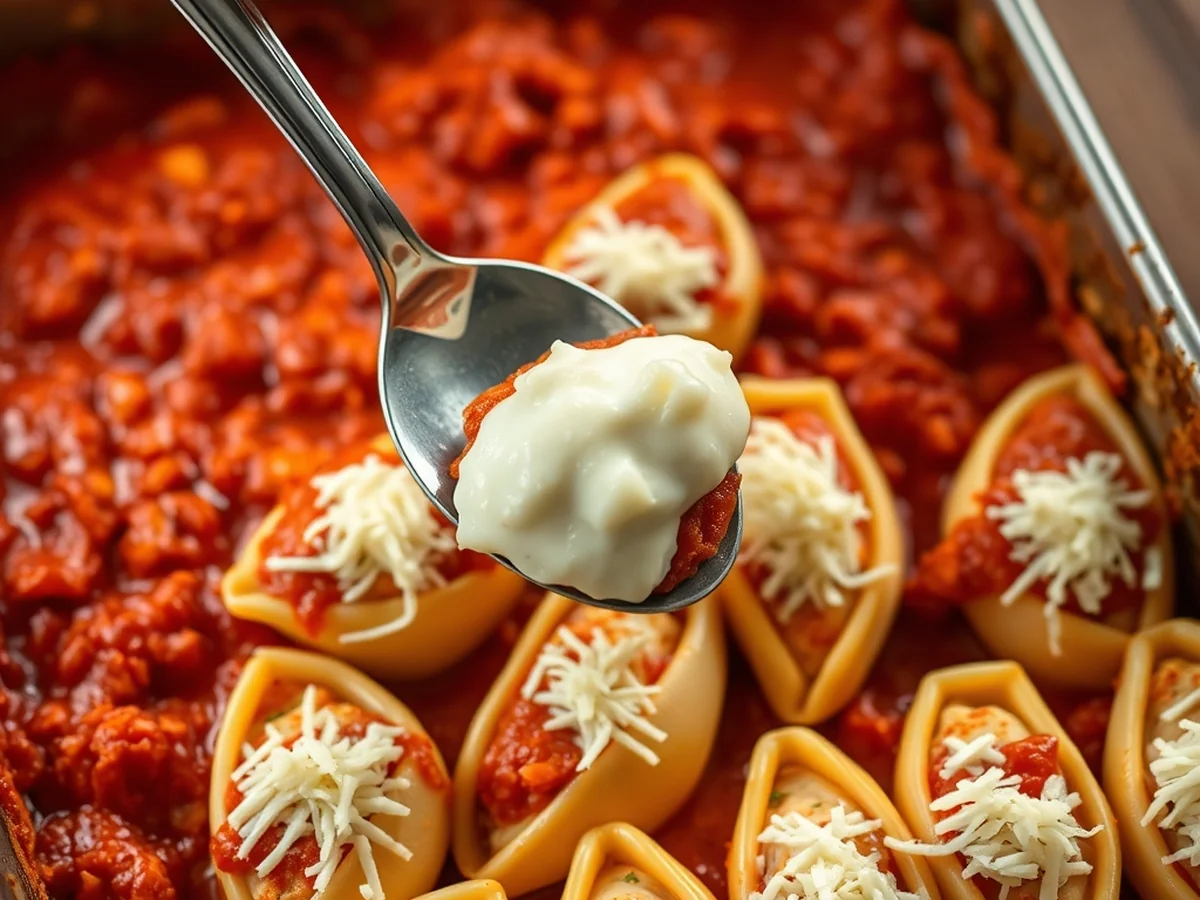
You can create a cohesive meal by carefully layering your sauce and ensuring your cheese filling has enough structure to hold its shape inside the pasta. Building the dish in the right order prevents the shells from drying out and keeps the flavors balanced throughout every serving of lasagna stuffed pasta shells.
Following a logical assembly process helps you achieve a perfect bake every time.
- Begin by browning your ground meat in a skillet until fully cooked, then drain any excess fat before stirring it into your marinara sauce to create a hearty base.
- Spread a thin layer of this meat sauce across the bottom of your baking dish to keep the pasta hydrated and prevent sticking.
- Mix your ricotta cheese with an egg to act as a binder, which ensures the filling remains stable once baked.
- Incorporate common additions like freshly chopped parsley or Italian seasoning into your cheese mixture for extra flavor.
- Fill each cooked pasta shell generously with the cheese mixture and place them neatly into the prepared baking dish.
- Top the shells with any remaining sauce and shredded mozzarella cheese before covering the dish with foil to retain moisture.
Common guidance suggests baking your dish at 375 degrees F for optimal results. If you prefer to experiment with the filling, remember that cottage cheese can be used as an alternative or substitute for ricotta in stuffed shell fillings. Once assembled and covered, the baking time typically ranges between 25 and 40 minutes. You want to aim for a result where the cheese is melted and the sauce is bubbling. This method ensures that even when using jumbo pasta shells with meat sauce, every component stays perfectly integrated and tender from the first bite to the last.
Baking Guidelines
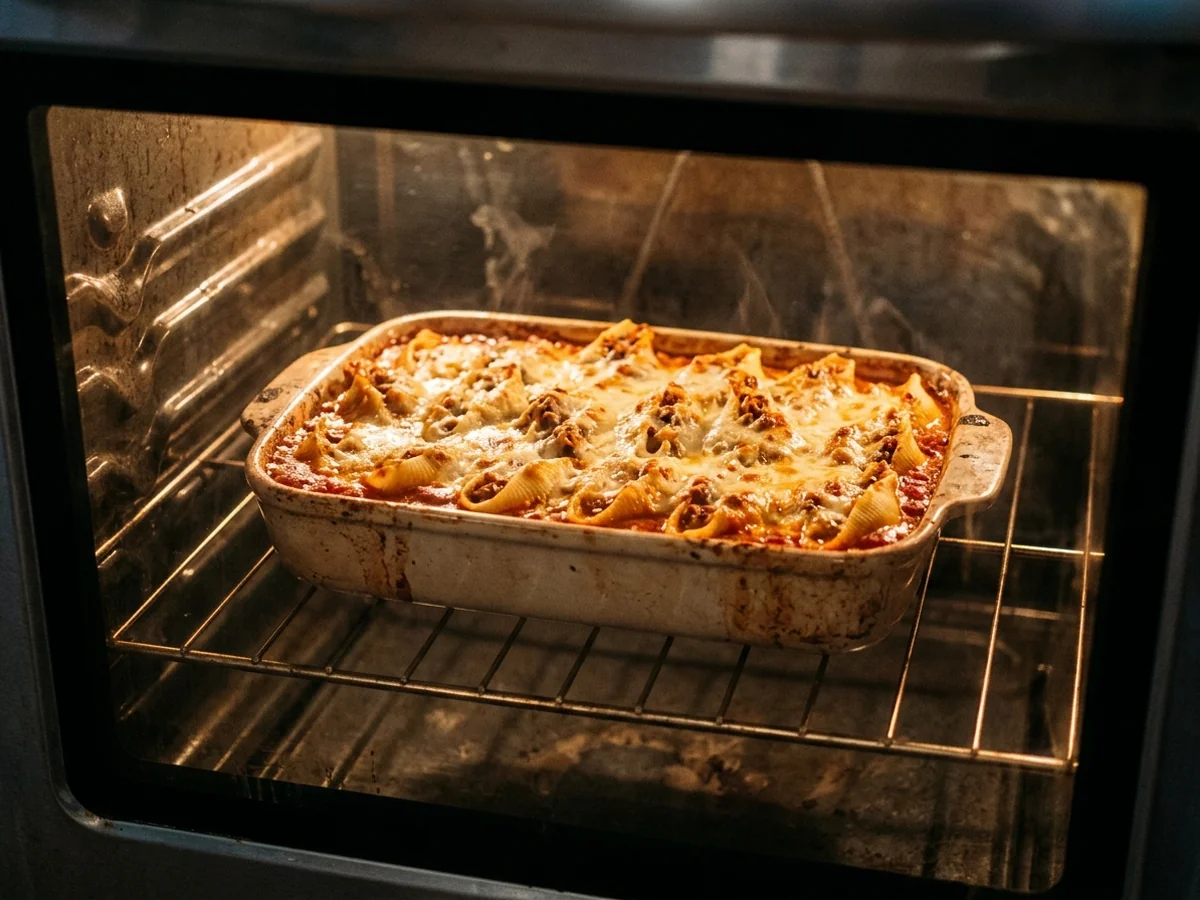
When preparing lasagna stuffed pasta shells, precise oven management ensures the filling heats through while the exterior remains tender. According to research from the University of Idaho, baking time typically ranges between 25 and 40 minutes depending on the specific recipe. Most home cooks rely on a standard oven temperature of 375 degrees F to achieve balanced results.
Mastering Moisture and Texture
A common technique to ensure success is covering your baking dish with foil during the initial phase of cooking. This practice helps trap steam, which prevents the pasta shells from hardening and keeps the ricotta cheese filling from drying out. If you prefer a golden, slightly crispy top, remove the foil during the final 10 minutes of the process. For those using a meat-based sauce, such as one with ground beef, ensure the sauce is bubbling throughout the dish, which indicates that the center has reached a safe temperature.
Preparation Tips for Better Results
To avoid common pitfalls, consider these practices during your assembly:
- Cook your pasta until it is al dente before stuffing, as it will continue to soften significantly while baking in the oven.
- Use eggs in your cheese mixture, as they act as a binder to keep the filling from becoming runny.
- If you find yourself without ricotta, cottage cheese serves as a verified alternative that provides a similar texture and flavor profile.
- Incorporate chopped parsley or Italian seasoning into your filling to elevate the overall taste of the dish.
Managing Your Time
If you are planning a busy weeknight, you can prepare the dish ahead of time. Simply assemble the shells in the baking dish, cover them, and refrigerate until you are ready to bake. Keep in mind that cold ingredients will require the longer end of the 25 to 40 minute baking range. Always monitor the center of the dish closely, as oven heat distribution can vary between appliances.
Common Stuffed Shells Mistakes
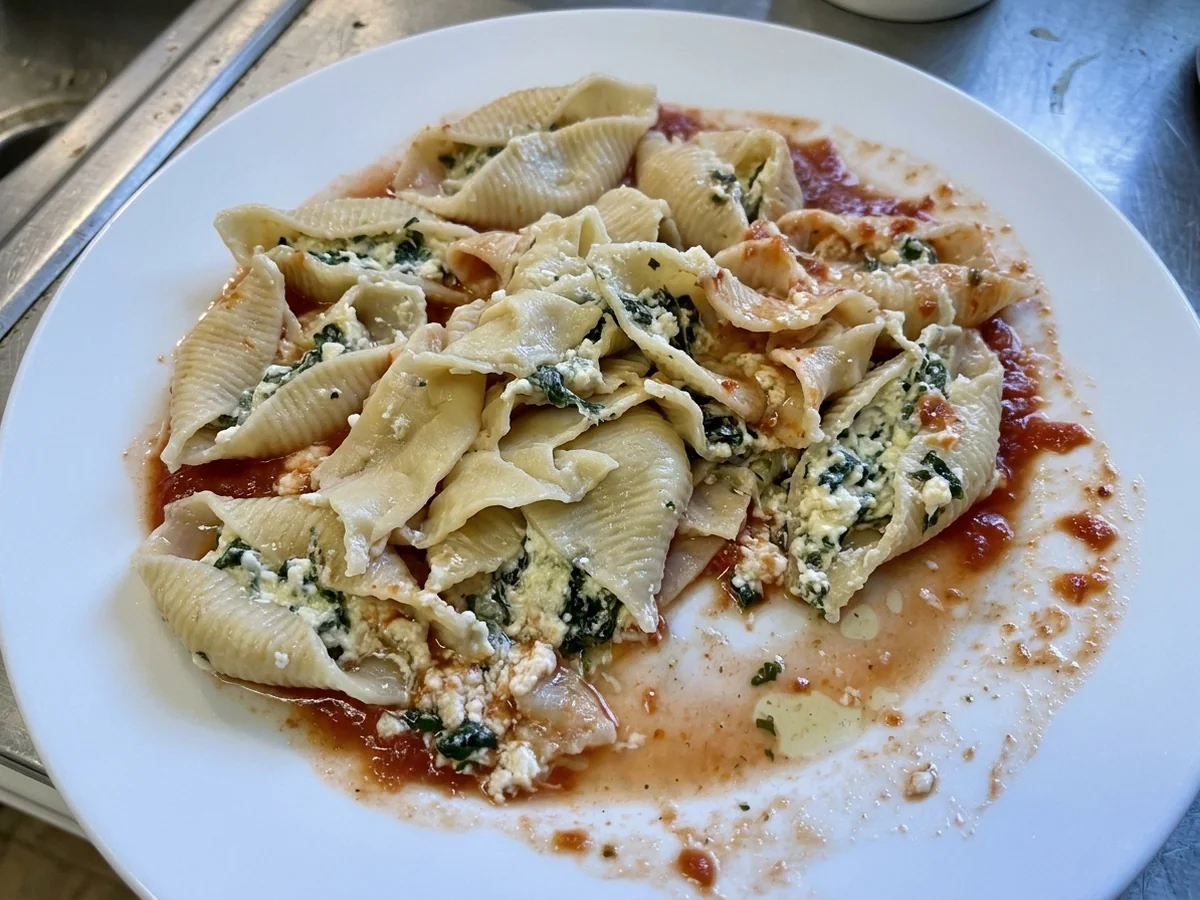
Achieving the perfect texture and flavor in your pasta dish requires attention to detail during the preparation and baking stages. Avoiding these frequent errors will help you serve a consistent, high-quality meal every time.
- Overcooking your pasta leads to shells that become too soft and fragile to hold their shape during the stuffing process. It is common guidance to cook the pasta until it reaches an al dente texture to maintain structural integrity.
- Skipping the binder in your cheese mixture often results in a filling that lacks consistency and becomes runny once heated. Using eggs within the ricotta or cottage cheese blend is common guidance to ensure the filling stays inside the shells while they bake.
- Failing to cover your baking dish with foil allows the edges of the pasta to dry out and become tough in the oven. It is common guidance to use a cover to trap moisture, which helps the dish cook evenly without sacrificing the texture of the outer shells.
- Crowding too many shells into a single baking dish can prevent the sauce and cheese from distributing evenly around each piece. Using a dish that allows for a single, comfortable layer ensures that each shell cooks consistently.
- Rushing the assembly process by overstuffing each piece often leads to broken pasta or filling that leaks out into the sauce. Filling each shell just to the top edge helps maintain the presentation and keeps the ingredients contained.
Storage and Meal Prep
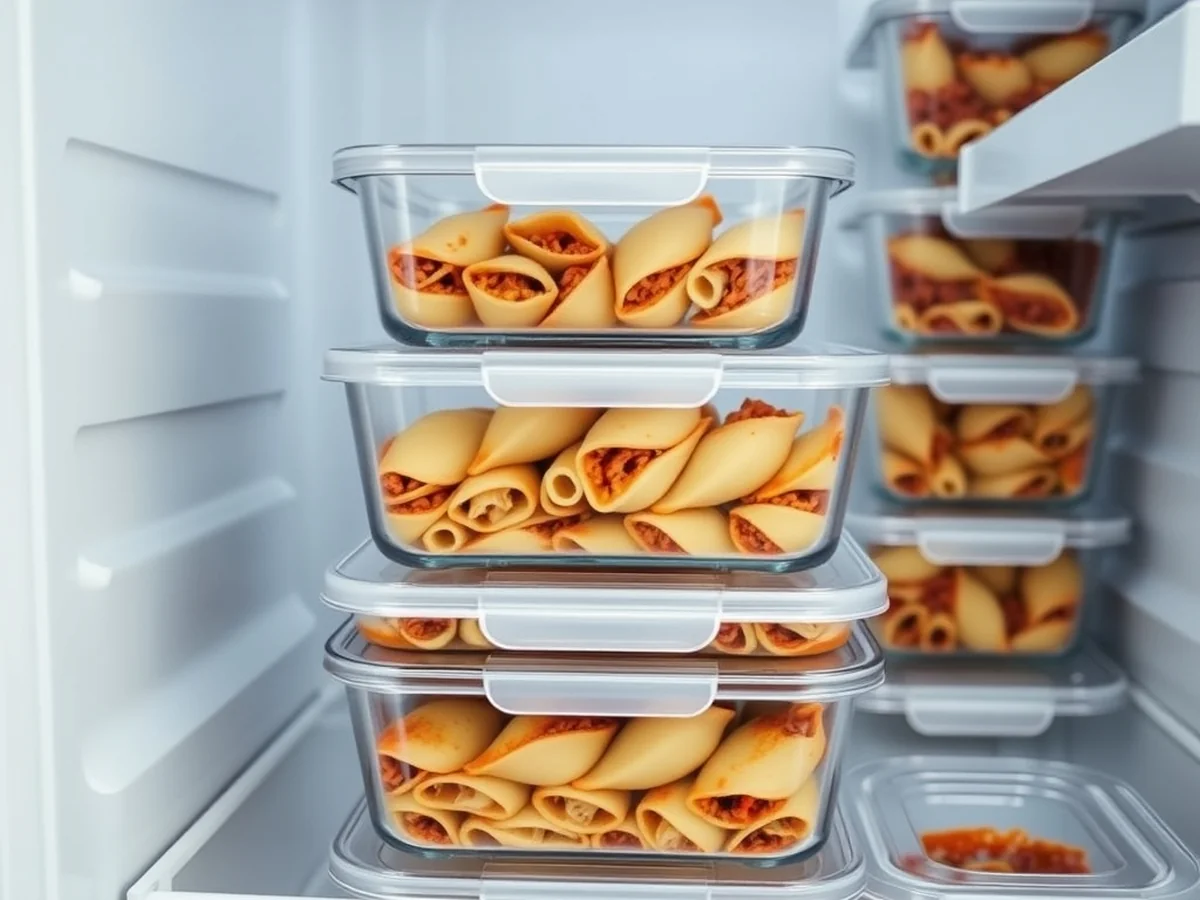
Proper storage ensures your lasagna stuffed pasta shells remain safe and delicious for future meals. Whether you are prepping for a busy week or saving leftovers, keeping your pasta at the right temperature is essential for maintaining both texture and food safety.
| Storage Method | Duration | Best Practice |
|---|---|---|
| Refrigeration | 3 to 4 days | Use airtight containers |
| Freezing | Up to 3 months | Wrap tightly in foil |
| Reheating | Until hot | Cover to retain moisture |
Freezing for Later
If you want to save time during the week, you can assemble your pasta shells ahead of time without baking them first. Place the stuffed shells into a freezer-safe container. To protect the pasta from freezer burn, wrap the container securely in multiple layers of plastic wrap and aluminum foil. When you are ready to eat, thaw the meal overnight in the refrigerator. This allows for a smoother transition to the oven, where they typically bake for 25 to 40 minutes depending on your specific recipe. Always ensure the cheese is bubbly and the dish is heated throughout before serving.
Reheating Tips
When you are ready to enjoy refrigerated leftovers, you can use an oven or microwave. If using the oven, keep the baking dish covered with foil to prevent the edges from drying out or becoming overly crispy. Because ricotta cheese is a primary component of the filling, repeated reheating cycles can degrade the quality of the texture. To restore moisture, consider adding a small splash of marinara sauce to the dish before warming. If you prefer to use cottage cheese as a substitute for ricotta in your filling, the same storage and reheating guidelines apply.
Avoiding Common Pitfalls
A frequent challenge when working with pasta shells is preventing the shells from tearing during the stuffing process. It is common guidance to cook your pasta shells al dente before stuffing, as overcooked shells become fragile and difficult to handle. If you find your shells are sticking together after boiling, lightly toss them with a small amount of oil before assembly. Following these steps helps keep the integrity of your meal intact for a convenient and high-protein dinner.
FAQ
What temperature should I bake lasagna stuffed pasta shells?
Typical practice for baking these shells is to set your oven to 375 degrees F. This temperature helps the cheese melt evenly while heating the sauce through without burning the pasta.
How do I prevent the pasta shells from sticking together after boiling?
Common guidance suggests draining the shells and laying them out in a single layer on a parchment-lined baking sheet to keep them separate. Tossing them with a small amount of oil can also help prevent them from clinging to one another while you prepare the filling.
Can I make lasagna stuffed pasta shells ahead of time?
You can certainly assemble the dish in advance and store it in the refrigerator before baking. If you are preparing it ahead of time, consider keeping the sauce separate until you are ready to bake to prevent the pasta from becoming overly soft.
How long should I bake the shells to ensure the cheese is bubbly?
Baking time typically ranges between 25 and 40 minutes depending on the specific recipe. It is common practice to cover the baking dish with foil for the first portion of the time to keep the shells moist, then remove it at the end to brown the cheese.
What can I use if I do not have ricotta cheese?
Cottage cheese is a suitable alternative or substitute for ricotta in stuffed shell fillings. While the texture may vary slightly, it provides a similar creamy consistency that holds up well during the baking process.
Is it necessary to brown the meat before stuffing the shells?
Browning meat before adding it to the sauce is a standard preparation step for stuffed shells with meat sauce. This ensures the meat is fully cooked and allows you to drain excess fat before combining it with your marinara sauce.
Conclusion
The main decision point when preparing this dish is deciding whether to serve it immediately or freeze portions for later. If you are planning ahead, you can assemble the lasagna stuffed pasta shells and store them unbaked, though remember that baking time typically ranges between 25 and 40 minutes once you are ready to heat them. To ensure the best texture, always check that the center is heated through and the cheese is bubbly before removing the dish from the oven.
Sources: content-hub.uidaho.edu, cs.fit.edu
You might also like: Cheesy Broccoli Casserole Recipe